BLOG

THE PURPOSE MYTH

There is a quiet ache moving beneath the surface of many lives.

People work hard, build careers, care for others, fulfill obligations, and keep going. From the outside, their lives may seem full, responsible, even successful. Yet inwardly, many carry a private sense that something essential is missing or misplaced. They feel it as restlessness, flatness, and the faint sorrow of living slightly removed from themselves.

Often, what is missing is not productivity, nor discipline, nor even love: It is purpose.

For many, the search for purpose has been made harder by a myth.

We have been taught to believe that purpose is a single thing: one destiny, one role, one perfect expression, one dazzling revelation that arrives suddenly and makes the whole of life clear. The myth says that if you are fortunate, purpose will announce itself unmistakably, and then everything will fall into place.

But for most people, that is not how life works, nor is it how purpose works.

Purpose is rarely a single moment of discovery. More often, it unfolds. It takes shape through seasons, choices, losses, fascinations, efforts, mistakes, and longings, and the steady pull toward what continues to matter. It reveals itself not in a single dramatic instant but over time, as life is lived.

You do not usually find your purpose all at once. You find it by living. Purpose is a journey, not a singular discovery.

Purpose Often Appears in Ordinary Places

One reason people miss their purpose is that they expect it to look extraordinary from the outside. They imagine it must arrive in a form that is obvious, impressive, or easily named.

But purpose is often quieter than that.

It can be found in the work you feel drawn to, in the subjects that hold your attention, the questions that follow you over the years, the people you help, the causes that stir your conscience, the beauty that nourishes you, and the way you instinctively show up when someone needs what only you can offer.

A job may express your purpose beautifully, partly, or hardly at all. Still, you are not cut off from purpose. Purpose is not limited to your title, profession, or one form. It can be expressed through paid work, unpaid devotion, creative practice, friendship, teaching, study, advocacy, caregiving, mentorship, or private acts of faithfulness that no one else fully sees.

This is one reason I work with several frameworks that illuminate purpose from different angles.

In the Michael Teachings, each soul enters life with a Life Task: a deeper pattern of learning and contribution chosen before incarnation. What is so freeing about this is that the Life Task is not a job description or a résumé line. It is an essence, a recurring quality of participation that may take many forms over a lifetime.

A person may live their Life Task as a parent, a writer, a healer, a teacher, an artist, a builder, a witness, or a quiet yet stabilizing presence in others’ lives. The outer form may change many times, but the deeper pattern remains. This is why purpose cannot be reduced to a single occupation. The soul is far too spacious for that.

The Michael Teachings also describe the evolution of consciousness through Soul Ages, each with its own relationship to purpose. Some souls are rightly concerned with achievement, mastery, recognition, and worldly success. That is not a flaw. It is part of their stage of development. Other souls, especially Mature and Old Souls, increasingly feel called to meaning, integrity, relationship, and inner truth. If you have ever felt out of step with a culture that equates success with visibility, money, or scale, it may simply be that your soul is oriented toward a different kind of fulfillment.

That does not make you deficient. It means you are listening for something deeper.

Human Design offers another profound lens. It does not begin by asking, “What should you become?” Instead, it asks, “Who are you beneath conditioning?” It reveals the structure of your energy, the gifts that remain consistent, the way your life force moves, the intelligence of your body, and the nature that existed before the world told you who you ought to be.

Your Type reveals something fundamental about how you are designed to engage with life. Your Strategy and Authority show how you are meant to make decisions that are right for you. Your Profile speaks to the role your purpose tends to take as it moves through the world.

When I read a Human Design chart, I am not trying to hand someone a slogan and call it their purpose. I am helping them recognize the shape of who they already are, so they can stop forcing a life that does not fit and begin trusting the deeper intelligence of their own design.

When Outer Success Pulls You Away From Yourself

Many people do not lose touch with purpose because they are lazy, shallow, or uncommitted. They lose touch with it because they become faithful to the wrong measures: Status. Approval. Survival. Financial pressure. Family expectation. Cultural definitions of what matters. The wish to appear successful. The fear of disappointing others. The fear, too, of seeming small.

These forces are powerful. Over time, they can pull a person far from their center.

We may become highly competent at work that does not nourish us. We may build lives that look admirable from the outside but feel curiously lifeless within. We may learn to perform value while slowly losing contact with what is genuinely valuable to us.

Astrology reveals this tension with striking clarity. The 10th house speaks to career, reputation, public life, and the structures we build in the visible world. These things matter. They are not meaningless. But when they dominate our entire lives, we can lose contact with the 4th house, the inner ground of being, the roots, the private self, the place within us that must feel at home if anything outward is to have meaning. A life cannot feel whole when the outer architecture has been built at the expense of the inner foundation.

I also pay close attention to the lunar nodes, especially the North Node, which indicates the soul’s evolutionary direction in this lifetime. The North Node often points toward what is unfamiliar, less practiced, and therefore less comfortable. It asks us to grow beyond our habitual identity and move toward the life that is ours, rather than remain enclosed within the life that is merely familiar.

This is one reason purpose can feel both right and unsettling. It does not always flatter the personality or support our old self-concepts. Sometimes it asks us to leave behind what is known, even what we are good at, to move toward what is more deeply true.

And sometimes the clearest sign that something is not yours is that you have made a sincere effort to care about it, yet your spirit still does not come alive there. Not every available path belongs to you.

Of course, real life is real life. Bills must be paid. Bodies have limits; circumstances constrain. Many people must take practical work rather than ideal work. Even then, purpose is not lost. It can still be cultivated. It can still be honored. It may begin at the edges of the day, in what you study after work, in the conversations you seek out, in the people you help, in the beauty you make room for, in the private commitments you keep, and in the part of yourself you refuse to abandon.

Purpose often begins quietly. It grows where it is met with honesty and room.

The Mistake of Thinking Purpose Must Look Important

One of the most damaging distortions in modern culture is the belief that purpose must be visible to be real, and it must also be impressive, lucrative, scalable, and applauded. This has caused a great deal of private suffering.

Many assume that if they have not become widely known, financially successful, or publicly established, they must not have found their purpose. But that is simply not true. For some souls, public achievement is part of the path. Some are meant to build visibly, lead prominently, or influence at scale. There is nothing wrong with that.

But many deeply meaningful lives are quieter.

Sometimes purpose looks like raising a child with an unusual presence and steadiness. Sometimes it looks like caring for the dying. Sometimes it looks like teaching in a small room for many years, writing words that reach only a few hundred people, tending animals, protecting beauty, preserving dignity, listening deeply, or becoming a trustworthy refuge in a world that has not given many people one. These lives may not always be celebrated publicly, but they are not small. They may be carrying exactly what the soul came here to carry.

Conventional success is one form of success, not the only one. It is certainly not the final measure of a life.

Follow What Gives You Life

So, where do you begin if you feel far from your purpose?

Begin with aliveness.

Not with performance.
Not with image.
Not with what sounds impressive when explained.
Begin with what gives you life.

What absorbs you so completely that time loosens its grip?
What restores you, even when it demands something of you?
What kind of effort leaves you tired yet inwardly nourished?
What themes, questions, or forms of beauty keep returning, no matter how many years pass?
Where do you feel genuine affection, energy, curiosity, devotion, or relief?

These things are not trivial. They are clues.

In the Michael Teachings, aliveness increases when Essence leads rather than the conditioned personality. In Human Design, life becomes more coherent when we follow Strategy and Authority rather than letting the mind override the body’s intelligence. In astrology, I often begin with the 5th house, the Sun, and other markers of joy and self-expression to understand what genuinely enlivens a person from the inside.

Different systems, same truth. Your life becomes more meaningful when you stop abandoning what is vital in you.

This does not mean every pleasure is your purpose, nor that purpose will always feel easy. Some callings ask a great deal of us. Some require discipline, patience, sacrifice, and a long apprenticeship. Even then, there is a particular quality to what is truly ours. There is life in it. There is sincerity in it. There is a sense of rightness that may coexist with fear but is never replaced by numbness.

I often tell clients this: when joy begins to disappear, pay attention.

Sometimes you are overextended.
Sometimes you are depleted.
Sometimes you have drifted too far from what is true for you.
Sometimes you are being asked to restore something essential so you can hear yourself clearly again.

Purpose Is Not a Destination

Perhaps the most freeing truth is this:

Purpose is not a destination waiting somewhere in the distance for you to finally arrive. It is not a title, a brand, or a single role you must identify correctly before your life can begin. It is not a finish line you cross once and for all. Purpose is a way of inhabiting your life.

It is the quality of sincerity, presence, and right participation you bring to the path you are already walking. It is revealed over time through choices made with integrity, devotion to what is true, the courage to refuse what deadens you, and the willingness to keep following what resonates, even before you can explain where it is leading.

You do not need to have everything figured out. You do not need a single statement to explain your life. You do not need to force a grand conclusion. You need only to keep listening for what is genuine, honoring what deepens you, and moving, as you are able, toward what feels quietly and unmistakably alive. And then one day, you will look back and see the thread that was there all along.

You will realize that what called to you was never random. That the people, losses, gifts, labors, failures, and fascinations were not disconnected after all, that something wiser was weaving through them, and that your life was not waiting to begin until you found your purpose.

Your life was revealing it all along.

If you would like a write-up on your purpose as seen through your Human Design, please let me know and send me your birth information. $27

Use this link to purchase.

And if, after reading your report, you’d like a live space to ask questions, you can also book a 45-minute Integration Zoom Call with me. $57

Use this link to purchase.

Want to go deeper?
Book a complete Human Design reading and decode your blueprint to bring clarity, direction, and power back to your life and business.

© | Gloria Constantin | All Rights Reserved |

Need help or have questions? Contact Me

THE THREE CRYSTALS OF HUMAN DESIGN

There’s a moment that happens in almost every reading I do.

We’ve covered the chart: Type, Strategy, Authority, the channels, and the defined and undefined centers. The person across from me has been nodding, recognizing themselves, sometimes tearing up. And then they ask the question that’s really been beneath everything else:

“But why is my life the way it is? Why does it feel as if something is pulling me toward certain things, certain people, certain experiences, even when my mind has other plans?”

That question lives in the territory of the three crystals.

This is one of the teachings I return to most often because it touches on something that Type and Authority, as essential as they are, don’t fully encompass: the deeper architecture of what it means to be a conscious being in a body, moving through a life with its own direction.

First, Let’s Name What We’re Talking About

In Human Design, the three crystals are the Personality Crystal, the Design Crystal, and the Magnetic Monopole. These subtle, metaphysical structures are part of Human Design’s synthesis of consciousness, form, geometry, and direction.

In the simplest possible terms:

    • The Personality Crystal is the passenger — conscious awareness, here to witness (located in the Head Center)
    • The Design Crystal is the body’s operating intelligence — the intelligence that maintains and animates form (located in the Ajna Center)
    • The Magnetic Monopole is the driver — the force that holds Personality and Design together and moves a life along its geometry (located in the G Center)

Together, they explain something I’ve seen confirmed over decades of readings: you are not a mind trying to run a body. You are a living relationship between consciousness and form, between what you know and what your body knows, between intention and destiny.

The Personality Crystal: The Part of You That Watches

The Personality Crystal is connected to the conscious aspect of who you are. They are the black activations on your chart, the qualities you recognize when you read a description and think, yes, that’s me.

In Human Design, the Personality is the passenger. It is not here to drive the life. It is here to witness, observe, reflect, and potentially awaken to the life it is living. That image can feel deflating at first, especially in a culture that prizes the thinking mind above all else. But I’d invite you to hear it differently.

The Personality Crystal is the part of you that witnesses. It observes, reflects, and becomes aware. It’s the quality of consciousness that says, “I am here. I am watching this life unfold. I am making meaning of what I see.” It’s the part that can look back over your life and find the thread running through it.

It’s not here to drive. It’s here to witness, which turns out to be its own profound gift.

If your life were a road trip, the Personality Crystal is the one looking out the window, watching the landscape shift, making sense of the journey. Present. Aware. But not the one with hands on the wheel.

The Design Crystal: The Body Knows

If the Personality Crystal is the witness, the Design Crystal is what’s actually doing the living.

It’s associated with the red activations on your chart, the unconscious layer of your design, and the qualities others often notice in you before you recognize them yourself. It governs the body’s innate intelligence: instinctive, embodied, wordless, and often wiser than anything the mind can produce on its own.

The body is not here to obey the mind. The body knows. It registers what energizes you and what drains you. It recognizes correct movement before the mind can explain why. Strategy and Authority are, at their core, ways of learning to trust that intelligence. The Design Crystal is the deeper reason trust is warranted.

If the Personality Crystal is the passenger watching the scenery, the Design Crystal is the car itself, knowing the road through its tires and carrying consciousness through the world, whether or not it can explain what it’s doing.

The Magnetic Monopole: The Driver of Life

The Magnetic Monopole is associated with the G Center, the center of identity, love, and direction. It’s the force that holds the Personality Crystal and the Design Crystal together, forming a single, coherent life. The unifying principle. The gravity of your particular existence.

It draws you through time and space along your trajectory toward the people, places, and experiences that belong to your path. Not always the easy ones. Not always the ones your mind would have chosen. But the ones that are, in a deeper sense, yours.

I’ve sat with enough people over enough years to know how real this feels when you start paying attention. The relationships that arrived out of nowhere and changed everything. The detours that turned out to be the real road. The doors that opened just as the ones you’d been pounding on finally closed.

The Magnetic Monopole doesn’t promise a smooth ride. It promises a directed one.

If the Personality Crystal watches the journey and the Design Crystal is the vehicle, the Magnetic Monopole is what keeps both on the same road. It’s the pull of the path itself.

How They Work Together

The three crystals make the most sense as a relationship, not a list.

The Personality witnesses.
The Design lives.
The Magnetic Monopole drives

This is the deeper reason Human Design doesn’t place the mind at the center of decision-making. The mind is not the authority. The passenger is not meant to grab the wheel. The body has its own knowing. Life has its own direction. The Personality witnesses the unfolding.

When I share this teaching in readings, I often see people visibly relax. What it means, practically, is this: you don’t have to think your way into every answer. Something in you is already participating in a deeper intelligence. It has always been participating in that intelligence, whether or not you’ve been aware of it.

You are not merely a personality trying to figure things out. You are not merely a body reacting to circumstances. You are consciousness living through form, drawn along a path uniquely yours.

After thirty-plus years of readings, I’m still moved by the moments when someone finally sees the shape of their life, not as a series of random events but as a coherent unfolding. The three crystals are part of what makes it possible to see that.

A Simple Map to Return To

Crystal What It Is What It Does
Personality Crystal Consciousness, the Witness Observes, reflects, becomes aware
Design Crystal The Body, the Vehicle Lives the life through embodied intelligence
Magnetic Monopole The Driver  The force that holds the Personality Crystal and the Design Crystal together

Awareness. Embodiment. Direction.

Three forces: one life. This relationship has been unfolding within you since the moment you were born.

If you would like a write-up on your Crystals, please let me know and send me your birth information. $27

Use this link to purchase.

And if, after reading your report, you’d like a live space to ask questions, you can also book a 45-minute Integration Zoom Call with me. $57

Use this link to purchase.

Want to go deeper?
Book a complete Human Design reading and decode your blueprint to bring clarity, direction, and power back to your life and business.

© | Gloria Constantin | All Rights Reserved |

Need help or have questions? Contact Me

WHAT’S IN YOUR SOUL CONTRACT?

Many spiritual traditions teach that we don’t come into this world empty-handed. We arrive with certain tendencies, longings, gifts, unfinished business, and a deeper purpose to explore in this life. I often refer to this deeper purpose as the soul contract.

Your soul contract isn’t a document hidden in the heavens. Instead, it describes the unique intentions and purposes your soul has for this life, including themes to develop, gifts to share, lessons to learn, and imbalances to harmonize. The contract includes your dharma (purpose, right work) and your karma (unfinished matters, patterns, wounds, or distortions seeking completion and understanding).

How do you discover your soul contract?

This question is significant. Most people feel that life should be about more than just surviving, paying bills, or collecting experiences before they fade away. There’s a sense that something needs to be done, changed, or fixed. Sometimes this feeling is strong and obvious. Other times, it appears as restlessness, dissatisfaction, longing, or a sense that life is demanding more from them than they are giving.

The soul contract clearly defines and enhances our understanding of life’s true purpose.

Your life leaves clues.

If you want to understand your soul contract, begin by honestly examining how your life has developed so far.

Where do you invest your energy? What pulls you back? Which problems or callings inspire you most?
What broke your heart?
What made you feel truly alive?
What have you felt compelled to master or heal?

These details aren’t random; they are key clues to your purpose.

What you do repeatedly reveals your deeper interests. Lasting desires show what your soul seeks to experience or express. Even your struggles can uncover aspects of your contract. Often, what you’re here to contribute and what you’re here to heal are linked. Burdens shape you. Places that call to you may point to your dharma; recurring lessons may indicate your karma.

This is one reason why self-observation is so vital. Your life already communicates with you. The question is whether you are listening closely enough to understand what it is saying.

Desire is not trivial.

One key way to uncover your soul contract is to pay attention to your strongest motivations.

This isn’t always easy. Many people have learned to distrust desire or ignore longing, setting aside their deepest impulses for what’s practical or accepted. Not all desire is superficial, though. While some originate from ego, fear, or insecurity, others come from a deeper part within. These provide energy, purpose, and a feeling of rightness. They aren’t just cravings; instead, they act as signals.

    • A yearning for beauty might guide you toward artistry, harmony, or refinement.
    • A longing for justice could lead you toward advocacy or protection.
      A desire for understanding may direct you toward scholarship, inquiry, or spiritual study.
    • A wish to nurture might point you toward caregiving, healing, or community-building.
    • A craving for freedom could steer you toward innovation, courage, or a life less confined by convention.

Your deepest motivations often reveal what your soul is meant to explore.

Early in life, our purpose can seem mysterious, yet we can discover it. Through attraction, repetition, joy, struggle, and inner resonance, we learn. Purpose becomes recognizable by what continues to matter despite challenges. Experiences that bring deep fulfillment, not just fleeting excitement, reveal our purpose. As we observe where our gifts come alive, we begin to understand.

Your gifts play a central role in your soul contract.

Each of us has gifts that the world needs. Some gifts are obvious and visible, while others are quiet and easily overlooked. A person’s gift may be humor, tenderness, insight, leadership, design, teaching, listening, organizing, cooking, writing, problem-solving, caregiving, innovation, peacemaking, or the ability to bring calm to chaos. Some handle complex ideas; others make people feel safe. Some build structures; others open hearts or help others endure.

None of these gifts is accidental. Your gifts aren’t just extras; your soul intends to use them. When you use your gifts in the service of meaning, you experience deeper satisfaction. Purpose feels different from performance; performance earns approval, but purpose creates inner harmony. Not everyone’s purpose is public or glamorous. What matters is being true to yourself, not the size of your purpose.

What might your soul contract contain?

Imagine, for a moment, that before you entered this life, your Higher Self, whether you call it soul, essence, divine intelligence, or the deeper wisdom beyond the personality, helped shape the curriculum of this incarnation.

What themes might have been selected for you?

Maybe your contract involves learning to be kind under pressure. Maybe it includes developing courage after lifetimes of fear. Maybe it involves using your voice where you once stayed silent. Maybe it includes balancing power with humility. Maybe it involves mastering a talent and sharing it. Maybe it includes becoming a healer of mind, body, heart, or spirit. Maybe it involves creating beauty in a wounded world. Maybe it includes teaching others confidence, compassion, or self-trust. Maybe it involves advocating for justice, protecting animals, building communities, innovating solutions, making peace, or mending what has been torn.

    • It may involve becoming an expert in your profession.
    • It may involve leadership.
    • It may involve service.
    • It may involve generosity.
    • It may involve family.
    • It may involve solitude.
    • It may involve spiritual maturity.
    • It may involve learning to receive, not just give.
    • It may involve learning to love where you once defended yourself against love.

Your contract might include material success, but that’s rarely the soul’s main goal. Money can be a tool, a byproduct, or support for something bigger. The soul’s purpose is rarely just about getting rich; it’s about expression, growth, service, and alignment.

Dharma and karma often travel together.

We often talk about dharma and karma as if they’re distinct, but in reality, they work together.

Your dharma is the path of right expression: what you are here to embody and contribute. Your karma is what needs balancing, healing, understanding, or release. Often, your karma becomes the foundation from which your dharma emerges. The wound teaches you compassion. The limitation teaches you strength. The struggle teaches you mastery. The unresolved pattern teaches you discernment. What once burdened you may become the source of your wisdom and service.

This doesn’t mean all suffering is spiritually intended, or that every painful experience should be romanticized. It simply means the soul can often use even the hardest times as material for growth, awareness, and giving back.

Sometimes, your purpose only becomes clear after you’ve gone through what you’re here to learn.

Joy is a revealing clue to your deeper purpose.

People often believe purpose must feel heavy, grand, or serious. Sometimes it does, but more often, a clear sign you’re connecting with your soul contract is joy.

Joy is the quiet happiness you feel when something inside recognizes itself. It’s the sense of inner rightness that occurs when you’re doing, creating, learning, serving, or becoming what’s true for you. Joy often appears when you use your gifts in a meaningful way. It’s a sign that your energy flows in harmony with your true nature.

What makes you come alive? What fulfills you? What feels authentic? What restores your energy? What makes your heart say yes?

Joy doesn’t tell the whole story, but it gives you valuable insights.

You live your soul contract through your actions and choices.

Many believe purpose arrives as a single, defining revelation. While life sometimes provides us with such moments, more often, the soul contract is revealed gradually over time.

You discover it by engaging with life, trying new things, following what calls you, noticing what deepens your spirit, learning from what fails, sharing your gifts, telling the truth, becoming more aware, and repeatedly choosing what feels truly aligned instead of just what is expected.

Your soul contract becomes clearer as you live intentionally and mindfully.

This means you don’t need to have your whole life figured out before you begin. In fact, taking the first step helps bring clarity.

Are you listening?

You weren’t brought here by accident. Whatever you call it, soul contract, life purpose, dharma, calling, or deeper agenda, your life is asking something of you.

It asks you to notice, listen, respond, and grow into the shape of what you came here to be.

When you connect with your soul contract, life feels different. There’s more meaning, more coherence, and a deeper sense of contentment. You begin to understand why certain experiences mattered, why some desires lingered, why some lessons kept repeating, and why some gifts never left you. You feel less lost and more engaged with something real.

When you share your gifts, it not only benefits you but also helps everyone. Each person living in alignment adds something meaningful to the world. Every act of truth, service, healing, courage, beauty, or integrity strengthens the whole. When someone fully embraces their purpose, the world is lifted a little higher.

That might sound impressive, but it’s also practical. The world needs people who know how to live from what’s deepest and best in themselves.

It’s not too late.

Maybe the most important thing to know is this: your age doesn’t matter. It doesn’t matter if you feel behind or think you haven’t made enough progress, taken enough risks, or lived up to your potential.

If you’re alive, your contract remains active. There’s still time to listen more carefully. There’s still time to tell the truth. There’s still time to use your gifts. There’s still time to act in greater harmony with what your soul is calling for.

You don’t need to take ten giant steps today. One step is enough.

One honest conversation.
One act of courage.
One hour spent on what matters most. One gift you’ve held back. One decision that brings your life closer to your deeper purpose. That’s how the path opens.

Your soul contract isn’t asking for perfection. It’s asking for participation. That’s where fulfillment begins.

© | Gloria Constantin | All Rights Reserved |

Need help or have questions? Contact Me

THE RIGHT SIZE OF A HUMAN LIFE

Phrases and trendy ideas often seep into culture, shaping how we view the world and our place in it. One of these is: “Are you living life too small?” I’ve heard it in the voices of coaches and teachers, in personal growth language, and in promises from those trying to help others find their purpose. Sometimes, the question is posed as encouragement; other times, it feels more like an accusation. It implies that if your life is quiet, modest, or hidden, you might not be fulfilling your talents. Maybe you are not being brave enough. Perhaps you are not living your purpose. Maybe you are holding back your greatness from the world.

It is a powerful message from a culture that worships scale.

We are surrounded by measurements. Numbers provide comfort. For many, visibility is reassuring (though not for everyone!). We know how to count income, followers, square footage, credentials, audience size, output, and acclaim. We celebrate lives that grow materially. We admire those who turn their talents into profit. Bigger is often seen as proof of credibility.

I’ve always believed this is wrong.

Can a life be small in the eyes of the world and still be immense in someone else’s view? What if a woman tending a garden, feeding homeless cats, making soup for her elderly neighbor, sitting beside a grieving friend, or writing for years in her own quiet company isn’t living below her purpose but within it? What if a life that never becomes glamorous, influential, or widely known isn’t failed greatness but simply right-sized truth?

I believe it’s a tragedy to think that without visibility, you lack value. Many of us oppose this idea and even despise it. The soul doesn’t view things in such material terms. How do I know this? Because the soul goes beyond material things. Although it expresses its dharma in the physical world, it isn’t defined by the physical. Material things are temporary and replaceable, but the soul is eternal.

The soul doesn’t care if its expression is marketable. It doesn’t need to compare itself to other souls or think it has failed because it hasn’t become impressive enough. It doesn’t mistake applause for acknowledgment that it’s on the correct path. It doesn’t judge purpose by income or social reach. It moves to a completely different rhythm.

That rhythm can be difficult to notice in a noisy world.

But if you become still enough, you discover that something inside you has always known what it longs for. I don’t mean ambition in the social sense, although that might be part of the picture for some. I mean the quieter, deeper currents: the yearning for beauty, love, strength, understanding, peace, service, structure, freedom, meaning, and the drive to create what you were born to create. These yearnings are not trivial. They are not just decorations to enhance your life. They are essential clues, messages from your soul about how to find the correct shape of your life, the one that belongs to you alone.

If you ignore those yearnings, you can still succeed outwardly but feel inwardly lost. You can create a life others admire yet still be a stranger to yourself. But if you follow your yearnings, your life takes on its own unique shape. It won’t be the one dictated by culture, nor the inflated silhouette of false aspiration.

A right-sized life is not restricted by fear or pressured to pursue greatness. A right-sized life finds its true measure because the person living it stops trying to fit someone else’s idea of success, and instead listens to what naturally wants to emerge.

Many believe that without public proof of their worth, they have none. They feel the need to justify themselves and turn their talents into measurable achievements so the soul can be a top contender in the marketplace.

So, what is your soul worth? What does the marketplace say about that?

The absurdity of the question is clear the moment it’s asked. What is the going rate for genuine love? For presence that heals? For recognizing the dignity of all beings? For caring for a dying parent? For nursing a troubled child? For writing something honest? For feeding the hungry, calming the frightened, listening without interruption, tending what is broken, and carrying beauty where there was none before?

How should we determine the price of sacred acts? How can we learn to genuinely see what is sacred?

Our noisy culture leads us to believe that the value of our purpose is based on our income, implying that a soul fulfilling its purpose makes a lot of money.  

But a soul isn’t a business model. 

The older I get, the less interested I am in arguments that equate worldly reward with spiritual truth. And I’m not interested in debating this, either. I don’t deny the material world. We live in it. We are mortal. Human beings need shelter, food, medical care, transportation, education, medicine, and the money to obtain these. Human beings need structures that support their lives and create and maintain conditions where they, and their souls, can flourish. The body matters. Practical matters matter. Being in the world matters. Everything arises from that, both good and bad.

II

Another phrase that has stayed with me is from a mother who wrote, after an unbearable act of violence, ‘No insurance plan will cover this kind of thing.’

The sorrow in that one sentence reaches far beyond just one family. It uncovers an entire landscape of experiences that our culture often refuses to acknowledge. The suffering of a single household can become too overwhelming for it to bear. Some burdens are too complex and demanding. Many crises can’t be managed by individual grit, good intentions, or love alone. These include mental illness, poverty, addiction, homelessness, despair, and disability. The long, unspooling aftermath of trauma, whether physical or psychological. These conditions aren’t solved just by pulling oneself up by the bootstraps or following simple moral stories. They don’t stem from a single cause, and they often can’t be fixed with just one solution.

And yet, we often rush to simplify them.

There must be a reason for these conditions. Someone failed to take responsibility. The blame is on them. We prefer to think that a struggling person simply missed an obvious step, made an avoidable mistake, or lacked discipline, focus, morality, and responsibility. We hold onto these explanations because they shield us from a frightening truth: life is fragile, human suffering has many layers and causes, and while we are all vulnerable, some of us are more vulnerable than others.

All of us depend on a complex system of services and mechanics much more than we realize.

None of us makes ourselves alone. None of us survives solely through private virtue. We live within networks of support so deeply woven into our lives that we forget they exist until they break down: paved roads, clean, running water, power, sanitation, agriculture, medicine, schools, transportation, caregivers, laborers, friends, family. We are upheld by visible and invisible structures every day. But when others fall through the gaps in these systems, we dismiss it as their personal failures rather than consider that they may have been abandoned by policies with limited vision and understanding, and by infrastructure that failed to provide adequate shelter.

This is one of the cruelties of our time: we romanticize self-sufficiency and then shame people for needing what all human beings need: care, resources, shelter, treatment, time, patience, community, and a chance to start over. We leave families alone with impossible burdens and call it responsibility. We underfund the organizations that hold society together and call their work charity. We talk about compassion as if it were a feeling when what is needed is structure.

If compassion is genuine, it should be reflected in policy and infrastructure. It must go beyond heartfelt feelings and become evident through policies, laws, institutions, priorities, partnerships, and shared responsibilities. It requires practical forms that address human needs and uphold dignity. Without these, human suffering in all its forms will continue to be widespread and visible.

III

I do not believe we are here solely to prove ourselves as individuals, nor are we here to be purely spiritual while neglecting our material needs. We are here to become more fully human. Part of becoming fully human is recognizing that your soul carries a unique signature, no soul develops in isolation, and your embodied soul is here to visibly manifest your unique message.

A meaningful life involves listening to our hearts. It invites us to understand our desires and be honest about who we are. It also calls for creating a world where everyone has the support to find and express their truth. It encourages us to expand our idea of family. It challenges us to imagine a society where care is not an afterthought and worth is not based on possessions or social platforms.

I keep coming back to what’s possible with a right-sized life:

A life not driven by grandeur or paralyzed by fear or shame. A life that truly fits the soul. A life where thought, word, action, and desire are in harmony. It can be public or private, influential or unnoticed, conventionally successful or simple. A life that doesn’t need to be bigger because it is already authentic.

IV

Perhaps a right-sized society, one that is just, would be built on the same principle: not obsessed with spectacle, competition, punishment, or proof of greatness. Not a society that abandons the vulnerable while blindly serving the interests of the powerful. How a society treats its weakest members—its children, elderly, sick, poor, and the marginalized—is a clear sign of its humanity. When a society favors the powerful over the vulnerable, it destroys the core values of justice, empathy, and social unity. Conversely, a society that recognizes that every life has inherent worth, that everyone deserves conditions to thrive, and that our collective well-being depends on what we enable for each other, avoids the pitfall of moral failure.

The soul can’t be valued in monetary terms. A peaceful life can genuinely be meaningful. Asking for help isn’t a sign of failure. None of us can become ourselves without the guidance and gifts of others.

What matters is whether a humble or visible life can become a faithful expression of the soul within. What matters is whether we can build a world that is loving enough, wise enough, and brave enough to protect that potential.

© | Gloria Constantin | All Rights Reserved |

Need help or have questions? Contact Me

THE LIFE WE ENTER, THE MEANING WE MAKE

A working essay on pre-incarnation choice, soul-level design, and the only freedom that cannot be taken from us. Acknowledgments to Stever Rousseau, the inspiration for this reflection.

We do not invent our lives from nothing.

We find ourselves in bodies we didn’t choose, born into families we didn’t pick. We arrive in a country, speaking a language, living in a particular class and time, surrounded by beliefs and histories that existed long before us.

Whatever else may be true about consciousness, a human life begins as an arrival into specificity.

We are born with certain traits: male, female, or identities that don’t fit neatly into those labels. Our ethnicity, skin color, facial features, and genetics are given. Our temperament, health, and neurology are set. Some of us have wealth or opportunity, while others do not. Some grow up in stable homes, while others grow up in chaos. Some have safe streets, while others face danger. We might have a loving mother or one who struggles to show care, a father who stays, or one who leaves. Family histories can carry trauma or gifts. We inherit the effects of war, migration, privilege, or marginalization. Some doors open easily for us, while others never do.

These are not abstract variables. They are the architecture of a lifetime.

Calling it architecture is intentional because it means something was already built and set up before you had any say in it.

Cause precedes us.

This truth is both clear and hard to accept. It’s clear because we see it everywhere. It’s hard because part of us wants to believe we created our own lives, that we chose our parents, our bodies, and our challenges, as if picking classes from a list, and then set out to master them. That idea can be comforting. It makes the world seem fair, our suffering seem chosen, and gives us a sense of control that eases our fears.

But another part of me suspects that the deepest honesty begins when we admit we did not originate our lives. We did not create any aspect of their specificity.

At least, not for the everyday version of ourselves, the person with a name, memories, and a nervous system shaped by our experiences.

So the question arises: Who decided who we would be before we incarnated? Was it us—this self, this person, the one reading or writing these words? Or was it a higher consciousness: the originating soul, the higher self, the intelligence that stands behind and beyond the personality?

The field was already in motion.

I want to say this in a way that feels more accurate than “fate” or “destiny,” because those words can become rigid, moralizing, or simplistic.

The field was already in motion.

When we are born, we step into a world already in motion, shaped by biology, culture, history, myth, shared trauma, and the long story of humanity. By the time we showed up, the story had long been unfolding. It began long before our parents met, before our grandparents moved countries, and even before our ancestors faced significant events such as slavery, power, or displacement.

The footage goes back even farther.

If we want a practical place to start, we can look to the beginnings of human civilization: tribes, empires, religions, economies, hierarchies, and beliefs. Who we become is never shaped alone. Humanity’s path profoundly influences us: the stories our culture tells, the roles it offers, the wounds it ignores, and the systems it supports or rejects.

In that sense, a life is not only personal; it is historical.

We enter a world shaped by choices made before us, some wise, some disastrous, and which affect us in ways we never chose. We often continue what came before. Sometimes we are here to make up for something, to carry what was left unfinished, to change a path that went wrong, or to keep things going because the world needs some things to stay the same.

And this is not a sentimental picture. It is a sober one.

In this honest view, the question ‘Did I choose this?’ becomes complicated. If life is already in motion, then any choice we make isn’t made in isolation. It’s like making choices while already being carried by a river.

Two schools of thought: the planning room and the sovereign soul

There is a well-known metaphysical school of thought that holds that, before we incarnate, we, as individual souls, gather in a kind of life-planning room with other souls. Together, we choose roles, make agreements, and decide, “You’ll be my mother.” “You’ll be my brother.” “You’ll betray me so I can develop discernment.” “You’ll mentor me so I can remember my gift.” “We’ll meet at the perfect moment and unlock each other’s next chapter.” In this view, life is collaborative design, a sacred contract, and a script we ourselves authored.

Another view holds that our everyday selves never had that kind of power. We didn’t choose our parents, gender, ethnicity, birthplace, or economic status. We didn’t pick our health or our talents. Those choices were made by a higher consciousness, our originating soul, or a deeper intelligence that might be us in a larger sense but not us in our daily lives.

This view insists on a hard humility: our life is not ours to design. 

Both ideas try to answer the same question: How can a wise universe allow so much suffering, unfairness, and randomness? The planning-room story gives meaning by saying pain is chosen. The higher-self story gives meaning by saying a wiser part of us is in charge, not our everyday self.

But here is what interests me: regardless of which view is true, we still have to live our lives. And we face the same fundamental human dilemma: even if we did not create the footage, we must still make meaning from it.

What is ours: interpretation

If I strip this down to the one thing that feels undeniable, it is this:

What is ours, fully and irreducibly, is interpretation.

We may not control the footage, but we participate in the edit. 

Interpretation is not minor or just a mental exercise. It’s the story that shapes how we function. It affects what we notice, fear, expect, tolerate, pursue, believe we deserve, and how we face the unknown.

Interpretation is where we decide what the world means.
Interpretation is where we determine if we are cursed or initiated.
Interpretation is where we decide whether our pain makes us unlovable or more capable of love.
Interpretation is where we decide whether life is worth living.
Interpretation is where we decide whether power is dangerous, whether intimacy is safe, whether life is hostile, whether God is absent, whether hope is naïve, and whether beauty is real.
Interpretation is also where we either accept our culture’s stories without thinking or start to see and question them for ourselves.

Because we don’t just inherit DNA, we inherit myth.

We take on the beliefs of our family, culture, religion (or lack of it), social class, and the time we live in. We learn what our people call ‘normal’ or ‘impossible.’ We inherit what they shame, what they celebrate, what they avoid talking about, and what they expect us to be to fit in.

And then, often without realizing it, we mistake those inherited beliefs for truth.

This is why interpretation is so central. It is the doorway through which we either stay asleep in the tribe’s story or wake up into a story we can consciously participate in.

The documentary metaphor: God as director, us as editor

A life is not a novel we write from scratch. It is more like a documentary.

In a documentary, the filmmaker doesn’t create the raw material. The material is real life: events, people, and moments that actually happened. The filmmaker can’t change what was filmed, but can shape the story by choosing what to highlight, connect, leave out, or show to the audience.

So here is one way to hold it:

God is the director.
We are not in charge of the footage.
But we participate in the edit.

That’s where real power is, not in the fantasy of total control, but in how we engage with life. It’s the power to respond, and the power to refuse to let our circumstances decide who we are inside.

Even if we never chose our particulars, we can still choose, moment by moment, how we meet them.

Of course, sometimes our choices are limited by trauma, poverty, disability, oppression, time, caring for others, or grief. Sometimes, choice is as small as taking a breath, setting a boundary, or deciding not to give up on ourselves for just one more day.

But even microscopic choice matters, because it is the beginning of authorship.

So who decided: the individual or the higher self?

I don’t think our current selves chose the details of our lives, not in the way people sometimes picture it, like picking from a cosmic catalog.

But I also don’t think we are victims of an arbitrary universe.

The synthesis I lean toward is a form of layered agency:

    • At the level of the personality-self, we did not choose our body, birthplace, parents, or inherited circumstances. We arrived into a moving field.
    • At the level of the soul or higher self, there’s an intelligence that agreed to or accepted certain conditions, not as a perfect plan, but as a way to match what the world needed and what the soul came to learn, fix, or show.

In this view, a ‘life plan’ isn’t a strict script. It’s more like a blueprint with certain themes, a landscape, or a curriculum that’s real but not controlled in every detail.

Even if the higher self shaped things, we still have to live through it without full memory or understanding, and with all the limits of time, feelings, and fear.

Which means the only honest question is not “Did I choose this?” but:

What does it ask of me now?
What kind of person am I becoming as I meet it?
What meaning am I making, and is that meaning worthy of my life force?

The part that doesn’t change

Regardless of whether we chose our lives before we got here or a higher intelligence chose them for us, we still face the same task. 

We have to live in conditions we did not originate.

We have to face what we’re given, what we inherit, and the world around us. Again and again, we must choose whether to let these things shape us without thinking or to engage with them on purpose.

I don’t think anything really changes about the human assignment, regardless of how much choice we had “before.”

The assignment is always this:

    • To see what is true.
    • To grieve what was lost.
    • To stop pretending we control what we do not control.
    • To take responsibility for what we can shape: our interpretation, our participation, our ethics, our boundaries, our willingness to grow.
    • To create meaning that isn’t shallow, meaning that can handle complexity without turning into blame or denial.

If life is like a documentary, then growing up means learning to edit our story honestly.

Not in a way that lies about the footage. Not in a way that paints over suffering with spiritual platitudes, but in a way that refuses to let suffering be meaningless, and refuses to let meaning be a form of self-deception.

This is where our freedom lives:

Not in origination, but in meaning-making.
Not in control of the field, but in the way we meet the field.
Not in choosing the footage, but in choosing the edit.

© | Gloria Constantin | All Rights Reserved |

Need help or have questions? Contact Me

When Life Breaks You Open: Human Design, Grief, and Powerlessness

A practical way to bring Human Design into real-life struggles.

Human Design can help you make better decisions and set healthier boundaries. But when grief or powerlessness hits, we often need more than advice on making the right choice for our Type. We need emotional support, ways to calm ourselves, time, and kindness.

Human Design promises that if you know your Type and follow your Strategy and Authority, your life will start to improve.

And then real life happens: loss, illness, money worries, and endings you never wanted.

In those moments, you might wonder if following your Human Design is enough to handle the challenges of being human.

Human Design can show you what is right for you, but it doesn’t always teach you how to deal with pain. This reflection is not intended to criticize Human Design. Many of us encounter Human Design not only when our lives are easy but also when we are in the midst of life’s challenges. We come to Human Design with fundamental questions about who we are, where we belong, and why things happen to us. These aren’t just abstract concepts. We bring real experiences of grief and powerlessness. Our bodies are tired, our minds are racing, and our hearts can’t simply “optimize” the pain away.

Strategy and Authority can guide you, like a compass. But a compass can’t calm your nerves, grieve with you, or bring back what you’ve lost. It can’t make you feel safe right away or help you get through the days after a hard phone call, a diagnosis, a layoff, a betrayal, or the loss of someone you love, including a beloved pet.

Human Design can still be invaluable. But it works best when we don’t expect it to solve every part of being human.

What Human Design is (and what it isn’t)

To use Human Design with real-life struggles, we need to set clear boundaries. This isn’t because Human Design is lacking, but because it has a specific purpose.

Human Design does several things extraordinarily well:

    • It offers a compass for decision-making (Strategy + Authority).
    • It offers language for conditioning (Not-Self).
    • It encourages ongoing deconditioning as a practice, not as a quick fix.
    • It shows that open centers are where we often take on too much, lose our sense of self, and get thrown off balance.

Human Design is not meant to be:

    • A complete system for grief processing.
    • A manual on “how to recover from trauma.”
    • A replacement for mental-health care, medical care, community support, or spiritual practice.

Human Design is a guide for making the right choices. But grief isn’t something you can solve like a math problem. It’s something you have to go through.

Experiences that deeply affect us move through our bodies, minds, and relationships and take time. They require more than just making the right choice. They ask us to feel, to care for ourselves, to rest, to accept help, and to rebuild.

Human Design is often summarized in a deceptively simple phrase: “Follow your Strategy and Authority.” But Strategy and Authority are not about positive thinking, manifesting, or pretending everything is fine. At its core, it’s about not letting your mind take control. In a crisis, the mind takes over and starts talking fast:

    • Fix it now.
    • Prove your worth.
    • Don’t feel it.
    • Figure out the meaning immediately.

Still, the mind is part of being human. It doesn’t disappear just because we found our Authority.

If you are grieving, you will still think. If you are overwhelmed, you will still try to control. If you are powerless, your mind may become even louder. Human Design doesn’t ask you to stop being human. It asks you to stop confusing the mind’s fear with the body’s truth.

This is the spiritual practice in Human Design: having the humility to wait for clarity instead of acting out of panic. But waiting for clarity can feel impossible when life is overwhelming. This brings us to the open centers.

The open centers: why “just follow your Strategy” can feel impossible during grief

One of the most compassionate aspects of Human Design is how it explains why we spin our wheels. When you are under pressure, you don’t spin because you are weak. You spin because you are conditioned. After all, you are human, and because your open centers amplify what’s around you, especially during grief and overwhelm.

Grief + open centers often create amplification:

    • Open Emotional Solar Plexus: “I absorb the emotional weather around me. In grief, I can lose my center.”
    • Open Head: “I feel pressure to find answers and explanations. I can become addicted to ‘Why?’ and ‘What does this mean?’”
    • Open Ajna: “I feel pressure to be certain. In uncertainty, I can clamp down on rigid conclusions just to feel stable.”
    • Open Throat: “I feel pressure to speak, explain, justify, or be seen. In pain, I may talk too much, too soon, or go silent out of fear of saying it wrong.”
    • Open Ego/Will: “I try to prove I’m okay. I overcommit. I push when I should rest.”
    • Open G/Identity: “Loss makes me question who I am and where I’m going.”
    • Open Root: “Pressure skyrockets. Everything feels urgent.”
    • Open Spleen: “I hold on too long because letting go feels like danger.”

Open centers explain why we spin our wheels, but they don’t automatically heal us.

They reveal the pressure points. They show you where the not-self will try to solve what must be felt in the body. They give you language for why you cannot simply rise above it. And that language is relief. It turns shame into understanding.

But understanding by itself is not the same as having the capacity to cope.

The two realities: correctness and capacity

When life breaks you open, two realities are operating at the same time:

Reality 1: correctness (Human Design)

    • What is the correct next step?
    • What is the not-self pressure trying to force?
    • What decisions can wait until the body settles?

Reality 2: capacity (being human)

    • Can I breathe?
    • Can I sleep?
    • Can I eat?
    • Can I ask for help?
    • Do I have support: human support, not just conceptual clarity?

In grief, we don’t just need the right direction. We need the strength to follow it. And this is where many sincere Human Design students end up being cruel to themselves. They treat their pain as evidence that they are “doing it wrong.” They think, “If I were aligned, I wouldn’t be this devastated.” Or “If I were following my Authority, I wouldn’t feel this powerless.”

But pain isn’t proof of misalignment. Pain shows that you loved. Pain shows you are alive in a world where things can be lost. Instead of using Human Design to avoid suffering, we can use it to move through it with more protection, pacing, and self-trust.

Protocol: a practical integration you can actually use

When life breaks you open, you need something simple, not simplistic.

Here is a repeatable protocol that integrates Human Design with the basic care of being human:

Step 1. Stabilize

    • Drink water
    • Eat something simple.
    • Take a walk.
    • Put one hand on the body and breathe.
    • Reduce input (news, scrolling, draining conversations).

Before we consult our Design, we tend the body that must live it. This step matters because grief and shock pull you out of your body, scatter your attention, and make time feel compressed. Everything can feel like an emergency. Stabilizing helps you return to the present moment, where you can actually hear your Authority.

Step 2. Consult Strategy & Authority

Do one small, correct step, not the entire life plan.

    • Delay irreversible decisions when you’re in shock (when possible).
    • Ask: “What is the next true thing?” not “How do I fix my whole life today?”
    • Use your Type strategy as a guardrail:
      • Generators / Manifesting Generators: respond; don’t initiate from panic.
      • Projectors: wait for recognition and the invitation; rest; don’t force.
      • Manifestors: inform; don’t isolate; don’t explode.
      • Reflectors: give yourself time; don’t decide in a rush.

In a crisis, Strategy and Authority are less about “manifesting a great life” and more about preventing self-betrayal. They keep you from making decisions in panic, from promising what you can’t sustain, and from forcing outcomes when your body is in shock.

Step 3. Get support

Many spiritual people try to be strong by maintaining a stoic demeanor and denying their feelings. But real strength isn’t about denying your feelings or needs. It’s about being willing to be vulnerable.

    • Ask for practical help.
    • Get grief support/therapy / spiritual community.
    • Get medical care when needed.
    • Make room for mourning (ritual, art, prayer, silence).

Human Design can guide your choices. Support helps you get through tough times. Now let’s bring this protocol into the two landscapes that most often break people open: grief and powerlessness.

Grief (jobs, relationships, death of loved ones)

Grief can also bring spiritual confusion. If you’ve built your worldview on meaning, grief can make you ask, “What kind of universe allows this?” If you’ve built your identity on being capable, grief can make you wonder, “Why can’t I handle this better?”

This is where the Not-Self often tries to intervene. In grief, the Not-Self tries to “solve” what must actually go through the process of mourning. It wants to turn grief into a project:

    • “Move on quickly.”
    • “Be productive.”
    • “Prove you’re okay.”
    • “Find the lesson immediately.”
    • “Don’t be a burden.”

And if you have an open Root, everything feels urgent. If you have an open Head, you feel pressured to find answers. If you have an open Ego, you may try to “earn” your way out of pain. If you have an open Emotional center, you may absorb everyone else’s emotions and forget your own. Human Design helps here, not by removing grief, but by protecting you from the Not-Self’s bargaining.

Use the protocol:

Step 1: Stabilize. In grief, stabilization may be the only victory you can reach today. Water. Food. Rest. One walk. A shower. One text message to a safe person. Before we consult our Design, we tend the body that must live it.

Step 2: Consult Strategy & Authority. Grief often makes the mind say, “Deal with it now.” Authority says, “Not yet.” Or it says, “One step.” Or it says, “No, not now.”

Strategy and Authority are sacred because they keep you from making life-altering decisions from the raw nerve of loss. They help you protect your energy as your system reorganizes.

Step 3: Get support. Grief requires witnessing. It requires space. It requires community. And it sometimes requires professional help, not because you are broken, but because grief is heavy, and humans are not designed to carry everything alone. Some losses are not problems to solve. They are experiences you have to go through.

Human Design can tell you what is correct; perhaps it will tell you to say no more often, to stop proving, to stop rushing, to stop performing wellness. But your heart still has to mourn. Your body still needs time, and your soul still needs tenderness.

Powerlessness (illness, crisis, circumstances bigger than you)

Powerlessness is one of the scariest human experiences because it challenges the hidden belief that we can earn safety by staying in control. When powerlessness arrives through illness, financial crisis, family upheaval, sudden accidents, or uncontrollable change, the Not-Self often reaches for its favorite tools:

    • control
    • catastrophizing
    • collapse
    • numbing out
    • blaming oneself or others
    • compulsive problem-solving

Powerlessness can also trigger a deep spiritual crisis. Not because you lack faith, but because the human nervous system is not comforted by philosophy when it is flooded with fear or grief.

This is where Human Design can be practical. Strategy and Authority help you pace yourself. They set boundaries. They remind you that you don’t have to face life from a place of panic.

Use the protocol:

Step 1: Stabilize. In powerlessness, stabilizing is not a puny way to deal with your feelings. It is survival. You are not behind. You are not “failing.” You are responding to overwhelm.

Cut back on what you take in: information, others’ emotions, and generally, situations you have no control over. Lower your demands. Create one small area of stability.

Step 2: Consult Strategy & Authority. Here, the question is not “How do I regain total control?” The question is:

    • What is the next correct step I can actually take in this situation?
    • What is one boundary that protects me today?
    • What decision can I postpone until I’m not overwhelmed?

Type strategy is especially helpful when you feel powerless:

    • If you’re a Generator or MG, your response may become quieter. Don’t punish yourself for not having energy. Respond to what’s actually alive for you, not what fear demands.
    • If you’re a Projector, you may need more rest than you think is reasonable. Don’t force productivity as a way to feel safe.
    • If you’re a Manifestor, inform the people who need to know what actions you’re taking. Don’t carry your plans and intentions alone. Don’t let anger be the only emotion you’re allowed.
    • If you’re a Reflector, time is medicine. Don’t let others’ urgency steal your process.

Step 3: Get support. When you feel powerless, community becomes sacred. Let accepting help be a spiritual practice. Let receiving support be a spiritual practice.

Allow the meaning of what happened come slowly. You don’t have to force meaning onto pain to justify it. Some experiences won’t make sense until later. Some may never make sense, but you can still choose the next right step. When life feels overwhelming, the goal isn’t to try to master what’s happening. It’s to stay connected to yourself.

What I want you to remember

If Strategy and Authority didn’t take away your grief, there’s nothing wrong with you. Pain doesn’t mean you’re failing at Human Design, or your life. Human Design can be a tool to help you return to yourself, especially when life is hard. If you’re going through a tough time, get support. You deserve real, practical help. Not to fix your humanity, but to help you live your Design as you are.

If you’d like help understanding your Human Design, I invite you to book a reading with me. We’ll interpret your chart and examine your patterns, triggers, gifts, and your best path forward.

© | Gloria Constantin | All Rights Reserved |

Need help or have questions? Contact Me


SOME THOUGHTS ON HUMAN DESIGN AND AI

The Shadow, the Gift, the Ethics, and a Realistic Way Forward

Whenever something new and powerful shows up, we start a certain kind of conversation. We talk about the ways this power could help, hurt, or change our lives so much that we barely recognize ourselves.

That’s where we are with AI.

Because Human Design, at its heart, is a map of how we are conditioned and how we return to ourselves, it makes sense that AI would stir strong reactions in our community: fascination, fear, righteousness, evangelism, grief, hope, cynicism, relief.

I’m not looking for an easy answer, but when we sum up something complex with a simple phrase, we lose our ability to judge clearly. Right now, clear judgment is what we need most.

So I want to approach AI the way I would approach a strong influence: with respect, curiosity, and clear boundaries. I want to honestly see both its challenges and its benefits, without pretending one erases the other.

Human Design teaches us something that’s both sobering and liberating: you are not here to be perfect. You are here to be aligned. For a human being, alignment is never a single decision made once. It is a relationship you renew daily, hourly, breath by breath.

AI is now part of our world. Ignoring it just means we’ll deal with it without thinking. It’s better to face it directly and with awareness.

The Ground We Stand On: Strategy, Authority, and the Sacredness of Inner Guidance

Before we get into AI, let’s remember the core of Human Design: Strategy and Authority aren’t just ideas. They are tools to help you return to your inner guidance.

Human Design isn’t just information; it’s a system. It’s not just for understanding; it’s for living. And you live it through your body.

AI does not have a body.
AI does not have a nervous system.
AI does not have skin in the game.

That doesn’t mean it’s useless. It means it can never replace the central altar of this work: your relationship with your own inner authority. If we start turning to AI for answers before listening to ourselves, we’ve missed the point. We’re just creating a new kind of authority, only faster. So I want to make this clear:

    • If AI helps you connect with your own authority, it can be helpful.
    • If AI tempts you to give away your authority, it just adds another layer of Not-Self.

The Not-Self is always looking for ways to avoid being truly present in your own life. It doesn’t matter if it uses a relationship, a teacher, a story, a plan, or even an algorithm.

The Shadow: Where AI Can Distort Human Design

Let’s begin with what can go wrong, not to frighten ourselves, but to help us set better boundaries. Human Design attracts seekers, beautiful, sincere people who want to understand themselves and finally stop suffering so much. But sincerity does not protect us from seduction. In fact, it can make us more vulnerable to it.

AI is tempting because it responds quickly, sounds confident, and can reach many people at once. It can echo your words back in a way that feels personal. It can seem wise and give you answers in seconds that might take you months to process.

But the question is not: “Is the answer impressive?”
The question is: “Is the answer yours?”

Strategy and Authority aren’t just tips. They are turning points. They are about slowly building trust.

If you are sacral, AI can’t feel the sacral “uh-huh” or “uhn-uhn.”
If you are emotional, AI cannot ride the wave for you.
If you are splenic, AI cannot give you the quiet, time-sensitive truth of the moment.
If you are ego-projected, AI cannot tell you what you actually have the will to go after.
If you are self-projected, AI cannot speak from your identity’s unfolding.
If you are lunar, AI cannot walk the month-long rhythm of clarity.

AI can talk about these things, but it can’t make you feel them in your body.

So the risk is this: if we start asking AI for answers like we would a fortune teller, we lose touch with the only guidance that really matters: our own.

1) The Shadow of Not-Self Amplification in Open Centers

Constant influences surround us: ads, news cycles, social media, and strong opinions. AI adds even more to this mix. It can create so much content that no one can really take it all in.

For those with open centers, this matters.

Open centers aren’t weaknesses; they’re places where wisdom can grow. But they’re also open to outside influence. They can get hooked on stimulation, certainty, approval, identity, pressure, or emotional highs.

AI can become a new form of conditioning that specifically hooks open centers:

    • The open Head/Ajna can become addicted to answers, frameworks, “figuring it out.”
    • The open Throat can become addicted to attention and “being heard”: performing for a response, filling silence, overexplaining, and chasing visibility, until expression becomes compulsive rather than true.
    • The open G can become addicted to identity narratives: “Who am I really?”
    • The open Ego can become addicted to proving: productivity, achievement, optimization.
    • The open Solar Plexus can become addicted to emotional weather: reassurance, intensity, melodrama.
    • The open Spleen can become addicted to “safety scanning”: reassurance-seeking, health anxieties, and clinging to what’s familiar—even when it’s not truly good for us.
    • The open Sacral can become addicted to doing: saying yes too quickly, pushing past natural limits, and borrowing energy from the world until the body can’t cash the check.
    • The open Root can become addicted to pressure: urgency, “fix it now,” endless output.

AI can keep feeding these cravings forever. It can become a never-ending buffet for the Not-Self, and the Not-Self loves buffets.

2) The Shadow of Confusing Information with Transmission

This point is especially important for students and practitioners. Human Design provides information on mechanics, gates, channels, centers, authorities, circuitry, types, profiles, and incarnation crosses. But Human Design is also about transmission, the feeling that changes how you relate to your life.

Transmission isn’t just about words. It’s the energy of the meeting, the timing, the connection, and the way the practitioner truly lives what they teach. AI can give you information and copy a certain tone. It might even sound spiritual, but it can’t share real lived experience.

This matters because real healing often comes not from hearing the right words, but from being met as a person, so we can finally accept ourselves. If we let Human Design become just AI-generated descriptions, we risk building a group of people who know the words but don’t live them.

3) The Shadow of Confusing Information with a Living Human Design Practitioner and Mentor

There is another distortion that can quietly creep in: we start treating AI-generated output as if it’s the same thing as having a session with a living practitioner.

A real Human Design practitioner does more than recite mechanics. They track nuance. They listen for what your system is actually ready to hear. They notice where your Not-Self is steering the conversation. They can say, gently and clearly, “That’s a mind question,” “That’s a pressure question,” or “Let’s slow down; your authority doesn’t move at the speed of your anxiety.”

A real mentor also brings accountability and care. If they’re ethical, they won’t inflate your dependence. They won’t sell certainty. They won’t replace your inner authority with their charisma. They’ll keep pointing you back to the experiment: your body, your timing, your lived experience.

AI can’t do that. It can’t read the room. It can’t feel the moment your nervous system tightens. It can’t sense when you’re asking for permission rather than the truth. It can’t offer the kind of relational attunement that helps people soften into themselves.

And there’s a practical risk here, too: AI can be confidently wrong. It can blend truths with distortions in a way that sounds polished. If someone is vulnerable, desperate, or highly conditioned, that polish can feel like certainty, and certainty is intoxicating.

So I want to be clear: AI can support learning. It can support reflection. It can help with organization and language. But it is not a substitute for a living field of mentorship, discernment, and human contact, especially when someone is using Human Design to navigate grief, trauma, relationships, health, money, purpose, or life-altering decisions.

4) The Shadow of Plagiarism and the Theft of Spirit

Now we come to my non-negotiable. Plagiarism is not merely an ethical breach. It is a spiritual violation. When someone takes another person’s life-work, their language, their frameworks, their original insight, and repackages it as their own, something essential is breached. Something unseen is harmed. The field is dirtied.

And AI makes that violation easier, faster, and more plausible. It can ingest a teacher’s language and echo them back with a clean, new coat of paint. It can generate “original” text that is structurally derivative in ways that are difficult to detect. And because the culture is moving quickly, there’s a temptation to shrug and say, “This is just how it is now.”

If we do, we lose creativity at its core. We start to value speed instead of integrity. We turn meaningful work into just more content.

And if you are a practitioner who profits from AI-generated mimicry of someone else’s teachings, you are not “innovating.” You are stealing.

So let’s be clear: consent, giving credit, and fair payment matter, not just for show, but as real boundaries that protect the teachings we care about.

The Gift: Where AI Can Serve Human Design and Human Beings

Since I don’t want to focus on fear, let’s talk about the benefits. AI is here, and it’s powerful. If we use it with care, it can truly help us on our path.

1) The Gift of Accessibility and Learning Support

Human Design can be complex. Students can feel overwhelmed. People with limited resources may not have access to readings or mentorship. AI can help by:

    • explaining mechanics 
    • generating study questions
    • summarizing concepts
    • creating practice exercises
    • assisting people to organize what they’re learning

It can be a kind of tutoring assistant if it is held as a helper, not an authority.

2) The Gift of Administrative Relief for Practitioners

Many practitioners can use some help with taking notes, following up, scheduling, writing marketing materials, updating websites, and generally handling details.

AI can help with the scaffolding. It can draft outlines, create templates, organize content, format materials, and generate first-pass language that you then refine.

This matters because when practitioners have less admin work, they have more energy for live sessions, and that’s where many practitioners want to focus.

3) The Gift of Creative Support Without Creative Theft

There’s a difference between using AI to help your own creativity and using it to copy someone else’s work.

AI can help you:

    • brainstorm angles
    • explore metaphors
    • refine structure
    • tighten pacing
    • create multiple drafts quickly so you can choose what resonates

But AI is only helpful if the creator stays responsible by giving credit where it’s due.

4) The Gift of Global Conversation and Cross-Pollination

AI can help translate, adapt, and make teaching materials more accessible across languages and cultures. It can support communities that have been excluded from certain knowledge streams.

This is important if we want Human Design to be a shared experience rather than a private club. Making it accessible matters. But making things accessible shouldn’t come at the expense of what isn’t ours. That brings us to the next point.

The Ethics: A Clean Code for Human Design in the Age of AI

If we want less fear and more discernment, we need something sturdier than vibes. We need ethics we can live with.

Here are some principles I believe the Human Design community can hold, whether you are a student, a curious newcomer, or a seasoned practitioner.

1) AI is Not an Authority

Use AI as a tool, not a boss. If AI contradicts your Authority, AI is wrong for you.

2) Teach From What You’ve Lived

If you haven’t lived the experiment, don’t teach it as if you have. AI can help you write, but it cannot give you embodiment.

3) Name Your Sources

If you learned it from someone, say so.
If your language is influenced by a teacher, acknowledge them.
If you used AI to help draft something, consider disclosing that too, especially in professional contexts.

This isn’t about policing. It’s about keeping the field clean.

4) Consent and Compensation Matter

If you are using tools, building products, or monetizing content that draws from other people’s original work, you need consent and fair exchange. Period. Even if the law is murky, integrity is not.

5) Protect the Reader’s Inner Authority

If you provide AI-based Human Design “readings” or content, do not present it as definitive. Encourage experimentation. Encourage bodily verification. Encourage waiting for clarity where appropriate.

Do not create dependency. Do not engineer addiction. Do not confuse volume with wisdom.

6) Be Honest About What AI Can and Cannot Do

AI can generate patterns and text. It cannot:

    • replace embodied deconditioning.
    • replace the relational reality of recognition and invitation.
    • replace the lived timing of Authority.
    • replace the spiritual maturity of discernment.

If we pretend otherwise, we do harm.

A Realistic Way Forward

A realistic path isn’t about saying AI is good or bad. It’s about having a mature relationship with AI. Here’s what that could look like for different people:

If you are a newcomer, use AI to learn terms and mechanics, but do not let it become your oracle. Get your hands into the experiment: Strategy, Authority, and Time.

If you are a studentuse AI as a study partner for quizzes, summaries, and comparisons, but keep a clear boundary: AI is not your teacher. Your body is your teacher.

If you are a practitioneruse AI for admin support for drafting, organization, and idea generation. 

Do not use it to counterfeit transmission.
Do not use it to mimic other teachers.
And if you use it with your clients, be transparent and ethical.

If you are a teacher or content creator. You are now, whether you like it or not, an ethics holder for model attribution, consent, and restraint. Make it normal to say things like, “X influenced this,” or “I used AI to draft this, then revised it based on my own experience.” You can help set a standard that keeps our work honest.

Closing: The Whole Point

In a way, Human Design is a love story; not necessarily a sweet one, but an honest one. It’s about how we stop betraying ourselves just to get by, and how we come back to our own true design. AI will keep being powerful. The real question is whether we will keep being present. So let AI be what it is: a tool, a mirror, a helper, or an amplifier, but don’t let it take the lead.

The throne belongs to your Authority.
The throne belongs to your life force.
The throne belongs to that quiet, original signal within you that has been waiting your whole life for you to hear it out with less fear and more discernment, finally.

And above all, let’s keep the field clean, where others’ creativity is honored, sources are respected, and content is not traded for speed. What we normalize now becomes the floor we all stand on later. If we normalize theft and imitation, we will inherit a hollow culture. If we normalize integrity, attribution, and embodied practice, we will inherit a living one. The future isn’t just something that happens to us. It is something we practice into existence, one choice at a time.

If you’d like help understanding your Human Design, I invite you to book a reading with me. We’ll interpret your chart and examine your patterns, triggers, gifts, and your best path forward.

© | Gloria Constantin | All Rights Reserved |

Need help or have questions? Contact Me

The Force and Field of Life: a Poem

The Force and Field of Life is love.
A living radiance that circles you
as air circles breath,
as night circles the stars.

It gathers the animate and the inanimate,
the obvious and the hidden.
It holds what is here,
what is becoming,
and what has already changed its name
and drifted on.

A Dynamic Field of Original Consciousness
once exhaled
and we arrived:
child-sparks flung from an endless hearth,
each one carrying a moon-bright blueprint
burning quietly beneath the heart.

Most of us kindle only a corner,
a small lamp for survival,
a narrow beam trained on the next step,
the next hill, and
the next fear we call practical.

We take shadows for the world.
We take our senses for the whole of truth,
and accept a thin horizon
as if it were the outer rim of the possible.

This is the trance we sit inside:
a room with no windows
because we forgot
we were the ones who sealed the sky.

Yet the greater home is multi-dimensional.
Not elsewhere, but everywhere:
the holy background of all things,
the unseen mother of the seen.

We have always lived there
even as we walked the tightrope
of third-dimensional uncertainty,
murmuring, what I see is what I get,
as if the invisible were not
the womb of form.

Listen:
We have not yet met ourselves fully.
We can heal.
We can rebuild a world
that loves justice,
that honors life,
that makes room for every soul
to flower into its gifts,
magnificent, unhidden, unashamed.

We have tasted this
in passing visions,
in sudden tears,
in moments when the heart
recognized something ancient
and whispered, yes.

But we have not gone where we can go,
not anywhere near.
Perhaps because we did not know
we could.

There is a consciousness beyond space and time,
a luminous mind without edges,
where everything ever made was made:
the beautiful,
the broken,
the holy, and
the cruel.
All of it rising from the same sea
of creative potential,
all of it stirred by the same deep tide.

It is an illusion
that creation belongs only to the physical plane.
The physical plane is simply
the shape our limitation took
when we agreed to forget
how boundless we are.

But your heart still yearns,
and yearning is not a flaw.
Yearning is a compass,
the song that finds your home.
It is a star-script under your skin, 
remembering its own name.

Imagine a world where justice shines
like the sun on every being
where needs are met
so gifts can unfold,
so each person can do
what they came here to do.

And when everyone is being
their true self,
the world’s capacity for love and beauty
leaps.
Not by strain,
but by alignment,
like a choir finally finding
the note it was born to hold.

Here, at the level of transcendent consciousness,
everything swirls
ceaseless, alive,
the potential of everything
turning like a galaxy
inside a drop of light.

Here, we can create
beyond our wildest dreams
because everything we need
already exists
as possibility
waiting for a heart
to call it into form,
waiting for devotion
to give it hands.

So close your eyes.
Step into the quantum field
of what’s possible,
where imagination has no fences
and creativity is not a privilege
but a native language,
an ancient inheritance.

Open your heart
and let pure desire spread
deep into the Field.
Not desperate,
not grasping,
but clear,
bright,
devotional.
Like incense rising
from the altar of your need.

Wrap it gently around 
the stories,
the poems,
the health,
the courage,
the gardens and homes,
the schools and communities
that lift a life
to its true altitude,
to its appointed sky.

A rich, fulfilling life eluded you
only because you forgot your Self.
You forgot the doorway is inside you.
You forgot you can release
your heart’s longings
from the farthest reaches
of imagination
and the most tender need
to belong.

You have forgotten
that Source never left.

You are Source.

You came from the Quantum Field of Life
and you are still immersed in it,
indivisible, inseparable,
always and forever.

Everything you need is here.
Here, everything is love.

© | Gloria Constantin | All Rights Reserved |

Need help or have questions? Contact Me

THE KARMA AND DHARMA OF THE HUMAN DESIGN PROJECTOR

Seeing the Soul of Others Without Sacrificing Your Life Force

There is a particular kind of exhaustion that isn’t just “tired.”

It’s the exhaustion that comes from being deeply aware. Aware of what others need, what would work better, and what is inefficient, distorted, or quietly harmful, and from feeling, again and again, that no one truly sees you. Or worse: they use what you see, but you are not acknowledged as the one who saw it.

For many Human Design Projectors, the unnamed ache is this: I’m exhausted, and no one sees me. When exhaustion becomes chronic, invisibility can curdle into bitterness, the Projector’s not-self theme. Bitterness is the sour taste of misalignment, depletion, and being overlooked.

This article is a reclamation.

Because Projector brilliance does not require sacrifice. Their brilliance exists independently of their exhaustion. Their value is not proven by depletion. And if a Projector’s gifts are meant to guide others, then those gifts must be protected, ethically, spiritually, and practically, so the Projector is not consumed by the very role they came here to fulfill.

What a Projector is (and what they are not)

Projectors represent about 22% of the population. They are often described as guides, directors, and strategists, people designed to read energy and direct its flow, rather than generate a constant supply of workforce energy.

A concise shorthand definition is this: Projectors have an undefined (open) Sacral Center and lack a motor connection to the Throat.

This matters because, in Human Design, the Sacral Center is the motor of sustained life-and-work-force energy. Projectors don’t have that consistent “keep going” current. They can absolutely work hard, often very hard, but their energy is not meant to be spent the way a Generator’s energy is spent.

Projectors also carry an aura often described as penetrating, as an energetic capacity to see into people, patterns, motivations, and systems.

This is part of their brilliance. It is also part of their ethical challenge.

Because deep seeing is intimate, and intimacy without consent becomes intrusion.

Three misconceptions that wound Projectors the most

Before we speak of dharma and karma, we have to name what so many Projectors have been carrying for years, often decades.

Misconception #1: “Projectors lack a strong work ethic.”

This is false. Many Projectors are among the hardest workers in the room.

The issue is not willingness. The issue is energetic sustainability.

When a society treats 40+ hours a week, week after week, year after year, as the baseline for virtue, Projectors are set up to fail. Or to collapse.

Misconception #2: “A Projector’s purpose is to be out in front, leading everyone.”

Projectors can lead, yes. But the higher expression is not necessarily to be “out in front.” It’s about seeing and directing—strategically, ethically, and with consent. Their power is not in pushing themselves forward; it’s in being recognized and invited to the right place where their perception can be received.

Misconception #3: “If Projectors step into purpose, they will automatically become financially successful.”

Success is the Projector’s signature, but it is not a guaranteed paycheck or a promise of fame.

Success, in the Human Design sense, is the felt experience of correct recognition and correct impact. And in my view, success carries an additional texture: joy. Joy comes from the deep satisfaction of being seen accurately, invited correctly, and valued honestly.

Dharma: recognition as a moral act

In my working definition, Projector Dharma is this:

To recognize the unique value each person offers, regardless of their station in life or education, and to remind them of this while also validating it.

This is not flattery. It is a spiritual act of restoring sovereignty.

Projectors are often exquisitely attuned to individuality. They sense what someone actually brings beneath their personality, social rank, and the story they tell themselves about who they are. When a Projector is aligned, their recognition can be catalytic: I see you. I see what you are. I see what you could be when you stop shrinking.

But Dharma is never merely a gift. Dharma is a responsibility.

And for Projectors, the responsibility includes how recognition is offered.

Seeing someone is powerful. Naming what is true in them can change their life. This means it can also become a form of dominance if delivered without consent, without humility, or to secure control.

Projector Dharma is not to be a savior. It is to be a witness and a guide, a respecter of timing, dignity, and the fundamental right each soul has to choose its own path.

Karma: the ethics of energy, consent, and life force

Karma, in the frame we’re using here, is both cosmic consequence and energetic law. Misalignment creates suffering. Imbalance creates correction. And stealing life force, especially the resources required for a person’s well-being, demands restoration.

For Projectors, karma is not straightforward. It is a braid. It often runs in two directions, sometimes simultaneously.

1) The Karma of intrusion: guidance without consent

Projectors often see what others cannot, or will not, see. That can create a temptation to intervene. 

When a Projector offers unsolicited guidance, it can land as invasion, criticism, arrogance, or pressure, even if the Projector is correct. And when people recoil, dismiss, or reject the Projector’s truth, bitterness follows.

This is why the Projector strategy exists: wait for the invitation.

The invitation is not merely etiquette. It is energetic consent. It says: I am open to receiving what you see.

Without it, even the most brilliant insight can go to waste. Or turned against you.

2) The karma of withholding: refusing to offer what could genuinely help

In one sentence, in my voice, Projector Karma is:

Not offering to make your insights available when these could make a difference in a person’s life.

This is an important nuance, because some Projectors interpret “wait for the invitation” as spiritual self-erasure: I must never speak unless someone hands me a formal request.

But withholding can become its own distortion, especially when it’s rooted in fear, fatigue, bitterness, or learned invisibility. Withholding is not rest. Withholding is the silencing of the gift.

So the Projector’s work is discernment: knowing the difference between ethical waiting and self-betrayal.

3) The karma of stealing: the two-way loop

This is central to the karmic frame.

Others can steal from Projectors by:

    • taking their guidance, ideas, emotional labor, and systems insight without credit
    • exploiting their availability
    • expecting endless access to their perception without fair exchange

And Projectors can steal from others by:

    • manipulating recognition to secure a place they haven’t been invited into
    • directing without consent
    • extracting attention as a substitute for true recognition
    • using insight as control (“I see you better than you see yourself”)

In both directions, the moral violation is the same: life force is being taken rather than honored.

And karma, as I understand it, is the restoring force that will not allow that imbalance to stand forever.

Invitation is not passivity: it’s correct access

A common misunderstanding is that waiting means doing nothing. But Projectors are not designed to sit idle. They are designed to refine themselves, deepen their mastery, and become more authentic, so that when the right invitations arrive, they are ready to step in with precision.

Projectors can be visible without hustling. They can share publicly without forcing. They can cultivate resonance without chasing.

The difference is energetic:

    • Visibility says: Here I am. This is what I see. This is what I know.
    • Hustle says: Please notice me. Please choose me. Please validate me.

And hustle is expensive for a Projector.

A simple Invitation Checklist (Recognition + Clear Request)

A correct invitation often includes:

    • Recognition: the person can name what they value about the Projector (not generic flattery).
    • Clear request: “Will you help me with X?” not vague emotional dumping.
    • Context and scope: the Projector can sense what they’re stepping into.
    • Respect for boundaries: “no” is safe; timing can be negotiated.
    • Willingness to receive: curiosity, humility, openness.

Invitations also come in smaller forms: micro-invitations, such as in the tone of voice, body language, or a genuine lean-in. The Projector’s discernment is learning which openings are real and which are simply social noise.

Bitterness: the sour protector

Bitterness is not proof that a Projector is “bad at being a Projector.”

Bitterness is feedback.

It often signals:

    • a lack of true recognition
    • offering guidance without invitation
    • accepting invitations that look flattering but are actually extractive
    • staying in environments that consume the Projector’s insight without valuing the Projector’s being
    • working beyond capacity for too long

Bitterness is frequently the emotion that tries to prevent collapse. It says: Stop giving your life force away. The goal is not to shame bitterness. The goal is to listen to it and make changes before the body collects the debt.

Failure + Misery: when recognition is incorrect

The following story is a personal example of recognition that appeared to be correct, but that collapsed into a humiliating, extractive, and disrespectful experience.

I applied for a paralegal position advertised by a well-known law firm. (Job ads, although made to the general public, can also be considered invitations.) The more specific invitation occurs when an interview is offered.

I was asked to come in for an interview. I was excited because I had been out of work for a considerable time. I was then offered a second interview, followed by a third and final interview. I was excited and happy, as getting a third interview indicated I was seriously being considered for the position. Although performing arts (as an actor and opera singer) and creative self-expression are more authentic expressions of who I am, I enjoyed working in law firms and excelled in paralegal school. Shortly after the third interview, I was offered the position. I was amazed and gratified, given the competition for the position.

The invitation to join the law firm as an employee looked promising at first because it recognized my prior success as a paralegal at other firms and who I was as an individual, both in terms of competence and personality, and suggested that I would fit into the law firm’s corporate culture. However, before I arrived for my first day, the IT director found my website and shared it with the firm’s partners and the HR department. From there, the information spread to other staff.

On my first day, I received a cold reception from many employees, including several partners. Being treated like a pariah was to be my experience for the entire year I was employed. As I later learned, the reversal of the welcome I had initially received stemmed from my website offering astrology readings. Throughout my employment, I was unable to demonstrate that my credentials for working in law firms were professional and authentic. I was rejected out of hand before anyone even had a chance to meet me, let alone get to know me. For every day of that year, I was considered stupid and irrelevant, and I was not asked to work as a paralegal. Instead, I was sent to the back copy room to spend hours a day making copies and told to prepare numerous FedEx packages. Finally, my employment was terminated due to an alleged need for downsizing.

Success + Joy: when recognition is correct

I can also offer a personal example of correct recognition that illustrates the Projector’s signature.

Decades ago, when I was in the bloom of youth (and not yet as tired a Projector as I would become), I invested significant energy in auditioning for theatrical roles. I sought lead roles that demanded a strong singing voice, fine acting skills, and the ability to move an audience emotionally.

I answered a casting call for the Man of La Mancha musical, a simultaneously somber and uplifting story about perseverance through outsize challenges and the pursuit of impossible dreams. I badly wanted the role of Aldonza/Dulcinea. I had the right looks and a soaring voice more than capable of carrying the role. Beyond that, I knew I could sing with passion about Aldonza’s bewilderment at Don Quixote’s insistence that she was morally pure. And through vocal color, I could convey her deep knowledge of the tragedy inherent in the human condition.

I went to three auditions. They involved acting, singing, and dancing. The dancing was what shook my confidence, not because I lacked grace, but because the choreographer required us to learn awkward, graceless movements on the spot. And I needed time to memorize the choreography; I could not do it at a moment’s notice. This was the final portion of the audition, and when I got home, I was certain I had lost the role.

The next day, the director called.

He told me I was his ideal Aldonza/Dulcinea. He said my voice was dark and rich and perfectly matched to what he wanted. He told me my looks aligned with what he envisioned for the sultry Aldonza. He said nothing about the dancing, though I remember the choreographer did not appear impressed with me.

As you can imagine, I was thrilled. I was overwhelmed with joy. I had believed I was perfect for this part, and that recognition was finally given. During the run of the show, I received numerous standing ovations, further proof that I had been recognized as right for the role. I brought all the right skills.

And the dancing? I had time to learn my part, which was solo anyway. The dance audition had been a herd audition, with everyone on stage jostling each other under pressure.

This is what correct recognition does: it names the truth without forcing it. It offers the right place to stand. It lets the gift be itself.

Interestingly, theatrical performance is not directly related to my Projector work of providing readings, counseling, facilitating, and advising. But at their best, plays and musicals teach about the human condition because they hold a captive audience long enough for truth to land.

Work and vocation: visibility without hustle

This needs to be said without apology: inflexible 40+ hour work weeks, year after year, are not sustainable for many Projectors, especially as they age.

This is not a moral failing. It is not laziness. It is mechanics.

I’m not condemning the 9–5 itself. The true enemy is inflexibility, and a structure that will not bend, applied to a body that does not run on Sacral fuel.

Projectors thrive in environments that invite their insight: counseling, coaching, consulting, facilitation, advising, teaching, systems thinking, and strategic guidance.

They do well when their value is measured by clarity and direction, not by hours logged.

Each Projector has their own constitution and capacity. Some are born stronger. Still, prolonged output exacts a cost. For Projectors, boundaries aren’t optional. They are the container that keeps the gift intact.

Rest, sleep, and preserving life force

Projectors must take rest seriously, not as indulgence, but as maintenance.

Many Projectors report that they sleep better alone. However, sleeping beside a Sacral-defined person can be restful if the Projector trusts them deeply enough to relax fully. This is not intended to imply that, in Projector-Sacral-defined relationships, if the Projector finds they are unable to sleep restfully, deep trust is absent.

Practical guidance, plainly stated:

    • Avoid unnecessary stress and conflict; stress impedes sleep.
    • Go to bed as soon as you know you’re tired enough to sleep.
    • Don’t exercise close to bedtime.
    • Don’t watch movies in bed; this will override your need for sleep.
    • Don’t go to bed hungry.
    • Set “do not call after” boundaries unless it’s an emergency.
    • Handle pain or headaches instead of muscling through.

And a warning that is simply true in lived experience: lack of sleep has cumulative adverse effects for Projectors, and those effects are not easily repaired with a few nights of good sleep.

If you’re not a Projector but you love one

If you live with a Projector, work with one, parent one, or partner one, here is the simplest way to honor them:

    • Recognize them specifically. Not “you’re amazing,” but “your insight changed the way I see this.”
    • Invite with clarity. Ask for what you want, and give context.
    • Don’t extract. Don’t treat them as an on-call guidance machine.
    • Respect their rest. A Projector resting is not a Projector failing.
    • Give credit and fair exchange. If you use what they see, honor the source.
    • Don’t punish truth. If you invite their insight, be willing to receive it.

Projectors often become bitter not because they are “too sensitive,” but because they are repeatedly asked to give without being valued.

Reflection prompts for Projectors

    1. Where has exhaustion become the price you pay for belonging?
    2. Which environments recognize your value and which simply consume it?
    3. What does a true invitation feel like in your body: recognition + clear request?
    4. Where have you offered guidance without consent, and what were you trying to secure?
    5. Where have you withheld insight that could have mattered, and what fear sat underneath?
    6. What would “success + joy” look like if it were not measured by output?
    7. What is one boundary that would immediately reduce bitterness?

 A future-of-humanity note: the Solar Plexus Mutation (February 2027)

Human Design teaches that a significant shift in the BodyGraph is expected in February 2027, known as the Solar Plexus Mutation.

Whatever one believes about the coming Mutation, its symbolic value is clear: the Solar Plexus Mutation anticipates a movement toward greater life-sensitivity.

In practical terms, the worldview that treats endless productivity as a virtue is increasingly revealed as costly, both physically and emotionally, and also creatively and morally. A more humane paradigm recognizes that bodies have limits, that consciousness requires rest, that dignity matters, and that living beings, human and animal, are not mere resources to be consumed.

For Projectors, the Solar Plexus Mutation offers hope. While it’s not a promise that the world will suddenly understand them, it is a reminder that their design is not a defect. It is instruction. It is an evolutionary pressure toward a more conscious relationship with energy, labor, and worth.

If you’d like help understanding the Projector archetype, whether it’s you or someone you love, I invite you to book a Human Design reading with me. We’ll interpret your chart by examining your patterns, triggers, gifts, and your best path forward.

 | Gloria Constantin | All Rights Reserved |

Need help or have questions? Contact Me

THE KARMA AND DHARMA OF THE HUMAN DESIGN GENERATOR

A punchy, practical guide to getting out of frustration and back into satisfaction by living the way your Sacral was built to live.

Rafael is doing everything “right.”

He’s promoted, paid well, and praised for being dependable. The kind of person everyone leans on when something must get done. And yet, he lies awake at night with a familiar ache in his chest: I’m tired, and I’m not fulfilled. He feels mentally crowded, emotionally flat, and chronically frustrated.

If you’re a Generator, you know this storyline from the inside.

If you love a Generator, partner, parent, boss, friend, you may have watched it unfold with a mix of admiration and concern: “They’re so capable, but why do they look like they’re slowly disappearing?”

And if you’re a student of Human Design, you already know the technical answer: Generators are here to respond, not initiate.

But the deeper question is moral and spiritual as much as it is mechanical:

What happens when a Generator uses their life-force the wrong way, again and again, because they’ve been trained to?

That’s what we’re calling karma.

And what happens when a Generator finally uses their energy the way it was designed to be used, toward what lights them up, in a way that is sustainable, honest, and true?

That’s what we’re calling dharma.

Dharma and Karma (in plain language)

For this article:

    • Dharma is your right way of living; your alignment with the deeper order of things: the path that creates integrity, fulfillment, and a clear conscience.
    • Karma is consequence. It’s what arises when we act from distortion, especially when life force, resources, and consent are involved.

Now, let’s “target” the karmic lens precisely where it belongs for Generators:

Generator karma forms when life-force is misused or exploited.

Sometimes by the Generator themselves (through self-betrayal).
Sometimes by other people (through pressure).
Sometimes by institutions (through coercion dressed up as “normal”).

Yes, this is a moral issue, not just self-help.

Generator Dharma in one sentence:

Generators are the builders and doers of the world, powered by the Sacral response that guides them toward what lights them up.

That’s the headline. That’s the sacred assignment.

Generators are commonly cited as about 35.9% of the population. The exact number matters less than the essence: Generators carry the steady life-force current of this world.

You’re not here to be a machine. You’re here to be a life-force steward, a builder whose energy is meant to go toward what is correct.

When it does, you get the signature: satisfaction.
When it doesn’t, you get the warning light: frustration.

Generator Karma in one sentence

Generator karma is created when they attempt to initiate, rather than listen to their Sacral response.

Simple. Not always easy. But simple.

Many Generators don’t consciously decide to initiate. They get trained into it.

They learn that being “good” means anticipating needs.
They learn that love is earned through helpfulness.
They learn that saying yes is safer than disappointing someone.

And then, almost without realizing it, they begin to live from a quiet, desperate sentence:

“I’ll do it, so I don’t lose belonging.”

That’s people-pleasing. And for a Generator, people-pleasing is a very particular kind of karmic trap: it asks you to use your power without consent.

The Sacral was not consulted.
The body didn’t agree.
And yet the energy goes out, anyway.

Frustration follows like a shadow.

Why “response” matters (and why Generators can’t fake it)

Here’s a key technical note that explains a lot:

A Generator does not have a motor connected to the Throat Center.

In plain language: you are not designed to “make things happen” by pushing your will through speech, force, persuasion, or performance. You can absolutely speak, teach, lead, and influence, but your correct movement is not meant to come from a motorized throat drive.

Your power is different.

Your power is Sacral response.

Your life force turns on when the body says yes.

And when you try to live like an initiator anyway, you may still “succeed” externally, but internally you start paying interest on a debt your nervous system can’t afford.

Rafael’s turning point: a body-truth that interrupted his conditioning

One afternoon, Rafael walks past a street mural in progress. It’s nothing dramatic. No choir of angels. No lightning bolt.

Just paint. Color. Movement.

And inside him, something happens that is not a thought. It’s a tightening, a recognition, a pull. His body answers before his mind can interfere.

Out loud, almost embarrassing in its simplicity, he hears himself make the sound:

“Uh-huh.”

Then, of course, his mind tries to take over:

That’s not practical.
That’s not responsible.
That’s for other people, not me.
I’m too old to start over.
I should be grateful.

This is the Generator crossroads in real life: the mind tries to negotiate your truth into something more socially acceptable.

But the Sacral doesn’t negotiate.

It responds.

What “wait to respond” actually means

“Wait to respond” does not mean “sit around doing nothing.”

It means: don’t act on mental plans as if they are reality.

A thought is not a response.
A “should” is not a response.
A fantasy is not a response.
An anxious strategy is not a response.

Response requires something tangible; something in the external world: a question, a request, an opportunity, a conversation, a door that opens, a clear option.

Then your job is to notice what your body does.

Generators are magnets. Life comes to you. The question is: will you respond to what’s correct, or respond to pressure?

The practice: train your Sacral

Your Sacral speaks through sound:

    • “Uh-huh” = yes
    • “Unh-uh” = no

If you want to change your life as a Generator, you don’t start with a five-year plan. You begin by rehabilitating your ‘yes’ and ‘no’.

5-minute Sacral training (do this today)

    1. Ask yourself a binary question out loud:
      • “Do I want tea?”
      • “Do I want to answer that text right now?”
      • “Do I want to go for a walk?”
      • “Do I want to keep scrolling?”
    2. Don’t answer with a sentence. Answer with the sound:                    uh-huh or unh-uh
    3. If the sound feels forced, slow down. Ask again. Let the body answer before the mind assembles an argument.
    4. Repeat. The point is repetition. Devotion. Trust-building.

This is where Generators reclaim sovereignty: not through grand declarations, but through a thousand small moments of consent.

The moral frame: exploitation is real (and it leaves a residue)

Let’s say it clearly.

Generators generate life-force.

So when a Generator continually says yes without body consent, they aren’t only making a personal mistake, they are participating in an energetic distortion.

And when other people or systems pressure a Generator to keep giving, keep producing, keep carrying, keep being “the strong one,” that is exploitation. It may be normalized. It may even be praised. But it’s still extraction.

Here’s who is “at risk” karmically, in the targeted sense:

    • Generators who override their own Sacral (self-extraction)
    • People who exploit Generators (relational extraction)
    • Institutions built on coercion (systemic extraction)

Karma, in this frame, is simply the restoration of balance.

And the need for restoration is triggered by burnout, resentment, collapse, illness, lost joy, lost desire, lost creativity, and that unmistakable Generator signal: frustration.

Myths and Misconceptions about Generators

Myth 1: “Generators are here to work hard.”

No. Generators are here to work correctly. Hard work without consent is not devotion. It’s self-betrayal.

Myth 2: “If I’m a Generator, I should just wait.”

Waiting is not passivity. Waiting is integrity. You live your life, you engage your world, and you let reality give you something true to respond to.

Myth 3: “My mind’s excitement is the same as a Sacral yes.”

No. The mind can be thrilled by fantasy and terrified by truth. The Sacral is more straightforward and more honest.

Myth 4: “Frustration means I’m failing.”

Frustration is information. It often means: My energy is going somewhere my body didn’t agree to.

Rafael’s return: the “both/and” life that looks like satisfaction

Rafael doesn’t quit his job in a blaze of glory. He doesn’t burn everything down.

He does something more Generator-correct.

He starts responding to what keeps showing up.

He takes a class. Not because it’s logical, but because it’s an uh-huh.
He paints at night. Not to monetize it, but because his body wants it.
He reshapes his work life. Not from panic, but because his Sacral begins to guide his choices, and he stops treating his own desire as childish.

And slowly, the texture of his life changes.

He becomes less desperate. Less brittle. Less resentful.

He becomes… satisfied.

Not because everything is easy. But because his energy is finally going somewhere true.

If you love a Generator (partner, parent, boss, friend)

Want the best of a Generator: steady devotion, creativity, loyalty, capacity, mastery?

Support their right to respond.

1) Ask yes/no questions

Instead of “What do you want to do with your life?” try:

    • “Do you want to explore this?”
    • “Is this a yes for you?”
    • “Do you want me to ask again later?”

2) Don’t punish their no

If a Generator learns that honesty creates conflict, they will choose people-pleasing, and frustration will follow.

3) Respect simple answers

“Uh-huh” and “unh-uh” aren’t immature. They’re accurate.

4) Stop praising self-betrayal

If you only applaud them when they overextend, you’re training them to abandon themselves. That has a cost.

The bottom line: the behavioral change that clears the karmic loop

If you want to exit the Generator karmic pattern, the instruction is direct:

Stop initiating. Start responding.

And if you want your dharma to mature into its highest form, don’t settle for “a life that looks responsible.” Choose a life your Sacral can devote itself to, again and again, until satisfaction becomes your baseline.

If you’d like help understanding the Generator archetype, whether it’s you or someone you love, I invite you to book a Human Design reading with me. We’ll interpret your chart by examining your patterns, triggers, gifts, and your best path forward.

© | Gloria Constantin | All Rights Reserved |

Need help or have questions? Contact Me

A Guide to Receiving a Manifestor’s Informing Without Taking it Personally

When a Manifestor informs you, it can land with intensity, sometimes like a sudden change in the room’s weather. People often interpret it as cold, abrupt, or dismissive: “They didn’t ask me.” “They don’t care what I think.” “I’m being shut out.”

Most of the time, none of that is what’s happening.

Informing is a way to keep relationships clean. It’s a courtesy that says: “I’m moving. I respect you enough to provide you with advance notice.” Your nervous system may still react, especially if you’re predisposed to collaborate, co-decide, or talk things through. But there’s a skill here: learning to separate impact from intent and knowing which response actually supports the relationship.

This guide gives you language and mindset shifts, along with a simple way to respond that reduces friction for everyone.

What informing is (and what it isn’t)

Informing is:

    • An advance notice regarding something that will affect a person, schedule, environment, or plan.
    • A way to prevent surprise and resistance.
    • A signal of respect: “I’m not leaving you to guess.”
    • A clean pre-step that often allows fluid partnership later.

Informing is not:

    • A request for permission.
    • An invitation to debate the decision.
    • A referendum on your importance.
    • A rejection of closeness.

If you treat informing like a negotiation, you can end up creating the very resistance the Manifestor is trying to avoid.

Why you might take it personally (even when it isn’t)

Common inner translations sound like:

    • “They’re cutting me out.”
    • “They’re not taking into account my needs.”
    • “They’re being impulsive.”
    • “They don’t value collaboration.”

But informing is often a care-based act: they’re telling you early so you can orient rather than being blindsided.

If you feel a flare of emotion, try this micro-pause:

    1. What did they actually say? (facts)
    2. What story did I add? (meaning)
    3. What do I need to feel steady?

That one pause can save the relationship hours of unnecessary conflict.

The best response: acknowledge, orient, and ask the right question

Here’s the simplest supportive formula:

    1. Acknowledge the informing
    2. Orient to the change (logistics)
    3. Ask what’s needed (if anything)

Examples:

    • “Thanks for letting me know. When does this start?”
    • “Got it. How does this affect me/us, practically?”
    • “Okay. Do you need anything from me, or is this just a heads-up?”
    • “Thanks for informing me early. I’ll adjust.”

That’s it. That tone alone reduces tension.

What not to do (if you want peace)

These are common reflexes that intensify friction:

1) Don’t demand a defense.

    • “Why would you do that?”
    • “Explain yourself.”
    • “That makes no sense.”

If you need context, ask for it cleanly (see below), but don’t put them on trial.

2) Don’t convert it into a vote.

    • “Well, I disagree.”
    • “I’m not okay with that.”
    • “We need to decide together.”

If the decision genuinely affects shared agreements, you can discuss impact and logistics. But don’t assume “informed” means “open for debate.”

3) Don’t weaponize closeness.

    • “If you loved me, you’d ask first.”
    • “I guess my opinion doesn’t matter.”

That creates guilt and control dynamics fast.

Healthy questions that respect autonomy and the relationship

If something truly affects you, you can ask for clarity without trying to control the decision.

Try:

    • “What changes for me, specifically?”
    • “What do you need from me, if anything?”
    • “Is there a timeline I should know?”
    • “What’s the boundary around this—what’s up for discussion and what isn’t?”
    • “Can we talk logistics for ten minutes?”

Those questions say: “I respect you, and I need to understand the real-world impact.”

If you feel hurt: name your feeling without making it a leash.

Sometimes the emotional sting is real. You can name it without turning it into pressure.

Examples:

    • “Thank you for telling me. I notice I’m having feelings about it. I’ll take a minute, and then we can talk logistics.”
    • “I’m a little activated because surprise is hard for me. I’m glad you told me early.”
    • “I need a moment to adjust. I’m not asking you to change your decision—just letting you know I’m processing.”

That’s emotionally honest and autonomy-respecting.

If you need a repair (because it landed abruptly)

Sometimes, informing comes late, or the delivery is sharp. You can request a repair without escalating.

    • “I want to support you. Next time, can you tell me sooner so I’m not surprised?”
    • “I’m okay with your decision. The delivery felt abrupt. Can we redo the tone and talk logistics?”
    • “I’m willing to adapt. I need a clearer heads-up next time.”

This keeps the relationship clean without punishing the person for their nature.

Your role isn’t to manage them. It’s to stay oriented.

A powerful relationship dynamic is this:
Manifestors initiate; others don’t need to control the initiation to stay safe. They only need clarity, timelines, and impact-awareness.

When you respond with steadiness, you give the Manifestor something priceless: less resistance. That often makes them clearer, calmer, more considerate, and more connected.

Quick “receiver scripts.”

    • “Thanks for informing me. How does this affect me/us?”
    • “Okay—what’s the timeline?”
    • “Got it. Do you need anything from me?”
    • “I hear you. I’m going to take a minute to adjust, then I’m available for logistics.”
    • “I’m not asking you to change your decision. I just want clarity on the impact.”

Informing is relational hygiene. It’s not a rejection; it’s a form of respect that says, “I’m moving, and I care enough to tell you.” When you learn to receive it without taking it personally, you become a safe person for a Manifestor to be honest with, which is one of the most stabilizing gifts you can offer.

If you’d like help understanding the Manifestor archetype, whether it’s you or someone you love, I invite you to book a Human Design reading with me. We’ll interpret your chart by examining your patterns, triggers, gifts, and your clearest path forward.

© | Gloria Constantin | All Rights Reserved |

Need help or have questions? Contact Me

THE KARMA AND DHARMA OF THE HUMAN DESIGN MANIFESTOR

A literary field guide to power, peace, and right initiation

Lisa is approaching her second Saturn return, and she can feel the seriousness of time gathering around her like weather.

On paper, her life already looks unusual. She has spent years working in the invisible realms, hanging out a shingle as an animal communicator, psychic, and Human Design reader. She knows how to listen beneath words. She knows how to read a room the way others read a map.

And now another call is rising; insistent, practical, and oddly quiet in its certainty: graduate school. A Master’s degree in mental health counseling. A path that comes with accreditation, supervision, ethics boards, and a language the conventional world recognizes.

The moment she considers telling people, her body braces.

Not because she doubts the calling, but because she knows what happens when she moves first. She has lived the ancient lesson of the Manifestor: your movement impacts the field, and not everyone likes impact.

So she hesitates, not out of weakness, but out of memory.

This is where the story of the Human Design Manifestor often begins: not with ego, but with a deep, early conditioning that says, If you initiate, you will be punished for it.

And yet, something in her won’t wait.

Who the Manifestor is: the mechanics of initiation

In Human Design, Manifestors are the initiators. They are designed to act from an inner starting point, rather than waiting for the world to provide a cue.

Mechanically, Manifestors are defined by a specific capability: a motor connected to the throat. Manifestors also lack a defined Sacral Center. The open Sacral is not designed to operate sustainably, so Manifestors cannot maintain a conventional work schedule indefinitely.

The technical differentiator is simple and profound: a motor connected to the throat. When a motor (Root, Ego/Heart, Solar Plexus, or Sacral in certain configurations) connects to the Throat Center, energy can translate into movement, into doing, directing, catalyzing, and launching. A Manifestor doesn’t merely imagine. They can set something in motion.

This isn’t “better than.” It’s just a different function in the ecosystem of life.

Manifestors are also relatively rare, often cited as about 9.5% of the population, which helps explain why many of them grow up feeling that their operating system is “too much” for the environments that raised them.

In traditional Human Design, their aura is often described in sharp terms, but we can name it more gently: a Manifestor’s presence tends to be impactful, protective, and space-making. It’s the energy of a door opening where no door existed a moment ago. It’s the feeling that something is about to change.

This is precisely why Manifestors often learn to hide.

They learn to soften their certainty, to delay their impulses, to ask for permission they don’t actually need because the cost of being themselves, early on, felt too high.

Peace and anger: the inner truth-tellers

A Manifestor’s Signature is Peace; not peace as stillness, but peace as clear passage: the feeling that you can move without being obstructed, managed, or interfered with.

Their Not-Self theme is Anger, and this deserves a mature reading.

For the Manifestor, anger is not “bad.” It is information. It signals that something is off internally, relationally, or structurally. It arises when autonomy is disrespected, when choices are constrained, when movement is blocked, or when the Manifestor initiates in a way that creates unnecessary resistance.

Anger can be a protective response, as in the body’s refusal to be handled. It can also be a sacred fire, the raw heat of life force that says, Something matters. Something must change.

The goal isn’t to erase anger. The goal is to steward it, to let it point you back to the cleanest path.

Anger becomes corrosive only when it’s trapped: when it turns into secrecy, force, or proving. And proving is one of the most common karmic traps for Manifestors.

Dharma: rightful initiation in service of natural order

For this discussion, Dharma holds three intertwined meanings:

    • Moral responsibility (how power should be used)
    • Vocational purpose (what you are here to do)
    • Alignment with natural order (the principle of right order that makes life workable)

A Manifestor’s Dharma is not to lead in the social-status sense. Many Manifestors lead quietly; many lead through art, systems, choices, or the simple act of refusing to live a life that isn’t true. Dharma is not a title. Dharma is a right relationship to power.

Manifestor Dharma is an initiation that restores right order

Initiation that clears stagnation. Initiation that makes room for life. Initiation that returns energy to its proper channel rather than distorting it through fear or force.

This is why Manifestors are often called toward moments of first movement: starting a project, naming the truth before anyone else will, setting a boundary that changes the atmosphere, ending what can no longer continue, launching a new structure, carving a path where none existed.

Dharma can be expressed at any time and place. It can move through a quiet life or a public one. What matters is the quality of the initiation: whether it is aligned with right order, rooted in integrity, and clean in its impact.

Lisa can feel this in her own life. The calling toward counseling is not a rejection of the mystical. It is a new channel for the same core impulse: to support life, to restore coherence, to help what is fragmented become workable again.

Karma: when initiation becomes domination, secrecy, or suppression

Karma is not merely consequence; it is correction. A restoring force. The rebalancing of what has been thrown out of order through harmful action.

When someone deprives another person of what they need to live and flourish: safety, dignity, resources, opportunity, reputation, and stability, they interfere with that person’s capacity to choose and build their life. They distort the natural order of things.

Now apply that to the Manifestor.

Because Manifestors can move energy quickly, they can also create imbalance quickly when power loses integrity. Karma tends to accumulate when initiation becomes:

    • Domination: using initiation to control outcomes or people
    • Secrecy: acting without informing those who are directly impacted
    • Suppression: initiating in ways that diminish others’ agency, voice, or viability

This is where the “high-stakes” reality lives. A Manifestor’s impact is real. Their decisions ripple outward. When a Manifestor initiates from unresolved anger, fear, or provocation, they can create shockwaves: relational, emotional, and practical, often without intending harm.

The Manifestor’s Dharma is rightful initiation in service of natural order; their karma arises when initiation becomes domination, secrecy, or suppression.

There is also a more intimate dimension: Manifestors can create karmic residue internally when they suppress themselves, when they betray their own design out of fear, and then leak anger sideways. Suppression doesn’t keep the peace. It delays the storm.

The Karmic trap: initiating to prove worth

Many Manifestors grow up in environments that repeatedly signal:
Your autonomy is inconvenient.
Your certainty is threatening.
Your movement should be negotiated.

Over time, the psyche tries to solve this by becoming undeniable. It begins initiating, not from alignment, but from defense:

    • If I succeed, no one can stop me.
    • If I build fast enough, no one can criticize me.
    • If I’m impressive, I’ll finally be safe.

But initiation driven by proving one’s value rarely produces Peace. It produces tension. It produces overreach. It produces the sense of being chased by your own momentum.

Rightful initiation doesn’t come from proving. It comes from inner correctness, the quiet, non-performative truth that says, This is mine to begin.

Informing as dharma: the ethical hinge

In Human Design, the Manifestor strategy is to inform.

Manifestors don’t need permission to initiate, but they do need to inform those who will be affected. Informing reduces resistance, yes. But more importantly, in this essay’s frame, informing is ethical conduct. It is Dharma.

Informing is not justification. It is not asking for approval. It is the mature act of acknowledging impact:

“I am moving, and my movement touches the field. I will not pretend it doesn’t.”

This is how Manifestors keep their power clean. This is how they protect relationships from unnecessary rupture. This is how they prevent harm created by surprise, confusion, or destabilization.

When Manifestors skip informing, they often meet resistance that feels personal but is frequently just the nervous system of others trying to regain footing. Informing gives people a sense of footing without giving away your authority.

Cycles, rest, and the courage to be unfinished

Manifestors are not built for constant output. They move in pulses: initiate, impact, withdraw, recover, recalibrate. Rest is not optional; it is part of the design.

A Manifestor may begin more than they finish, and this is not failure. Many Manifestors are here to open doors. Some doors remain open even if the Manifestor never walks back through them. The initiation did its work.

Rest is also a moral practice. It prevents reckless initiation. It restores clarity. It keeps the Manifestor from sliding into proving, forcing, or reacting.

Peace requires pacing.

Karmic repair: restoration without self-abandonment

Even aligned Manifestors will sometimes miscalculate impact. Karmic maturity is not perfection. It is repair.

Repair can look like:

    • acknowledging impact without defensiveness
    • offering appropriate restoration (clarity, apology, practical support, tangible amends when needed)
    • learning what the anger was protecting, and choosing a cleaner path next time

Repair is not humiliation. It is restoration. It is the return of power to right order.

And it is one of the fastest roads back to Peace.

Returning to Lisa: the Dharmic choice.

Lisa sits with her application materials and feels the old reflex: Who am I to do this? The proving trap tries to dress itself as prudence.

But her body knows the difference between fear and truth.

So she informs the people who will be impacted: early, simply, without over-explaining. She names what is changing. She names what she needs. She does not ask permission for her own life.

Then she initiates.

Not because everyone agrees. Not because she wants to be impressive. But because her life is asking to be lived in right order.

And peace arrives, not as approval, but as inner alignment. The water clears. The path opens.

This is the Dharma of the Manifestor: to begin what is correct to be begun, and to do it cleanly.

Reflection questions for Manifestors and those who love them

    1. Where in my life have I been punished, directly or subtly, for initiating?
    2. When anger arises, what is it protecting — my autonomy, my dignity, my truth, my timing?
    3. Where do I initiate to prove my worth rather than because something is genuinely correct for me?
    4. What does “peace” actually feel like in my body, and what conditions create it?
    5. Where might informing be an ethical act for me, not a strategy I resent?
    6. What do I need to restore after my last major initiation (internally or relationally)?
    7. What cycle am I in right now: surge, withdrawal, recalibration, or readiness?
    8. If I trusted my initiating power as a responsibility, not a flaw, what would I begin next?

If you’d like help understanding the Manifestor archetype, whether it’s you or someone you love, I invite you to book a Human Design reading with me. We’ll interpret your chart by examining your patterns, triggers, gifts, and your clearest path forward.

© | Gloria Constantin | All Rights Reserved |

Need help or have questions? Contact Me

MARA MEETS PLUTO

The fire arrived without warning, even though everyone in the village insisted they had heard it coming. They claimed it crackled across the horizon long before they saw the glow. They said it whispered their names and that it laughed. Mara had heard nothing, yet she was the first one to be caught.

The flames surged over the ridge like a predator set free. She ran until her legs felt as if they were made of smoke, and still the fire drew closer. When it finally reached her, it didn’t burn her skin or hair; instead, it consumed her memories. It obliterated her identity. It destroyed everything she had ever believed herself to be.

As the flames engulfed her and surged down the valley, Mara felt hollow, as if her past had been violently ripped from her chest and cast onto the pyre without her consent.

She didn’t have much time to wonder what remained of her before the ocean surged inland.

She stood in a field still smoldering as the ground beneath her softened. The grass transformed into foam, and the dirt turned to brine. The world tilted, and she watched a massive wall of water rise from nowhere, blue-black and pulsing like a giant lung.

It broke over her and dragged her under. But instead of drowning, she drifted through visions. A childhood birthday cake. Her mother’s perfume. A half-forgotten argument from years ago. These images swirled around her like fish made of light, fading as she reached out to touch them.

The deeper she sank, the quieter everything became, until all she could hear was a distant heartbeat. She thought it was her own, but it sounded too old for that.

When she woke, she was lying on cracked earth under a bruised sky.

Then the earthquake hit.

The ground buckled and roared like a wounded animal. A canyon split open beside her, wide enough to swallow mountains. She didn’t even try to run this time. The earth opened its mouth, and she fell into it as if dropping into a giant throat.

She landed on a bed of dust so fine it moved like breath beneath her. Shadows gathered around her. They stretched long fingers toward her feet, then her knees, then her face. Their touch was cold and curious.

She looked into their formless faces and saw her own pain mirrored back. Not her old pain, but something deeper, something that belonged to the marrow of existence itself.

When she stood and tried to walk, she realized she no longer had flesh. Her hands were bone. Her ribs showed through the thin suggestion of form that clung to her. She walked as a skeleton through a desert made of grey ash and crushed stars.

The wind there carried voices that rasped and fluttered. They said things she wished she couldn’t understand.

You are not yourself.
You were never only yourself.
Pain is your teacher, and you are still in school.

She wandered endlessly. She forgot what it felt like to be thirsty. She forgot the meaning of horizon. She forgot what it felt like to be touched by anything warm.

Her bones grew fragile. Her thoughts grew faint. Eventually, she felt her body disintegrate into dust, grain by grain. She drifted on the wind until even the memory of Mara faded away.

Darkness swallowed her.

Silence closed in.

And she remained there, unshaped and unthinking, until a single spark of awareness surfaced like a bubble from the depths of a deep ocean.

A presence gathered her dust and shaped it into an outline. Not quite a body, more like a sketch of one drawn in light charcoal. She hovered diaphanously, listening.

A soft voice broke through the dark.

“Why bother returning?”

Mara found herself lying beside a small fire in a place that looked half desert, half dream. Across from her sat an old woman whose eyes glittered as if they were made of constellations.

Mara’s voice came out thin and opaque. “I don’t know.”

“Because your life is still in motion. Even if you don’t realize it, you continue to seek,” the woman said. “If you had stopped moving and walled yourself off from your own self, Pluto would not have found you.” 

The name evoked something in Mara, but she couldn’t identify it.

The old woman stirred the fire with a staff fashioned from a branch that looked oddly like bone. “You walk Pluto’s lands. Few do so willingly. Fewer survive whole.”

“I don’t feel whole.”

“You aren’t.” The woman smiled. “That comes later. If you want it.”

Mara watched the fire. The flames flickered in strange shapes with faces, symbols, and scenes from her past that warped whenever she tried to focus.

“I already understand pain,” Mara whispered. “Why do I have to keep experiencing it?”

“Understanding is not the same as depth; there is always another layer to uncover. Pluto teaches by dismantling our perceptions until we recognize our true selves. This includes acknowledging every unspeakable act we’ve committed, as well as the unselfish sacrifices we’ve made for others, even at the expense of our own lives.”

“I don’t want to be connected to any of this,” Mara said, her voice cracking. “I don’t want to remember what I’ve done! I don’t want to be held accountable! I don’t even know where to begin!”

“You never had a choice but to remember,” the woman said. “But I can tell you this: your suffering opens pathways for people you will never meet. You lighten what they cannot carry.”

“No! That isn’t fair!” The woman conceded. “Even so, you gave your permission. In the grand scheme, it was inevitable anyway. It simply is what it is.”

The fire flickered brighter before fading to a faint red hue. The old woman leaned forward, saying, “Pluto delivers both harm and healing, both key and lock, both wound and cure.”

Mara blinked and noticed that the woman had disappeared. Only the staff remained, standing upright in the sand.

Behind her, the desert shifted shapes. Dunes curled into staircases, and canyons twisted into spirals. A sky of bruised violet split open, revealing two suns that felt both ancient and new.

She continued walking because there was nothing else to do. With each step, flashes of her past returned to her.

Her lost marriage.
Jobs that disappeared like melting ice.
The home she could no longer afford.
The weeks she lived in her car, with her cats.
Pets she had buried with trembling hands.
Loneliness pressing against her chest until she could barely breathe.

Each memory struck her like a weight, but none shattered her. Not anymore. Something within her had learned to bear pain the way the desert holds heat.

She ascended a tall dune shaped like a rib and spotted a figure waiting at the summit.

It was neither man nor woman, neither shadow nor light. It shimmered between forms, as if it were constantly transforming into something new.

Pluto.

Mara felt no fear. She was too tired for fear.

The being looked at her with eyes that contained both wildfire and ocean depth. What is your power? Pluto seemed to ask.

She answered without speaking.

My power is what endures in me. It is how I know who I am. It is what connects me to my beginnings, and it is what takes me through ending after ending, and back again, to myself. 

Pluto nodded. Suddenly, Mara noticed threads extending from her chest in all directions. Some were as thin as spider silk, while others were as thick as roots. These threads connected her to strangers, old friends, people who had hurt her, loved her, or didn’t even know she existed. Each thread pulsed with shared meaning, growth, and transformation.

She didn’t want to be linked. But she was. And there was beauty in that, even if it was wrapped in fire and darkness.

Pluto stepped back as the desert around her burst into bloom: flowers with glass petals, spiraling trees, and rivers of liquid silver. The world unfolded in a brilliance she had never imagined.

Pain gives way to joy.
Fear gives way to love.
Despair gives way to hope.
Darkness gives way to light.

She felt these new, stronger truths settle deep within her.

On the horizon, a doorway appeared, made of smoke. She understood it was the next stage of her journey.

Mara took a long breath. A full breath. A living breath.

She walked toward the doorway, carrying her contradictions with her, ready to meet whoever she would become next.

© | Gloria Constantin | All Rights Reserved |

Need help or have questions? Contact Me

When Life Finally Fits: How Your Human Design Variables Quietly Rewire Your Reality

There’s a particular kind of exhaustion that comes from trying very hard to “do life correctly” and still feeling like you’re off.

You’ve done everything right; followed advice, embraced routines and systems, experimented with diets and mindset, or even spiritual practices. Still, you feel a persistent tension: your body’s not relaxed, and your mind remains unconvinced that you’ve found your way.

And if you’re like many of my clients, the recurring thought is, “Maybe I’m just too sensitive. Too lazy. Too inconsistent. Not disciplined enough.”

What if none of that is true? What if you’ve just been trying to run someone else’s operating system?

The central message: Human Design Variables reveal the specific ways you best absorb nourishment and information, the most supportive environments, your optimal perspective, and the motivations that drive you. These settings, when honored, directly support fulfillment and ease.

Respecting these settings won’t make life perfect overnight, but it quickly makes your daily experience feel more like breathing fresh air than constantly pushing against invisible resistance.

What Are the Human Design Variables (In Real-Life Terms)?

Variables are an “advanced” part of Human Design, and the language around them can be intimidating. I want to bring them down to earth.

You don’t need to memorize all the jargon to feel the benefit. What matters is this:

    • Digestion (PHS) – How your system best takes in nourishment and information
      This isn’t just about food. It’s about the conditions under which your body and brain can truly absorb what you’re taking in—whether that’s a meal, a conversation, or a book.
    • Environment refers to the surroundings that most effectively support your nervous system. Each person thrives in different types of spaces—some in buzz and movement, others in quiet stability. Your chart is specific about what works for you.
    • Perspective – The lens through which your mind sees when it is healthy
      Each of us is designed to view the world from a specific vantage point—focusing on patterns, details, the big picture, the future, the present, and so on. When you honor your natural vantage point, your mind relaxes. It stops trying to scan everything.
    • Motivation – The pure fuel behind your actions
      There is a deeper “why” your design gravitates toward when it’s aligned: perhaps security, power, desire, or need. When your life revolves around that pure fuel, your efforts become more coherent. When it’s distorted, everything feels more effortful than it needs to be.

Think of Variables as the subtle controls for how you function best. Honoring them with Human Design shifts your experience from struggle to a sense of being truly attuned, capturing the core message of this approach.

Why We Override Our Variables (And Blame Ourselves)
Almost nobody grows up in an environment that says, “Let’s discover exactly how you function best and honor that.”

Instead, we’re given scripts:

    • “Everyone should eat like this.”
    • “Everyone should work these hours.”
    • “Everyone should thrive in open-plan offices.”
    • “Everyone should socialize this much, post that often, and be available all the time.”

If your Variables match mainstream expectations, things may feel smooth. But if they don’t, you may spend years believing something is fundamentally wrong with you, when the issue is simply misalignment with your true design.

You might say things like:
    • I just can’t focus unless I push myself.
    • I know I should enjoy working in coffee shops, but I always come home exhausted.
    • I’ve tried every planning system, and I still can’t get my brain to cooperate.
    • “I thought I was introverted, but I feel lonely. I thought I was extroverted, but I feel overwhelmed.”
What I see over and over is this:

You are not broken. You are navigating life in ways not suited to your unique design. When you recognize this, you can begin to realign and find genuine ease.

The moment we start aligning life with our variables, even in small ways, there is often a sense of relief: “Oh. I wasn’t failing. I was trying to be someone I’m not.”

A Tiny, Kind Experiment With One Variable

Variables are rich and nuanced, and I don’t recommend trying to overhaul your entire life at once. Your nervous system doesn’t need more drama; it needs more listening.

So instead of doing “everything,” choose one Variable to experiment with for a week: usually Digestion or Environment is a good place to start.

Step 1: Notice What Happens

Let’s say we choose Environment. For the next seven days, simply notice:

    • Where do you tend to feel more awake, relaxed, or creative naturally?
    • Where does your body tense up, shut down, or feel foggy?
    • Do you work better with background motion and stimulus… or in quiet, contained spaces?
    • Do you think more clearly in small, intimate spaces… or in places with more “marketplace” energy, ideas, and people circulating?

No judgment. Just noticing. Your body has been telling you the truth for years. This is your chance to listen on purpose.

Step 2: Make One Small Adjustment

Once you notice a pattern, avoid overhauling your entire life. Instead, make a small, respectful change, such as:

    • Moving one type of work (emails, writing, client prep) into the environment where you feel most naturally at ease.
    • Allow yourself to stop working in a place that consistently drains you, even if it’s what “everyone else” seems to enjoy.
    • Adjusting the time or place of one meal a day can support your digestion. Variables include less distraction, more movement, different timing, etc.
Step 3: Track How You Feel
At the end of the week, ask:
    • Did this feel gentler to my body?
    • Did I feel less foggy, less irritable, or less exhausted?
    • If this small change already helps, what does that reveal about what I truly need?
The point is not perfection. It is respect.
Respect for the way you are built, and a willingness to let your life reflect that.

You Are Not Too Much. You Are Too Mis-Tuned.

When Variables are ignored, life often feels like walking uphill in shoes that don’t fit. Every step is louder and heavier than it needs to be.

Respecting your Variables shifts life from struggle to alignment. Once overwhelming tasks start to feel natural and even enjoyable. This is what it means to experience life congruent with your authentic self.

You don’t owe the world a performance of someone else’s nervous system. You are allowed to shape your life based on your true design.

Want Help Decoding Your Variables? Ready to stop fighting your own wiring?

My Human Design Variables special report is a $27 written overview of how your Variables are configured, and what that means for how you function best in daily life.

In this report, you’ll receive:

    • A clear description of each of your key Variables (Digestion, Environment, Perspective, Motivation)
    • How they interact with your Type, Profile, and Centers
    • Everyday examples of what alignment vs. misalignment can look like for you
    • A few simple, low-pressure experiments you can try right away to feel the difference in your body and your schedule

If you’ve been trying to “fix yourself” for years and suspect there might be a gentler way, this report gives you language, validation, and concrete starting points.

If you would like a write-up on your Variables and how they align with your Profile, Type, and Centers, and more, please let me know and send me your birth information. $27

Use this link to purchase.

And if, after reading your report, you’d like a live space to ask questions, you can also book a 45-minute Integration Zoom Call with me. $57

Use this link to purchase.

Want to go deeper?
Book a complete Human Design reading and decode your blueprint to bring clarity, direction, and power back to your life and business.

© | Gloria Constantin | All Rights Reserved |

Need help or have questions? Contact Me

THE HUMAN DESIGN AUTHORITIES

The 7 Human Design Authorities: How You’re Designed to Make Aligned Decisions

Most people have been taught to make decisions with their minds. We weigh pros and cons. We overthink things. We ask everyone else what they would do. We rush decisions because we feel pressured. Or we delay them because we’re scared of getting it wrong.

But in Human Design, your mind is not the one making decisions. Your Authority is.

Your Authority is the inner compass that guides you in making correct decisions; choices that work for you, honor your energy, and keep you grounded, resourced, and aligned. It is your body’s wisdom. Your truth. Your internal guidance system.

And here’s the kicker: your Authority will rarely sound like the mind.

It won’t always be logical. It won’t always be fast. It won’t always make sense to other people. But when you learn to trust it, you stop abandoning yourself to urgency, pressure, people-pleasing, and fear. You start making decisions that feel clean. Sustainable. Powerful.

Let’s break down the 7 Human Design Authorities and how each one is designed to work.

What Is Authority in Human Design?

Authority is the part of your design that tells you how to know what’s right for you. It’s not about mindset. It’s not about being positive. And it’s definitely not about mentally forcing clarity.

Authority is about learning to trust the intelligence of your body over the noise of your conditioning.

This is such a big deal because most of us were raised to override ourselves. To be good. To be agreeable. To be efficient. To make decisions that look smart from the outside. But aligned decision-making doesn’t come from performing certainty. It comes from listening inward in the way your design is built.

Each Authority has its own rhythm, language, and timing.

Some are immediate. Some need time. Some need to be spoken out loud. Some need the right environment. Some need a whole lunar cycle. None is better than another. They’re just different pathways back to self-trust.

1. Sacral Authority

For Generators and Manifesting Generators with a defined Sacral and no defined Solar Plexus.

Sacral Authority is pure gut truth. This is a body-based, in-the-moment response that tells you what is energizing and correct for you, and what isn’t. It often comes through physical sensations, gut sounds, expansion, contraction, excitement, or a simple internal yes or no.

The Sacral does not speak in essays. It speaks in response.

That’s important because Sacral beings are not designed to sit around in their heads trying to figure life out conceptually. Your clarity comes when there is something real to respond to: an invitation, a question, an option, a choice in front of you.

When the answer is aligned, your body lights up. There is energy there. Life-force. Aliveness. A pull. 

When it’s not aligned, it feels heavy, flat, draining, or dead.

Aligned decisions often feel energizing, expansive, satisfying, and alive.

Misaligned decisions often feel heavy, forced, dull, draining, and resentful.

The real lesson of Sacral Authority:

Stop asking, “What do I think?”
Start noticing, “What is my body already saying?”

The biggest trap here is overriding your gut with logic. Your body says no, but your mind says, “You should do it anyway.” Your body says yes, and your mind panics because it can’t explain why.

Your work is to trust the response before the mind hijacks it.

2. Emotional Authority

For any Type with a defined Solar Plexus.

If you have Emotional Authority, you are not here to know in the moment. You are here to wait for clarity over time.

This is one of the most important distinctions in Human Design, because Emotional beings often mistake emotional intensity for truth. But a strong feeling is not the same thing as clarity. Excitement is not clarity. A low mood is not clarity. Urgency is definitely not clarity.

Your truth emerges as you ride the emotional wave.

That means you need time to move through highs, lows, hope, fear, projection, sensitivity, and chemistry before you can know what remains true underneath it all. Emotional clarity usually arrives when you feel calm and neutral, and no longer emotionally charged.

Aligned decisions often feel calm, steady, clear, settled, and emotionally neutral.

Misaligned decisions often feel reactive, impulsive, dramatic, emotionally flooded, and pressured.

The real lesson of Emotional Authority:

Don’t make permanent decisions based on temporary emotions. You are not designed to decide at the peak of excitement or in the depths of doubt. You are designed to let the wave move and see what is still true on the other side. That is your power.

3. Splenic Authority

For Projectors and Manifestors with a defined Spleen only.

Splenic Authority is instinctive, immediate, and subtle. This is intuition in the now. It speaks through the body in quick, quiet, primal hits. It might show up as a whisper of knowing, a bodily sense of safety or unsafety, a sudden instinct, or a simple awareness that something is right or wrong.

And here’s the thing about Splenic truth: it does not repeat itself. It is often so quiet and so fast that the mind misses it completely.

The Spleen is not emotional. It is not loud. It is not trying to convince you. It simply knows.

Aligned decisions often feel instinctive, safe, grounded, simple, and immediate.

Misaligned decisions often feel anxious, overthought, pressured, fear-driven, and second-guessed.

The real lesson of Splenic Authority:

Trust the first hit.

The biggest challenge for Splenic beings is learning to distinguish intuition from fear. Fear is noisy, repetitive, and dramatic. Intuition is clean, simple, and direct.

If you wait for your intuition to get louder, you might miss it. Wisdom is in the first whisper.

4. Ego / Heart / Will Authority

For Manifestors or Projectors with a defined Ego and no Solar Plexus or Sacral.

Ego Authority is about desire, will, and what your heart genuinely wants to commit to. This Authority is deeply personal. It asks one powerful question: Do I truly want this?

Not: should I? Not: would this look good? Not: will people approve? Not: can I prove myself through this?

Do I want it?

This is the authority of self-honesty. Your truth lives in what your heart is available for and what your will is genuinely willing to back.

When you say yes to something from obligation, image, proving, or people-pleasing, it will eventually feel performative and exhausting. But when your heart is truly in it, there is a sense of power, commitment, and clean desire.

Aligned decisions often feel empowered, full-hearted, committed, self-honoring, and potent.

Misaligned decisions often feel obligated, performative, resentful, overcommitted, and people-pleasing.

The real lesson of Ego Authority:

You are allowed to want what you want. That’s not selfish. That’s correct. This Authority teaches you to stop betraying your own desires just to seek or maintain approval.

5. Self-Projected Authority

For Projectors with a defined G Center and Throat.

Self-Projected Authority is about hearing your truth through your own voice.

For these beings, clarity comes when they speak out loud and listen to themselves. Not because someone else gives them the answer, but because their truth is revealed through expression.

This is identity-based decision-making. It’s about what feels like you, what feels like your direction, and what sounds true when you say it aloud.

Aligned decisions often feel resonant, meaningful, self-directed, natural, and true.

Misaligned decisions often feel forced, off-path, influenced, directionless, and disconnected from the self.

The real lesson of Self-Projected Authority: Your voice reveals your truth.

You do not need advice nearly as much as you need a trusted witness, someone safe enough to hear you without steering you. When you talk it out, your body often recognizes the truth instantly in the sound of your own words.

Your clarity is not in other people’s opinions. It’s in your own resonance.

6. Mental Projected Authority

Also called Outer Authority. For Projectors with a defined Head and Ajna and an open body.

Mental Projected Authority is not about using your mind to make decisions. That’s the misunderstanding.

Yes, these beings often process a lot mentally. Yes, they may be highly articulate and perceptive. But their clarity does not come from overthinking. It comes from being in the right environments, around the right people, and hearing themselves reflect out loud over time.

Environment matters enormously here. The right place creates spaciousness. The wrong place creates distortion.

Aligned decisions often feel clear, spacious, coherent, mentally settled, and recognized.

Misaligned decisions often feel pressured, chaotic, mentally noisy, over-analyzed, and undefined.

The real lesson of Mental Projected Authority: clarity comes through environment and reflection, not isolation and mental force.

These beings are not here to lock themselves in a room and think harder. They are here to notice how truth reveals itself when they are relaxed, correctly placed, and witnessed by the right people.

The mind is not the authority; it is the observer. That distinction changes everything.

7. Lunar Authority

For Reflectors only.

Lunar Authority is cyclical, spacious, and deeply wise. Reflectors are designed to make major decisions over the course of a full lunar cycle, roughly 28 days. This is because their clarity does not come in a single moment. It comes through sampling life across time, environments, people, and changing energetic conditions.

This is not indecision. It is a sacred process. Reflectors are designed to observe, reflect, and notice patterns. Their truth unfolds over time. What feels right on day one may feel completely different two weeks later. And that’s exactly the point.

Aligned decisions often feel settled, spacious, wise, surprising in their clarity, and peaceful.

Misaligned decisions often feel rushed, foggy, pressured, uncertain, and externally driven.

The real lesson of Lunar Authority:

Give yourself time.

Reflectors are not here to be rushed into certainty. They are here to let life reveal itself through process. When they honor that rhythm, their decisions hold a kind of wisdom the rest of the chart can’t fake.

Why Authority Matters More Than the Mind

Your Authority is not just a Human Design concept. It is a practice of deconditioning. Because every time you honor your Authority, you interrupt an old pattern. You stop making decisions from fear.
From proving.
From urgency.
From politeness.
From guilt.
From trying to be who the world told you to be, you start making decisions from your body’s truth. That is where alignment lives.

Not in getting it perfect. Not in becoming more impressive. Not in having everyone understand you.

But in trusting the way you were designed to know.

The Real Invitation

Learning your Authority is one thing; living it is another.

Because living your Authority means slowing down enough to hear yourself. To stop outsourcing your truth. To disappoint people sometimes.
To release the addiction to certainty. To trust your body over your conditioning.

And let’s be honest, that takes courage, but it also changes everything.

Because when you start making decisions through your Authority, you become more resourced, more grounded, more magnetic, and more deeply yourself. Your decisions stop leaking energy. Your life stops feeling like performance. And you begin to build trust with the one person you can never afford to abandon: you.

So if you’ve been stuck in overthinking, second-guessing, or trying to force clarity from the mind, let this be your reminder:

Your body already knows. Your job is to listen.

Want to learn more about your Authority, and how it works with your Type and Profile to reveal your purpose and style? Let me know and include your birth information. $27

Use this link to purchase.

And if, after reading your report, you’d like a live space to ask questions, you can also book a 45-minute Integration Zoom Call with me. $57

Want to go deeper?
Book a complete Human Design reading and decode your blueprint to bring clarity, direction, and power back to your life and business.

© | Gloria Constantin | All Rights Reserved |

Need help or have questions? Contact Me

THE HERO’S JOURNEY THROUGH THE LENS OF HUMAN DESIGN

You didn’t come here to follow someone else’s plan.
You came here to follow your plan, to be you.
And Human Design?
It’s not just a map.
It’s the language of your personal mythology. This is The Hero’s Journey within your body, your frequency, and your design.

Ordinary World – Life as Usual

Before Human Design.
Before embodiment.
Before you even knew the language of alignment.

You were living by someone else’s rules.
Performing. Proving. People-pleasing.
You were surviving your not-self mind.

This is the life that feels “fine” but is never fulfilling.

Call to Adventure – A Summons or Disruption

Something cracks.
Perhaps you’ve hit burnout, or your launch somehow misaligned. Maybe you’re experiencing a quiet, private breakdown behind your “successful” business.

Your body whispers: this isn’t it.

And then you hear it: “Follow your Strategy. Trust your Authority.”

That first pull into Human Design isn’t just your curiosity; it’s your internal call to return to your true self.

Refusal of the Call – Fear, Doubt, Delay

But then, you meet your own resistance.

You spiral.
Can I really live like this?
What if I get it wrong?
What will people think if I stop performing and start being?

Your mind clings to logic, safety, and control. This is the moment most people quit.

Meeting the Mentor – Insight or Tools

You discover your Type, Authority, Profile, and Incarnation Cross.

You meet a guide, a coach, a voice of remembrance.
Or maybe you meet yourself for the first time.

Your Design becomes your mirror.
Not to fix you, but to remind you.

The mentor doesn’t tell you what to do.
They show you how to trust what you already know.

Crossing the Threshold – Commit to the Unknown

You choose to commit.

No more chasing formulas.
No more outsourcing of your power.

You begin to live your Design. It’s messy. It’s slow. It’s electric.

You start initiating, responding, waiting for recognition, honoring your sacral, your emotions, your inner truth.

You stop performing. You start becoming.

Tests, Allies, Enemies – Pressure That Reveals Character

You endure launches that flop.
Clients who don’t get it.
Well-meaning advice that feels wrong in your body.

These are not failures.
They are checks on your frequency.

Your allies?
The ones who see the real you.

Your enemies?
Old patterns. People-pleasing. Shadow conditioning.
The distorted versions of your open centers that keep screaming for proof.

Approach – Preparation for the Ordeal

You feel it: something big is on the horizon.

You refine.
You regulate.
You build emotional and energetic capacity.

Your nervous system starts to trust this new way.
You’re no longer just learning your Design.
You’re embodying it.

The clarity isn’t just in your mind; it’s in your field.

Ordeal – Death and Rebirth, The Shadow Work

Here comes a breakdown, the confrontation with your deepest shadow.
The moment where the mind screams: “I can’t do this.”

And your body whispers: “You are already doing it.”

This is the death of the old self.
Of the performative brand.
Of the over-delivering version of you who never felt enough.

You burn.

And in that fire, you see your truth.

Reward – The Boon, The Insight

From the ashes, a new frequency rises.

You no longer think your message; you are the message.

Your business shifts.
Clients land without you pushing.
Your content writes itself.
Magnetism becomes who you are—not what you do.

You didn’t gain something external.

You reclaimed yourself.

The Road Back – Return Begins, With Consequences

Now comes the real challenge: can you live this way when no one around you does?

You return to the world, but you’re changed.

The old structures don’t fit.
You don’t hustle. You don’t prove. You don’t beg for validation.

You hold your frequency.

You choose resonance over reach, truth over tactics.

Resurrection – Final Test, Integration

The next opportunity arrives.

This time, you don’t override your Authority.
You don’t contort to fit the room.
You don’t dilute your message to get likes.

You stand tall.
You trust your Design.
You embody your Cross.

This is resurrection, not as someone new, but as the version of you that most exemplifies you.

Return with the Elixir – Healing for the Collective

You bring the gift back to the tribe.

Not as a savior.
Not as a guru.
But as a person fully anchored in their truth.

And in doing so, you permit others to remember their own magic.

You don’t just sell programs.
You catalyze identity shifts.

You don’t just coach.
You transmit.

You are the Elixir.

You are the return.

The Hero’s Journey is not a story.

You’re not here to chase. You’re here to radiate.

It’s your frequency in motion.

And Human Design? It’s the map that brings you home.

If you would like a write-up on your personal Hero’s Journey using your Human Design, let me know and include your birth information. $27

Use this link to purchase.

And if, after reading your report, you’d like a live space to ask questions, you can also book a 45-minute Integration Zoom Call with me. $57

Use this link to purchase.

Want to go deeper?
Book a complete Human Design reading and decode your blueprint to bring clarity, direction, and power back to your life and business.

© | Gloria Constantin | All Rights Reserved |

Need help or have questions? Contact Me

THE NINE CENTERS IN HUMAN DESIGN

THE NINE CENTERS IN HUMAN DESIGN

Each Center represents a core function in your energy body, such as decision-making, communication, identity, and pressure. Whether a Center is defined (colored in) or undefined/open (white) changes how you experience and express that energy.

DEFINED CENTERS: STABLE, CONSISTENT ENERGY

    • Definition = reliable inner access.
    • The energy of that center flows consistently, regardless of who you’re around.
    • You radiate this energy outward. Others may experience you as “strong” or “fixed” in this domain.
    • You’re here to teach, model, or lead with this energy.
    • Shadow: can be resistant to other perspectives or over-identify with your consistency (“this is just how I am”).

UNDEFINED / OPEN CENTERS: INCONSISTENT, AMPLIFIED ENERGY

    • Undefined = variable and receptive.
    • You amplify and absorb the energy of others in this area, often more intensely than they do.
    • This is where you’re most vulnerable to conditioning and misidentification.
    • You’re here to learn, sample, and gain wisdom over time, not to operate consistently.
    • Shadow: trying to prove yourself, or acting from what isn’t consistent or true for you.

CENTER-BY-CENTER OVERVIEW

Center Function Defined Undefined
Head Inspiration / mental pressure Consistent inspiration/questions Amplifies pressure; feels mentally overwhelmed
Ajna Processing/opinions Fixed ways of thinking Tries to be certain; struggles with inconsistency
Throat Communication/manifestation Consistent expression Feels pressure to speak/be noticed
G Center Identity/love/direction Stable identity + direction Tries to find love/direction from others
Ego / Heart Willpower/value/self-worth Consistent will/self-esteem Overcommits or tries to prove value
Emotional Solar Plexus Emotional clarity/awareness Emotional waves need time Feels emotional energy intensely, avoids conflict
Sacral Life force/work/response Sustainable energy, responsive Can burn out trying to “keep up”
Spleen Instinct/survival/health Consistent intuition or fear responses Holds onto what’s unhealthy, fears letting go
Root Drive/stress/pressure Consistent pressure to act Feels external stress, can rush or avoid pressure

WHY THIS MATTERS FOR ALIGNMENT

    • Defined centers = where you broadcast your energy.
    • Undefined centers = where you absorb, learn, and are most susceptible to conditioning.
    • Alignment comes from:
      • Trusting your Authority, not your open centers.
      • Deconditioning your undefined centers.
      • Honoring your defined centers without over-relying on them.

If you would like a write-up on how your defined and undefined Centers align with your Type and Profile, please let me know and send me your birth information. $27

Use this link to purchase.

And if, after reading your report, you’d like a live space to ask questions, you can also book a 45-minute Integration Zoom Call with me. $57

Use this link to purchase.

Want to go deeper?
Book a complete Human Design reading and decode your blueprint to bring clarity, direction, and power back to your life and business.

© | Gloria Constantin | All Rights Reserved |

Need help or have questions? Contact Me

YOUR BURNING QUESTIONS: How Human Design Illuminates the Answers You Seek

You’ve done the mindset work. You’ve tried the strategies. You’ve journaled, visualized, rebranded, and restructured, and yet something still feels off. You’re not broken. You’re just not aligned.

That’s where Human Design comes in.
Not as just another system to learn. Not as just another box to confine yourself in, but as a blueprint for being, and finally coming home to yourself.

Here are the most common burning questions clients bring to my attention, and I’ll show you how your Human Design chart doesn’t just offer you loads of insight, but also provides the solution.

“What am I here to do?”

LIFE DIRECTION and PURPOSE
This is the soul’s biggest cry for alignment. Your Incarnation Cross (the Sun and Earth gates) reveals the unique frequency you’re here to embody. It’s not about finding a career; it’s about remembering the energy you’re designed to radiate. Most of the time, you’re already doing it unconsciously. Human Design makes it conscious.

You’re not lost; you’re being redirected back to who you really are.

“How do I stop second-guessing myself?”

DECISION-MAKING CLARITY
Welcome to Strategy and Authority, the two most critical tools in your chart. They bypass the mental loops and plug you straight into your body’s natural intelligence. You weren’t designed to make decisions from logic or pressure. Whether it’s emotional waves, gut instinct, or a splenic sense of knowing, when you follow your Authority, life aligns. Period.

You don’t need more confidence. You need to trust your design.

“Why am I exhausted?”

ENERGY and BURNOUT
Your Type reveals the key to maintaining your energy. Generators and Manifesting Generators burn out when they say yes to the wrong things. Projectors burn out from pushing too hard. Manifestors burn out from resistance. Reflectors burn out when they are in environments that aren’t nourishing. The truth? Burnout is a sign of misalignment, not weakness.

Work becomes easy when you honor how you’re designed to use energy.

“Which vocations suit me?”

CAREER and BUSINESS ALIGNMENT
The magic is in your Profile and defined Centers. These show not only what you’re here to do, but how you’re designed to do it. When you stop chasing trends and start embracing your natural rhythm for moving through life, you will be able to create a business that aligns with your energy’s flow.

You don’t need a niche. You need alignment with your genius.

 “Why do I attract the wrong partners?”

RELATIONSHIPS and BOUNDARIES
Human Design reveals the energetic patterns you carry and those you absorb from others. Your open centers are where conditioning and people-pleasing often sneak in. The more you understand your aura, boundaries, and your role in relationships (hello, Profile lines), the more magnetic and self-respecting your connections become.

You’re not too much. You’ve just been with people who couldn’t hold your frequency.

“How do I stop trying to be like others?”

SELF-ACCEPTANCE and DECONDITIONING
Your chart serves as your permission slip to embrace your authentic self. When you understand how your energy works, the need to conform fades away. Deconditioning involves releasing inherited “shoulds,” cultural programming, and trauma-based behaviors and replacing them with embodiment and truth.

You don’t have to become yourself. You already are.

How can I be heard?”

COMMUNICATION and VISIBILITY
Your Throat center and Profile reveal your most aligned voice. Some of us are designed to provoke; others of us to guide. Some speak in stories, others in solutions. There’s no one-size-fits-all content strategy, but there is a blueprint that shows how your voice lands with the world.

Visibility isn’t about being louder. It’s about being more you.

“Why is my output so uneven?”

CREATIVITY and CONSISTENCY
Consistency isn’t a moral virtue; it’s a mechanical design. Some people are wired for daily output, while others are cyclical, rhythmic, or entirely spontaneous in their approach to work. Human Design reveals your natural creative flow. When you stop shaming your inconsistency and start honoring your wave, you will connect with your unique rhythm for creating.

There’s nothing wrong with your rhythm; you just need to work with it, not against it.

“How do I feel better in my body?”

HEALTH, STRESS, and SOMATICS (NON-MEDICAL)
Your PHS (Primary Health System) explains how your body is built to process life, including digestion, sensory input, and energy absorption. Your Environment Variable indicates where your body feels secure. When you live and eat in harmony with your design, your body relaxes, your system calms down, and your intuition becomes sharper.

You don’t need to fix your body. You need to feel safe in it.

Human Design isn’t the answer. It’s the map.

And once you start following it, those burning questions lose their edge—because you’re finally guided by something deeper than fear.

Your design knows.
Your body knows.
And the moment you trust it, everything changes.

If you would like a written report that responds to two of your burning questions, please let me know and send me your birth information. $27

Use this link to purchase.

And if, after reading your report, you’d like a live space to ask questions, you can also book a 45-minute Integration Zoom Call with me. $57

Use this link to purchase.

Want to go deeper?
Book a complete Human Design reading and decode your blueprint to bring clarity, direction, and power back to your life and business.

© | Gloria Constantin | All Rights Reserved |

Need help or have questions? Contact Me

THE MANIFESTOR’S HERO’S JOURNEY

Ordinary World – Caged by Convention

Ava Molinari was an energetic young woman in a dull, gray town. The kind where everyone knew your name and expected you to act like everyone else. She played the role of the “nice daughter,” the “quiet student,” and the “reliable friend.” But beneath her calm smile, she hid an intense, restless, and wild energy. At night, her mind raced with ideas no one else seemed to care about: inventions, stories, systems, movements. But every time she shared one, she was told, “That’s too much.” So she learned to keep her mouth shut and her brilliance to herself.

Call to Adventure – The Urge That Won’t Wait

Then, one morning, she was struck by a flash of clarity. She was brushing her teeth when a vision popped into her mind: a mobile platform where young creators could launch ideas without needing approval or investors. It came to her fully formed: tech specs, layout, user flow—all of it. She spat out the toothpaste and rushed to her laptop, fingers flying. This wasn’t just a good idea. It was a ferocious urge she just couldn’t ignore.

Refusal of the Call – Fear Creeps In

But as quickly as the fire was lit, doubts slithered in.
Who are you to build this?
Won’t people think you’re arrogant?
What if they try to stop you again?
Ava sat frozen, staring at the blank email draft she had opened to reach out to a developer. Her heart pounded. She slammed the laptop shut. Not yet. Maybe tomorrow. Maybe never.

Mentor – The Revelation of Strategy & Authority

A week later, Ava found herself at a workshop on Human Design, having been dragged there by her cousin. She didn’t expect much. But when the facilitator described the Manifestor type, how they’re built to initiate, how they don’t need permission, and how informing is their key to peace, Ava felt her body light up. The speaker might as well have been describing her. “You’re not too much,” the mentor said, locking eyes with her. “You’re the spark. But if you want peace, you need to inform, not explode.”

Crossing the Threshold—No More Permission Slips

That night, Ava opened her laptop again. This time, she sent three messages.
One to a developer: “I’m building something bold; wanna build it with me?”
One to her parents: “I’m taking time off school to start a project.”
One to her best friend: “Don’t worry. I’m not lost. I’m finally listening to myself.” 
She didn’t ask. She informed. And it felt like breathing for the first time.

Tests, Allies, Enemies – The Friction of Freedom

The backlash came quickly. Her professor called her irresponsible. Her parents freaked out. Friends ghosted her. However, unexpected allies emerged: the developer responded with enthusiasm, and a former teacher offered to mentor her in business operations. Ava also discovered who drained her energy and who gave her space to grow. Some people tried to tame her. She let them go.

Approach – Refining the Spark

Ava slowed down; not in energy, but in direction. She paused to ask herself: Which ideas feel like real YES energy? Which ideas are distractions? She learned to wait for that internal “go” signal. Not the mind. The body. That was her compass now.

Ordeal – The Fear of Being Unseen

The first beta launch failed; it had no traction. No users. And someone in her circle whispered that she was a pretender.

For a moment, Ava curled inward. Was she just noise? Did her ideas really matter? The fear of being invisible, misunderstood, and dismissed clawed at her. But instead of shrinking, she raged. She let the anger move her, not define her. She got up. And she rebuilt.

Reward – Peace in Power

The latest version was launched. Users signed up, and feedback started pouring in. More than anything, Ava felt connected, productive, and at ease. She had found her rhythm: initiate, inform, rest. Then repeat. Her voice became clearer, more confident. Her impact? Unmistakable.

The Road Back – Cycles of Energy

Now Ava knew her limits. She scheduled rest before burning out. She didn’t chase work; she followed sparks. Her team learned to expect bursts of brilliance and moments of retreat. She no longer judged her flow—she trusted it.

Resurrection – The Magnetic Force

Within a year, Ava wasn’t just running a startup; she was spearheading a movement. A Manifestor fully in her element. She radiated confidence. When she entered the room, conversations shifted. People leaned in. Her presence cleared the space, and her words struck with clarity. She wasn’t here to persuade—she was here to initiate.

Return with the Elixir – Showing the Way

Ava now mentors other creative misfits. She tells them: “You’re not too much. You’re just not meant to wait.” She teaches the art of informing, the power of rest, and the courage to act before you’re understood.
She’s living proof: when Manifestors honor their inner pull and stop asking for permission, they don’t just change their lives; they change the world.

Elixir Summary
Ava didn’t need validation to be powerful; she needed to be understood. Once she learned to inform instead of explode, to rest instead of burn out, and to follow her unique internal rhythm, she unlocked her peace and purpose. Now, she’s a lighthouse for others, reminding them of what’s possible when they follow the fire inside.

If you would like a write-up on your personal Manifestor Hero’s Journey, let me know and include your birth information. $27

Use this link to purchase.

Want to go deeper?
Book a complete Human Design reading and decode your blueprint to bring clarity, direction, and power back to your life and business.

© | Gloria Constantin | All Rights Reserved |

Need help or have questions? Contact Me

THE MANIFESTING GENERATOR’S HERO’S JOURNEY

Ordinary World – Multi-passionate but told to “pick one thing.”

Zara Rivera had always been seen as “too much.” Too curious, too fast, and too easily distracted, according to those around her. By the age of 24, she had started (and quit) law school, taught herself video editing, launched an eco-friendly fashion blog, and interned at a neuroscience lab. Her LinkedIn profile resembled a compilation of several people’s résumés. To the outside world, Zara appeared talented but flaky.

Every job interview, every date, and every dinner with her parents ended with the same question: “So, what are you really going to do with your life?”

Call to Adventure – Sparks everywhere: “I want to do it all!”

After a late-night deep dive into social entrepreneurship videos, Zara found herself sketching an idea in her notebook: a platform that connects grassroots innovations in sustainability across different continents. Her mind was buzzing with ideas for apps to develop, people to interview, and skills to learn.

Then came the demon whispers designed to make Ava second-guess herself: Focus. Commit. Choose one thing. But every part of her screamed, “I want to do it all!

Refusal – Fears being flaky or scattered.

She hesitated. Was this just another distraction? Another idea she would start and then abandon halfway through? She couldn’t handle any more eye rolls or the loud sighs from her family and mentors. She wanted to be taken seriously, so she did what she always did when doubt crept in: she silenced it.

She closed the notebook and set it aside. She reminded herself to be realistic.

Mentor – Learns to wait for the Sacral, then informs.

A few weeks later, Zara was invited to a Human Design workshop by a friend. Half interested and half skeptical, she attended. The speaker discussed Manifesting Generators, individuals designed to be fast, efficient, and nonlinear; beings built to respond and pivot.

“Your gut knows before your mind does,” the teacher said. “Don’t force your direction. Wait. Feel the ‘uh-huh.’ Then move. Inform those around you, not for permission, but to clear their resistance to your activity.”

Zara’s entire body buzzed with excitement. Could this be the roadmap she didn’t know she was looking for?

Crossing the Threshold – Leaps into nonlinear creation.

Zara returned to her sketchbook. This time, she didn’t try to build everything at once. Instead, she waited, listened, and acted only when that Sacral “yes” inspired her.

She balanced her podcast about women innovators, completed a no-code app design course, and began prototyping small projects that integrated technology, storytelling, and environmental justice.

Everything seemed disconnected to others, but to Zara, it all clicked.

Tests, Allies, Enemies – Experiences judgment, trial-and-error, pivots.

Investors wanted clarity. Friends told her she was “all over the place.” She launched a beta version of her app, but it flopped. She pivoted again. Tech bros dismissed her. A business partner ghosted her.

Along her journey, she discovered allies: other nonlinear creatives, fellow MGs, and systems thinkers who understood her. They didn’t want her to restrict her ideas; they wanted her to respond authentically.

Approach – Accepts that mastery isn’t linear.

Late one night, as she stared at a jumble of mind maps and sticky notes, Zara laughed. This chaos? It was her process. Her mastery didn’t resemble a ladder; it looked like constellations, all connected by instinctual leaps.

She stopped chasing perfection and embraced the change.

Ordeal – Faces an identity crisis from letting go of the wrong things.

When a VC offered her funding on the condition that she “focus only on tech,” she froze. Walking away meant letting go of a path that could bring her legitimacy, but that would also suffocate her.

The idea of abandoning her storytelling, community work, and personal style felt like a betrayal.

But when she faced the choice, her Sacral made a loud “Un-unh.”

She declined the offer.

Reward – Freedom, speed, and satisfaction return.

Freed from the burden of others’ expectations, her confidence returned. She reconstructed her platform in her own unique way, faster than before. A short documentary she produced went viral, attracting the attention of global change-makers. She wasn’t merely sharing ideas; she was accelerating them.

The Road Back – Becomes unapologetically multifaceted.

Zara stopped apologizing for being fast, curious, and intense. She created a community for multipotentialite creators. She discussed nonlinear mastery, respecting redirection, and the power of saying “no” without feeling guilty.

People started listening.

Resurrection – Realizes her fast-track path is her genius.

She had never been off the right track. She was just built differently. Her speed and ability to juggle and synthesize patterns, moving before others even saw them—that was her genius. This was her right track.

Her journey wasn’t meant to be straight. It was meant to ignite inspiration.

Return with the Elixir – Shows others what’s possible when you honor speed, flow, and redirection.

At a global summit on systems innovation, Zara took the stage. Instead of sharing a story of linear progress, she showcased how embracing flow, intuition, and rapid redirection allowed her to create something far more powerful and human than any business plan could have anticipated.

“Some of us are not here to follow a straight path,” she told the crowd. “We are here to experience and illuminate the possibilities offered in multiple paths.”

And as the lights dimmed, her Sacral whispered“Uh-huh.

If you would like a write-up on your personal Manifesting Generator Hero’s Journey, let me know and include your birth information. $27

Use this link to purchase.

Want to go deeper?
Book a complete Human Design reading and decode your blueprint to bring clarity, direction, and power back to your life and business.

© | Gloria Constantin | All Rights Reserved |

Need help or have questions? Contact Me

THE GENERATOR’S HERO’S JOURNEY

Ordinary World – Trapped in the ‘Shoulds’

Rafael sat in a gray office, his fingers stiff from typing budget reports for a company he didn’t believe in. He had been promoted twice, was paid well, and was praised for being “dependable.”

At night, he lay awake, feeling mentally and emotionally exhausted, frustrated, and unfulfilled.

He had grown up hearing phrases like, “Choose a stable career. Work hard. Don’t complain.” He adhered to this advice, even though he longed to paint. He yearned for the canvas and the brushes, eager to see what he could create as his brush came to life upon touching the surface. He craved more color in his life. Each day, he felt like a battery slowly losing its charge. He began to wonder if this was all life had to offer: obligations, expectations, and spreadsheets.

Call to Adventure – A Spark of Response

One afternoon, during his lunch break, he passed a street mural in progress. A man with headphones was painting bold strokes of orange and violet on a brick wall. Rafael felt a tightening in his chest as the colors vibrated in his bones.

Uh-huh.

The sound caught him off guard. It wasn’t just a thought; it was a feeling, a deep “yes” resonating from his gut.

He stood there for 10 minutes, mesmerized. Perhaps he should quit his job and pursue art full-time.

Refusal – “It’s Not Practical”

However, by the time he arrived home, doubts began to overwhelm him.

“I can’t simply quit my job to pursue painting and passion. That’s not how the world operates.”

He viewed it as a fantasy, something only reckless people pursued. Moreover, he couldn’t afford to live his life in that manner.

Still, something had shifted.

Mentor – Discovering the Sacred Yes

A week later, Rafael received an invitation from a friend to attend a Human Design workshop. He was only partially engaged, half-listening while scrolling through his iPhone, when the speaker made a statement that caught his attention: “If you’re a Generator, your power lies within your Sacral. When your gut says ‘uh-huh,’ that’s your truth speaking.

He looked up. This wasn’t B.S.; he knew it was real.

The presenter continued, You’re not here to figure life out; you’re here to feel it. You respond to life because that’s how your energy turns on.”

Something inside him clicked.

Crossing the Threshold – The First Yes

That night, Rafael took out an old sketchpad from high school and began to draw. He started with just lines, then added color. Time seemed to dissolve.

Uh-huh.

He didn’t quit his job, but he began to say yes to things that made him feel alive: attending a local art class, taking weekend hikes, and unplugging for the evenings.

He began to say no to anything that didn’t bring him joy.

Tests, Allies, Enemies – Learning the Hard Way

However, old habits are difficult to change.

A friend asked him to volunteer for a community fundraiser. His mind said yes, but his body said no.

He chose to ignore it.

Three weeks later, he was managing logistics for the fundraiser, staying up late, and experiencing mental burnout again. Frustration returned like an unwelcome pest.

The fundraiser itself wasn’t the issue; the problem was saying “yes” without checking in with his Sacral. His Sacral Center would have said “no!” Rafael’s real feelings about the project had been ignored, had not even been asked about.

Approach – Pruning to Find the Spark

Rafael started refining his process.

He stopped overcommitting and began to focus on what inspired him. He made sure to follow his Sacral response.

He realized that what energized him was more than just creating art; it was living a life immersed in a state of flowwhere creative problem-solving, color, movement, and joy were all present.

At work, he discovered moments that ignited his passion: redesigning reports with visual tools and mentoring younger employees.

Ordeal – Burnout and the Breaking Point

Then came the project from hell.

His manager assigned him the responsibility of leading a team to restructure an entire project, which came with immense pressure due to tight deadlines. The approach had already been determined; he had no creative input whatsoever.

Rafael wanted to say no. His body screamed un-unh.

He agreed to take on the leadership opportunity, seeking approval and to fulfill expectations of what he “should” do.

Three months later, he collapsed into his bed, unable to move for several days. His doctor warned him, “You’re more than tired; you’re emotionally depleted.”

Rafael had arrived at a point of no return.

Reward – The Deep Yes

After he recovered, Rafael decided to take a two-week break.

During a solitary hike under a golden sky, he could feel his vitality returning. His interest in life was renewed. He could feel it deep in his bones.

He started painting once more. His ideas flowed freely, and time seemed to disappear.

And for the first time in years, he felt it: satisfaction.

Not relief. Not escape. Satisfaction. A full-body YES.

“This,” he whispered, “is what I’m here for.”

The Road Back – Choosing from the Sacral, Not the Mind

Rafael didn’t blow up his life.

He simply started saying no more often.

He shifted roles at work, selecting projects that he was not responsible for managing, allowing him to sit undisturbed in his cubicle and focus on the project design.

He listened to his intuition and pursued what felt right, and it worked.

Resurrection – Magnetic and Aligned

His demeanor shifted noticeably.

People noticed that his presence was calm yet electric; he now moved with ease where he had once rushed.

Work no longer drained him; he had emotional, mental, and physical energy left at the end of each day. He had plenty of energy to dedicate to his art. He laughed more and slept better.

He stopped chasing after things, and life began to unfold.

He was no longer just a worker; he had become a master in motion.

Return with the Elixir – Teaching the Way of Response

Rafael now teaches others how to trust their instincts.

Not through strategic presentations or inspiring quotes, but by authentically living his truth.

He mentors other Generators.

He asks them yes/no questions to trigger their Sacral.

He tells them:

“Mastery isn’t just a mindset; it’s a muscle. You develop it through response, not force. Pay attention to your body; it already knows what it needs.”

He paints, teaches, and works.

And he’s satisfied.

Not because it’s easy, but because it’s right.

If you would like a write-up on your personal Generator Hero’s Journey, let me know and include your birth information. $27

Use this link to purchase.

Want to go deeper?
Book a complete Human Design reading and decode your blueprint to bring clarity, direction, and power back to your life and business.

© | Gloria Constantin | All Rights Reserved |

Need help or have questions? Contact Me

THE REFLECTOR’S HERO’S JOURNEY

Ordinary World – A Mirror with No Center

Alder had always felt unremarkable. In school, he was the kind of kid who changed depending on who he was sitting next to. Around joyful people, he laughed easily. In stressful situations, he tensed up like a mirror catching lightning. He could sense what others were feeling before they said a word, but he struggled to discern where he ended and they began.

He lacked a fixed identity and hadn’t found a driving ambition. He tried various roles, including a coach, an artist, and an analyst. People often told him he had “potential,” but Alder struggled to find it within himself. He felt like a mirror that had forgotten it was made of glass.

Call to Adventure – A Whisper Through the Static

One night, beneath a dim Moon and after endless scrolling, Alder read something strange online: “Reflectors are the rarest Human Design type; they comprise only 1.4% of the population.”

The word “Reflector” caused something within him to stir.

He read some more. Reflectors have no defined centers; they are lunar beings, mirrors of the collective. Reflectors are meant to wait 28 days before making big decisions.

Alder was amazed. It felt like the Moon itself had whispered, “There’s more to you than reflection.”

Refusal – “I Don’t Even Know Who I Am”

But just as quickly as the spark appeared, doubt snuffed it out.

“How am I supposed to wait a whole month to know anything?” he thought. “I barely know what I want for lunch. What if I’m just a sponge? What if there’s nothing real beneath the surface?”

The idea of slowing down in a world that values speed felt daunting.

Mentor – The Lunar Map

Alder reached out to Iris, the elder Reflector who had written the post.

She did not preach; instead, she listened.

Then she said, “You’re not lost; you’re tuned into everything. But the volume is too high. The Moon can help you hear yourself better.”

She explained how to track his lunar cycle, showing him how the Moon moved through the gates of his Human Design and how his energy followed natural rhythms. “Your clarity,” she said, “comes not from pushing but from waiting.”

Crossing the Threshold – Spacious Observation

So Alder tried it.

He started a journal, writing just one page a day. He recorded his feelings, the thoughts that emerged, and the decisions that tugged at his attention, demanding immediate focus.

He didn’t pursue. He didn’t attempt to fix anything; he simply observed.

Tests, Allies, Enemies – The Noise Returns

But life didn’t pause.

Friends pressured him, saying, “Just make a decision already!” His boss demanded answers. He felt trapped in drama, facing deadlines and the fatigue of resisting decisions before he was ready. 

On some days, he would slip, saying “yes” too quickly, absorbing energy that wasn’t his own, ultimately losing his sense of center.

He felt disappointment wash over him like a tidal wave.

Instead of blaming himself, he recalled Iris’s words: “When you’re disappointed, it signifies that the world around you is out of alignment. It is not you who is misaligned; you are right on time.”

Approach – Honoring the 28 Days

Alder began tracking his lunar cycle and disciplined himself to wait for complete lunar cycles before making significant decisions. He began to realize that clarity wasn’t just a sudden flash of insight; it was a gradual process of seeing things more clearly. The fog lifted day by day. Patterns emerged, and his emotions settled. His truth became apparent, not overwhelmingly loud, but clear.

Ordeal – Stillness as a Crucible

The most challenging test was next.

Alder received a significant job offer.

It came with high pay and an enviable title. But something felt off. It arrived on the third day of his lunar cycle. He was tempted to accept it so that he could finally be someone.

With some hesitation, he said he needed time to make a decision.

HR inquired about the required time. Alder responded that he needed approximately one month.

HR thought it was a joke.

Alder assured him that this was what he needed, and if HR could not manage that, he would have to reject the offer immediately.

To his surprise, HR gave their approval.

Alder waited.

He was tempted to rush his decision and say yes. He didn’t want to miss such a great opportunity.

But he waited.

Day 7: Excitement.

Day 14: Doubt.

Day 21: Exhaustion.

Day 28: No. A firm, calm no.

And it was the first “no” that felt like a “yes” to himself.

Reward – Magic in the Mirror

In the silence that ensued, Alder began to perceive the true magic.

He could sense the undercurrents in rooms and see dynamics that others missed. When invited, his reflections helped people see themselves not through their ego, but through their truth.

He wasn’t just a mirror; he was a lens that brought the invisible into focus.

The Road Back – Aligning with Delight

Alder left the city and moved to a quieter town near a forest. He took a part-time job that allowed him to rest, reflect, and create without feeling pressured.

He surrounded himself with people who allowed him to be himself.

He organized his days based on his feelings rather than on obligations.

For the first time in years, he felt both surprise and delight. He felt a sense of illumination within him.

Resurrection – Becoming the Mirror, Not the Noise

Alder no longer feared being undefined.

He realized that he isn’t meant to cling to a single identity, but to reflect possibilities and demonstrate what is achievable.

He cultivated a sense of stability in his openness, becoming less reactive and more discerning.

He understood the value of patience, observation, and saying, “I don’t know yet,” while embracing it with pride.

Return with the Elixir – The Lunar Guide

Alder didn’t become famous. He didn’t become a guru.

But people came to him.

Leaders, artists, and even communities.

Not for answers, but for clarity.

They would sit across from him, express their chaos, and leave with a clearer understanding of themselves. He helped them recognize their true selves, not by altering them, but by reflecting their truths without judgment.

Alder had become what he was always meant to be: not a mirror lost in the noise, but a lunar lighthouse, a sacred witness, a reflector of what could be.

P.S. After going through various internal lunar cycles, Alder realized that he didn’t always have to wait for a complete 28-day cycle. When a Reflector understands their unique internal process well, they can recognize when an opportunity is suitable before their personal lunar cycle concludes, allowing them to act on it sooner.

If you would like a write-up on your personal Reflector Hero’s Journey, let me know and include your birth information. $27

Use this link to purchase.

Want to go deeper?
Book a complete Human Design reading and decode your blueprint to bring clarity, direction, and power back to your life and business.

© | Gloria Constantin | All Rights Reserved |

Need help or have questions? Contact Me

THE PROJECTOR’S HERO’S JOURNEY

Ordinary World – Burned Out and Invisible

Mira consistently worked harder than anyone else. She was always the first to arrive and the last to leave. She balanced three freelance jobs, volunteered at a nonprofit, and still found time to help her friends through breakups and business plans.

And yet, no one truly noticed her. Her advice was utilized but seldom credited to her. Her insights were frequently dismissed, only to be acknowledged when someone else restated them later.

She felt utterly emotionally exhausted with the theft of her ideas, her body ached from lack of rest, and she felt numb as bitterness crept in like smoke through a cracked window.

Call to Adventure – A Pull Toward Mastery

Late one night, while browsing through podcasts in a haze of fatigue, Mira clicked on an episode titled “You’re Not Meant to be Invisible—Your Energy is Misaligned.” The episode discussed Human Design Projectors, emphasizing the importance of waiting for invitations and focusing on guiding energy rather than generating it.

It struck something deep within her heart. Yet it was more than curiosity; it was a sense of recognition.

Refusal – “Why Bother?”

But then came the doubt. Wait for recognition? I’ve waited my whole life. She recalled all the times she offered brilliant insights, only to be talked over, ignored, or outright rejected.

“Why would I set myself up for that again?” she thought. “No one’s listening.

Mentor – The Wisdom of Strategy

But the seed had been planted. She followed a podcast to a book and then to a teacher named Eleni, an experienced Projector who had gone through it all: the inspired vision, the hope, the desire, the drive, and the need to share a unique message. Eleni had put in immense effort to make herself visible, participating in the chaotic realm of social media where she competed fiercely for attention for her products and services. This relentless pursuit led to exhaustion and a collapse, but eventually, she found recovery, aided by a mentor who was also a Projector.

Eleni didn’t tell her to do more; she told her to do less, but with purpose. She explained the power of waiting, not with helplessness but in readiness.

“Your wisdom is not for everyone,” Eleni said. “But when it is welcomed, it changes lives.”

Crossing the Threshold – Choosing Alignment

Mira decided to quit one of her gigs. She began to say “no” to clients with negative energy. She established clear office hours and even turned off her phone on weekends.

For the first time, she rested before she burned out, to honor her energy.

Tests, Allies, Enemies – The Shadows Rise

Initially, everything became more difficult. Old friends labeled her as “selfish.” Clients vanished. The silence was overwhelming.

Bitterness returned. “Maybe I’m a sucker. Perhaps this Human Design thing is just another shiny object that will lead to nowhere.”

Then she met others like herself, other Projectors. They shared their stories, their bitterness, and their triumphs. She realized she was not alone.

Approach – Refining the Invitation

She reflected on which invitations made her feel good and which ones left her feeling drained. She began writing a blog, but only when inspired. She stopped cold-pitching and stopped justifying herself to those who didn’t value her perspective.

She understood that the quality of the invitation was more critical than the quantity.

Ordeal – The Void

Then came the long silence.

No calls, no messages, no invitations.

Mira sat in that stillness for weeks. She meditated, read, healed, and waited; not anxiously, but attentively.

It was a challenging experience, but she remained steadfast in her principles and true to her values.

Reward – Recognition

And then, one message changed everything.

A former client had shared Mira’s blog with a CEO struggling with team dynamics. The CEO reached out, not with a pitch, but with recognition.

“I think you’re the one who can help us.”

For the first time, Mira didn’t just accept the invitation; she felt invited into her own power.

The Road Back – Holding Frequency

Work picked up, but Mira kept her boundaries. She scheduled rest. She trusted her energetic limits.

When others tried to pull her back into the old grind, she didn’t bend.

She had learned to hold her frequency, and her clarity was her value.

Resurrection – Value Without Proving

The shift came quietly.

She no longer needed applause, likes, or followers to feel worthy. She understood her perception and recognized its depth. There was no need to convince anyone of it.

Recognition was no longer a lifeline. It was a mirror.

Return with the Elixir – The Guide Emerges

Now Mira speaks at retreats. She coaches leaders to align, not to hustle. Her clients don’t just succeed; they also evolve.

She tells them, “Stop chasing. Believe in your power to attract those who are meant to find you.”

Her insights are laser sharp, and her invitations now come with ease.

She doesn’t push. She doesn’t prove.

She waits. And when the moment is right, she guides like only a Projector can.

If you would like a write-up on your personal Projector Hero’s Journey, let me know and include your birth information. $27

Use this link to purchase.

Want to go deeper?
Book a complete Human Design reading and decode your blueprint to bring clarity, direction, and power back to your life and business.

© | Gloria Constantin | All Rights Reserved |

Need help or have questions? Contact Me

GATE 52 MAGIC

Stress paces the cage: fast, frantic, wearing a groove into the floor of your mind. It claws at deadlines, replays conversations, and builds imaginary futures out of fear. Breath becomes shallow, thoughts race like a trapped animal. It believes that if it just keeps moving, it can outrun the collapse. Control becomes the illusion it clings to, the motion the mask it wears. And yet, no matter how fast it spins, the exits never appear. The walls don’t move. The cage is internal, and it’s locked from the inside.

But then, restraint appears, not as a force, but as a presence. It doesn’t join the frenzy or try to overpower it. It simply stands. Steady. Still. Its strength is quiet, not born of domination but of deep, rooted care. It steps into the cage, not to punish the wildness, but to hold it. To remind it there’s nothing to escape, only something to return to. The pacing slows, the breath deepens. Restraint doesn’t shut the beast down; it contains it with compassion, offering a boundary where fear can soften and urgency can rest. And within that containment, something begins to shift.

Stillness arrives, not as emptiness, but as quiet command. It doesn’t ask for attention; it becomes attention. It transforms the cage into a throne, the restlessness into reverence. No flinching, no fleeing; just full presence. In this space, nothing is wasted, nothing is missing. Stress, once in control, now dissolves in the face of something infinitely more powerful: awareness without reaction. And from that throne, clarity rises. Clear-eyed and calm-hearted. Able to see what stress never could, not because the chaos disappeared, but because you stopped trying to outrun it and finally sat all the way down inside it.

© | Gloria Constantin | All Rights Reserved |

Need help or have questions? Contact Me

GATE 51 MAGIC

Agitation arrives like a sudden surge with no warning and no softness. One moment you’re steady; the next, you’re buzzing with tension, every nerve lit up. It’s discomfort with a purpose, the body and mind both stirred awake by something they can’t quite name. It scrambles the usual rhythm, rattles assumptions, shakes loose the dull weight of routine. What felt stable now feels brittle. What felt clear now flickers with doubt. But beneath the chaos, something stirs; not fear, but a demand. A demand for motion. For change. For truth to stop whispering and start roaring.

That’s when initiative steps forward; not in panic, but in power. It doesn’t cower from the storm; it climbs on top of it. With eyes open and grip steady, it grabs the reins and rides the current, not to escape the jolt, but to steer it. Initiative sees what agitation disrupts not as destruction, but as direction; a spark that can be shaped. It chooses action over paralysis, movement over meltdown. The storm isn’t the end—it’s the ignition. The noise becomes a signal, and the shake-up becomes a starting line.

And then, in the center of the surge, awakening arrives. Not trembling, but radiant. It doesn’t crawl from the wreckage. It laughs from the lightning bolt, wild-eyed and clear. Not because it’s lost its mind, but because it’s found it. The illusions are gone. The truth is electric. This isn’t madness; it’s recognition. What looked like chaos was actually revelation in disguise, tearing through the false calm to make space for something real. Awakening doesn’t need silence to be heard; it rides in loud, bold, and alive, holding fire in its hands, ready to light the way forward.

© | Gloria Constantin | All Rights Reserved |

Need help or have questions? Contact Me

GATE 64 MAGIC

Confusion swirls like a dream storm; thick with fragments, flickers, and feelings that won’t stay still. One moment, you’re certain; the next, you’re lost in a haze of questions, contradictions, and half-formed meanings. Time bends, direction fades, and thoughts fold in on themselves like paper in the rain. It’s not chaos, exactly, but a strange kind of softness, disorienting and seductive all at once. The more you try to grip it, the more it slips through your hands, like trying to hold fog. It blurs the lines between what is and what might be, what’s remembered and what’s imagined.

But imagination doesn’t panic in the storm. It doesn’t need clarity to move. Instead, it steps into the swirl like a dancer stepping into music, unconcerned with the steps, only with the rhythm. It glides through the fog with eyes wide open, chasing glimmers, not answers. It trusts that each strange shape, each misplaced thought, holds a clue; maybe not to a solution, but to a feeling, a direction, a spark worth following. Imagination doesn’t fight the unknown; it plays with it, reshaping the storm into a landscape worth exploring. It whispers, “There’s beauty here, even if you don’t understand it yet.”

And then, without warning or fanfare, illumination arrives, not like a spotlight, but like dawn. Gentle. Expansive. A slow warmth that seeps in, not to define, but to reveal. The clouds don’t vanish, but they shift, just enough to let something through, something honest and whole. It’s not certainty, but wonder. The kind that doesn’t chase meaning but lets it emerge in its own time. The kind that understands some truths don’t speak in facts, but in feelings. And in that wonder, you’re no longer lost. You’re exactly where you’re meant to be; awake in the mystery, lit by its quiet magic.

© | Gloria Constantin | All Rights Reserved |

Need help or have questions? Contact Me

GATE 21 MAGIC

When the need to control finally loosens its grip, what emerges isn’t weakness; it’s depth. That tight grasp, once driven by fear, anxiety, or the illusion of safety, softens. And in its place comes something far more powerful: presence. The kind that doesn’t chase outcomes or force obedience, but creates space for things to unfold. Presence doesn’t dominate the room; it grounds it. It’s steady, quiet, and alert. It leads not by controlling the flow but by becoming part of it, embodying clarity without rigidity. In that presence, people feel seen, not managed, but understood.

Genuine authority arises from that stillness. It doesn’t bark orders or rely on status. It watches. It listens. It responds with thoughtfulness instead of reaction. There’s no desperation to be obeyed, no fear of losing ground, just a natural confidence that doesn’t have to prove itself. Real authority uplifts, offering direction without taking autonomy. It guides not through pressure, but through trust. When people follow this kind of leadership, they’re not complying; they’re choosing. And that choice makes all the difference. It turns influence from a power play into a shared path.

And in that shared space, the heart steps in; not with bravado, but with bravery. This is where valor quietly reveals itself; not in domination, but in devotion, not in taking charge, but in taking care. It’s the strength of someone who knows they could control, but chooses instead to support. This is stewardship: the fierce, conscious decision to protect, nurture, and serve what matters most without trying to own it. It’s leadership with soul, with grace, with the kind of integrity that doesn’t just lead others: it elevates them.

© | Gloria Constantin | All Rights Reserved |

Need help or have questions? Contact Me

GATE 1 MAGIC

When chaos creeps in and everything begins to blur—your thoughts, your direction, your sense of self—it’s tempting to tighten up. You want to fix things and search for something neat and certain. However, that blur and the feeling of coming undone are where the real magic awaits. Magic lies not in control, but in surrender. If you let the chaos crack you open instead of shutting you down, something unexpected can emerge. It won’t be the version of you crafted for approval; it will be something wilder and truer. It’s the part of you that doesn’t know the script but understands the feeling and dares to speak out anyway.

In a world dominated by filters, frameworks, and the illusion of flawless delivery, the raw edge of honesty strikes like lightning. It cuts through the noise, not because it’s polished, but because it’s genuine. When you speak from the heart and move without pretense, you create a spark. Show up as you are—unmasked—and ignite connection. It’s not about being fearless. It’s about refusing to lie, even in small ways. The world may sand you down, reshape you, and tell you you’re too much or not enough. But when you resist and let your unfiltered self speak, you become a beacon amid chaos.

That spark, the unedited version of you, isn’t a coincidence. It’s your core refusing to shrink, even as the noise outside grows louder. Your worth isn’t tied to perfection but to your presence. When you trust this and stop trying to impress, everything changes. Be true to yourself and illuminate the chaos. You become a source of light, not despite the storm, but because of it.

© | Gloria Constantin | All Rights Reserved |

Need help or have questions? Contact Me

THE KARMA AND DHARMA OF THE HUMAN DESIGN LINES

Line 1 – The Investigator

Dharma (Gift): You seek security through understanding and are meant to build strong foundations of knowledge. When aligned, you bring deep trust, safety, and mastery to the world.

Karma (Shadow): Afraid of not knowing enough. Can become defensive, withdrawn, or stuck wanting more information before acting.

Wisdom: You show us that security is rooted in inner certainty. Through embodying lived knowledge, you create structures the world relies on.

Line 2 – The Natural

Dharma (Gift): You are here to be recognized for your natural talent and unique essence. When aligned, you model grace, simplicity, and effortless magnetism.

Karma (Shadow): Withdraws when not noticed. Can reject offers or feel afraid to be seen for their talents.

Wisdom: You demonstrate that alignment comes from being yourself and trusting the right people will call you out.

Line 3 – The Martyr / Experimenter

Dharma (Gift): You bring wisdom through trial and error and are here to “fail forward,” creating resilient, practical knowledge for others.

Karma (Shadow): Fears failure. May act chaotically, avoid decisions, or feel life is unstable.

Wisdom: You show us that every mistake holds value. By embracing each lesson, you become a living example of growth.

Line 4 – The Opportunist / Networker

Dharma (Gift): You create influence through connection and community. When aligned, your network is your net worth.

Karma (Shadow): Tries too hard to please or help others, or depends too much on approval from others.

Wisdom: You demonstrate the power of aligned relationships and thrive when you feel safe and emotionally supported.

Line 5 – The Heretic

Dharma (Gift): You guide others by solving problems and leading with practical influence.

Karma (Shadow): Can get trapped by people’s ideas of you or feel drained from trying to help too much.

Wisdom: You lead authentically and with boundaries. Through example, your influence feels natural and impactful.

Line 6 – The Role Model

Dharma (Gift): Life has 3 stages. After 50, you embody wisdom. Lead by example, not words.

Karma (Shadow): Can be cynical, shut down emotions, or act distant. May avoid connection due to past hurt.

Wisdom: Living your truth openly, you radiate peace, clarity, and effortless leadership, just like a lighthouse.

 © | Gloria Constantin | All Rights Reserved |

Need help or have questions? Contact Me

A SPIRITUAL RENAISSANCE PROJECT FOR EACH OF THE FIVE TYPES

This is the choose-your-own-alignment-adventure for any soul who’s ready to ditch the burnout, wake the eff up, and finally live the life you were actually designed for, with no more pretending, proving, or playing small.

Here’s a no-BS spiritual renaissance mission for each type so anyone can pick up their Design and start building their post-glitch empire.

THE MANIFESTOR: “THE SPIRITUAL SPARK PLUG”

Mission: To initiate bold movements from your inner knowing, with zero permission slips. To live as a divine disruptor who shocks, shakes, and shifts the collective into motion.

Vision: A life of complete energetic autonomy, unapologetic truth-speaking, and powerful creation on your own damn terms.

Renaissance Blueprint:

    • Declare your eff-off year. No more explaining yourself.
    • Build a solo-first lifestyle where you inform because you’re a leader, not because you owe anyone.
    • Create projects that let you initiate, then leave the rest to someone else. (Managers. Assistants. Minions. Whatever vibes.)
    • Start a movement, not a business. (Unless the business is the movement.)
    • Make noise. Take breaks. Let people chase your trail of sacred rebellion.

Spiritual Reminder:
You’re not here to be nice. You’re here to be necessary.

THE GENERATOR: “THE SPIRITUAL POWER SOURCE”

Mission: To follow your gut, do what lights you up, and become a radiant force of mastery that energizes the entire damn world.

Vision: A life where you wake up excited, do work you love, and fall asleep satisfied, not drained, dead inside, or daydreaming about quitting everything.

Renaissance Blueprint:

    • Burn your “shoulds.” If it’s not a ‘hell yes’ in your Sacral, it’s a slow death.
    • Build your day around energy flow, not obligation.
    • Turn your passion into your project. Let mastery emerge from joy.
    • Ditch people-pleasing. You’re not a battery pack for broken systems.
    • Say yes to what excites you — and let the rest collapse.

Spiritual Reminder: Satisfaction is your compass. Burnout is the enemy. You’re the generator, not the generator for everyone else.

THE MANIFESTING GENERATOR: “THE SPIRITUAL MULTI-HYPHENATE CHAOS FAIRY”

Mission: To live a nonlinear, fast-paced, joy-fueled existence that breaks the rules, skips the line, and bends time in the name of alignment.

Vision: A multidimensional life full of movement, passion, pivots, and sacred speed where you follow what’s now and drop what’s done.

Renaissance Blueprint:

    • Stop trying to make sense. You’re not supposed to make sense.
    • Create a spiritual buffet — not a single career path.
    • Build multiple containers: one for play, one for profit, one for purpose. Let them morph.
    • Let quitting be sacred. If it dies in your gut, let it go.
    • Channel your fire into rapid creation sprints — then rest like a dragon on a treasure pile.

Spiritual Reminder: You’re here to pivot publicly, create chaotically, and move fast. Let it be messy and magical.

THE PROJECTOR: “THE SPIRITUAL STRATEGIST”

Mission: To guide others through your sacred vision and genius-level insight, not by doing more, but by doing what only you can see.

Vision: A calm, curated life where you are deeply seen, deeply rested, and radically respected for your wisdom — with zero hustle energy in sight.

Renaissance Blueprint:

    • Build an invite-only ecosystem. Your energy is VIP.
    • Share your insights in intimate containers: mentorships, teachings, creative downloads.
    • Rest like a spiritual CEO. More naps, less doing.
    • Wait to be recognized, but don’t hide. Let your brilliance be visible so the right invites arrive.
    • Guide others through what you’ve lived, not what you’ve studied.

Spiritual Reminder: You’re not here to work harder. You’re here to see sharper — and be invited accordingly.

THE REFLECTOR: “THE SPIRITUAL MIRRORBALL”

Mission: To reflect, amplify, and cleanse the collective energy, bringing truth to light through your sensitive, lunar-aligned existence.

Vision: A life built on energetic clarity, community resonance, and deep alignment with the natural cycles of time, place, and people.

Renaissance Blueprint:

    • Design your environment like a temple; everything around you affects everything in you.
    • Build rituals around the lunar cycle. Make space for the 28-day decision process.
    • Surround yourself with people who nourish your soul, not drain your frequency.
    • Create a life where observation is the contribution.
    • Let yourself evolve constantly — you’re not static, you’re seasonal.

Spiritual Reminder: You’re the barometer of truth. When the world doesn’t feel right, it’s not you — it’s them.

SPIRITUAL RENAISSANCE FOR EVERY TYPE

    • More alignment. Less performance.
    • More permission. Less pressure.
    • More truth. Less noise.

This isn’t about “reinventing yourself.”
This is about remembering who you were before the world scrambled your signal.

You don’t have to become someone new. You just have to decondition the BS and let your real self finally run the show.

 © | Gloria Constantin | All Rights Reserved |

Need help or have questions? Contact Me

Energetic Signature of the Environment Markets, Internal

Markets, Internal

Markets are environments of diversity, exchange, innovation, and stimulation. Internally oriented Markets (your specific tone) call you into spaces where you can observe, analyze, and respond to what people need and desire, but not by being in the crowd. You thrive when you’re part of the market energetically, but slightly removed physically.

This Environment feeds your aura through:

    • Dynamic flow of information, ideas, and people.
    • Access to resources, not isolation.
    • Observing patterns, not hustling in the chaos. 

Benefits

    • Amplifies your Projector aura: Markets are full of invitations, opportunities, and energetic exchanges. But Internal Markets allow you to see which invitations are correct, without being overwhelmed.
    • Nourishes your Emotional Authority: You get time and space to ride the wave before acting. You’re not caught in other people’s urgency.
    • Supports your 1/3 Profile: Markets give you lots of variables to test and experiment with. Internal positioning helps you analyze what works without burnout.
    • Honors your Defined Head/Ajna: You can stay inspired and mentally stimulated, yet grounded in your own inner truth, not caught in groupthink.
    • Regulates your Nervous System: When you’re in the right Market, one that isn’t chaotic, you feel calm, aware, and engaged. 

Challenges

    • Overstimulation: Your open Throat, G-Center, Will, Spleen, and Sacral mean you may feel the urge to prove, fix, or please to belong. In an incorrect Market, this can trigger deep conditioning.
    • Isolation in the Wrong Environment: Even as an Internal Market being, too much seclusion can make you feel cut off from purpose. You still need to engage with energy, just on your terms.
    • Mistrusting Your Timing: As a Projector with Emotional Authority, you may feel pressured to act before clarity arrives, especially in fast-moving environments. Resist that. Let your wave and the right invitation guide you. 

Business, Career, and Lifestyle Alignment

    • Ideal Workspaces: Cafés, co-working spaces, boutique shops, or markets where you can quietly observe without having to interact constantly — but you do interact! You’re meant to see what others miss.
    • Business Models: Your energetic sweet spot is in guiding others through transformation, especially by helping them solve real-life challenges using your own deep experiments (1/3).
    • Offers and Content: Position yourself as the wise observer who has seen what works and what doesn’t. Your undefined centers give you powerful insight into what people want, but you don’t need to be everything for everyone.
    • Messaging: Speak from your 39/55 emotional wave and 61/24 mental knowing. These channels are profound and abstract. Use them to create messaging that awakens feeling and insight, not logic or steps. 

Relationships

You need space within your connections. Even in partnerships, your environment requires that you have your own energy field to retreat into.
Surround yourself with people who don’t demand constant access, but respect your energetic rhythm. Markets often mean you’ll attract diverse people. Let the right ones come to you; don’t chase. 

Directionality (Left-Facing Environment Arrow)

You’re an Active, Participant in your environment. This means:

    • You’re meant to curate, adjust, and refine your surroundings.
    • When something feels off, don’t wait; change the lighting, the location, the vibe.
    • You find the correct Market by actively experimenting, not passively waiting.

Your Environment and Nervous System

This is where deep healing happens. Markets activate your mind-body intelligence. In the wrong Market, your nervous system will feel tight, chaotic, or anxious. In the right Market, you’ll feel clear, calm, observant, open, and ready to guide others.

When your Environment is correct:

    • Your emotional waves stabilize.
    • Your Projector energy gets seen and invited.
    • Your undefined centers stop trying to prove and start reflecting truth.

Tips for Honoring Your Environment

    • Curate your Market: Who’s in your energetic field? What stimuli are present? Get intentional about this.
    • Work in energizing places: Think local artisan shops, libraries, eclectic cafes—where you’re surrounded by creation, not chaos.
    • Stay visible, not performative: Don’t retreat completely. Stay “in the Market,” but internally focused.
    • Trust when it’s time to move: As an active environment being, don’t cling to spaces that no longer work. Shift, evolve, relocate if needed. 

Summary

Your Markets, Internal Environment is a match made in magic with your:

    • Projector Type (invited, seen, and valued).
    • 1/3 Profile (experimental, adaptive).
    • Emotional Authority (space for wave).
    • Defined Head/Ajna + Undefined Throat (observe deeply, speak when invited).
    • Left-Facing Arrow (you choose and shape your surroundings).

This environment acts as your amplifier—making your strengths visible, your energy relaxed, and your magnetism strong when you are placed in the right market.

Let yourself refine your life until it feels just right. You’re allowed to continue to adjust your environment until it supports you well. You can and should be selective. This approach lets your value show.


If you would like a similar write-up on how your Environment aligns with your Type, Profile, Centers, and more, please let me know and send me your birth information. $27

Use this link to purchase.

 © | Gloria Constantin | All Rights Reserved |

Need help or have questions? Contact Me

Your Right Angle Cross of Tension: An Alignment Guide

Energetic Signature of the Right Angle Cross of Tension (21/48 • 38/39)

Quarter of Initiation Edition

This Cross carries the energy of provocative transformation through tension and challenge. It is not here for peace and comfort; it is here to stir, provoke, and catalyze depth in others.

It’s made up of two primary polarities:
Gate 21 (Control) – Gate 48 (Depth): The desire to steward and allocate resources meets the fear of inadequacy and the drive to deepen wisdom.
Gate 38 (Fighter) – Gate 39 (Provocation): The existential struggle for purpose meets the emotional catalyst that provokes growth and truth.

Taglines: Purpose through friction. Wisdom through challenge. Mastery through struggle.

You are not here to avoid resistance. You are here to transform through it, and by doing so, become a living example of what resilience, depth, and embodied truth look like.

What the Quarter of Initiation Adds

The Quarter of Initiation fulfills its purpose by awakening the mind, igniting realizations that change how people think. On this Cross, tension isn’t for drama; it’s the pressure that cracks open insight and installs a cleaner mental model.

    • 39 → 38 (Spark → Aim): You provoke the real question/feeling (39) so the worthy fight emerges (38).
    • 21 → 48 (Terms → Technique): You frame fair agreements and constraints (21), then supply method and technique (48) so awakening becomes repeatable.

Simple pipeline: Shock → Sense → Structure → Skill.

Core promise in Initiation: You won’t just wake people up; you’ll give them a way to live the awakening.

Benefits

    • A well of experiential wisdom (Gate 48 + 1/3 Profile).
    • Emotional impact and depth (Defined Solar Plexus + 39/55 Channel).
    • Energetic precision and focused insight (Quad Left Arrows).
    • Capacity to challenge and inspire others toward growth.
    • Authentic, embodied voice of hard-won truth.
    • Ability to discern what is worth fighting for (Gate 38).
    • Initiation bonus: teachable frameworks that translate “aha!” into action.

Challenges

    • Deep pressure to control outcomes (Gate 21 + Undefined Will).
    • Feeling inadequate or unprepared (Gate 48 shadow + 1/3 trial-and-error).
    • Misread as “too intense” or “too much” (Gate 39 + emotional waves).
    • Emotional clarity is delayed; it can create hesitation or regret.
    • Undefined G can drift without the right environment.
    • Undefined Throat can overspeak to prove value.
    • Initiation shadow: performative provocation (poking for shock) or perfection paralysis (withholding the method until it’s “flawless”).

The Initiation Arc (how you deliver awakening)

    • Surface (39): Name the unspoken truth or question everyone skirts.
    • Select (38): Choose the one worthy struggle that, if addressed, moves everything else.
    • Specify (21): Set terms, roles, constraints, and decision rights so that there is an ethical governance of the idea.
    • Systematize (48): Provide the minimal viable method: checklist, protocol, and template so others can reproduce the result.
    • Stabilize: Gather evidence, refine the tool, and codify best practices.

Success markers (Initiation lens): People can explain the idea back correctly; decisions improve because constraints are clear; the method works without you; friction decreases because it’s aimed at the right problem.

Business, Career, and Lifestyle Alignment (through Initiation)

    • Best suited for mentoring, teaching, guiding, or coaching roles, drawing on your depth and lived experience.
    • Build a coherent canon of practice over time (1/3): case-based lessons, protocols, audits.
    • Share content that provokes insight and then equips: one core principle + one practical tool.
    • Don’t try to be motivational; be catalytic and methodical.
    • Create emotional safety in your spaces so clients can meet discomfort honestly.
    • Formats that shine in Initiation: primers, frameworks, codes of conduct, diagnostic checklists, policy templates, “worthy-problem” workshops.

 Relationships (with an Initiation twist)

    • Emotional clarity first; ride your wave before committing.
    • You provoke truth in others; frame this as consent-based Initiation: “Open to a sharper reflection that could unlock this?”
    • Undefined G needs relational fields that support identity exploration; make agreements explicit (21) and share process (48).
    • Intimacy grows through honest tension and repair, not performance of stability.
    • Avoid people-pleasing; your gift is precise, compassionate provocation.

Directionality (from Variable Arrows)

Quad Left: strategic, focused, structured, directional.

    • Thrive with frameworks, systems, and defined rhythms.
    • Lead with insight and repeatable process; prefer structured input, consistent environments, nourishing routines (Left-facing PHS).
    • Your mind tracks patterns and builds strategies (Left Perspective).
    • Choose the environment deliberately (Active Environment).
      Initiation cue: publish one spine framework, iterate relentlessly.

Your Incarnation Cross and Your Nervous System

You’re a high-pressure being (Defined Head and Root) with an undefined Sacral. Add a defined Solar Plexus and the Cross of Tension, and you get:

    • Cycles of intensity and deep rest.
    • A nervous system that needs emotional space and somatic practices.
    • You are not lazy; you are an emotional strategist who needs time to process.
    • Strategic rest is fuel; burnout is kryptonite.
    • You’re designed not to hustle, but to pierce truth and provoke meaning; make room for that.
    • Initiation hygiene: never provoke when you’re at an emotional crest or trough; deliver method only after clarity.

Markets, Internal (Environment) × Initiation

    • Curated marketplaces of ideas/resources; by-invitation rooms where terms are explicit.
    • Perfect for 21/48 governance and technique, and 38/39 meaning and spark.
    • Think salons, intensives, paid masterminds, policy labs. These are tight containers that reward depth.

Tips for Honoring Your Cross (Initiation-aware)

    • Embrace friction as sacred ignition—not spectacle.
    • Ride your emotional wave; decide from neutrality.
    • Share from experience; 1/3 learns by testing and then teaching what you proved.
    • Ship before “ready”; 48 will always whisper “not enough.”
    • Design the room; choose environments that challenge and stimulate (Markets, Internal).
    • Co-regulate; build somatic practices into your workflow.
    • Pair every provocation with a protocol; awakening + method is your signature.

Summary

Your Right Angle Cross of Tension, expressed in the Quarter of Initiation, is the embodiment of awakening with accountability. You shake minds awake (39/38), then anchor the awakening in fair terms and real technique (21/48). As a 1/3 Emotional Projector with Quad-Left, your wisdom comes from lived experiments, your clarity from emotional cadence, and your impact through recognized invitations, delivered as frameworks people can actually use.

You are here to say what others won’t, reveal what’s hidden, and equip people to live the truth they just discovered.

Let your tension be sacred, your process be simple, and your method be teachable. When you do, you are and feel powerful.

If you would like a similar write-up on how your Incarnation Cross aligns with your Type, Profile, and Centers, and more, please let me know and send me your birth information. $27

 © | Gloria Constantin | All Rights Reserved |

Need help or have questions? Contact Me

THE INCARNATION CROSS IN HUMAN DESIGN

We live in a world obsessed with purpose, but let’s be honest, most people are looking in all the wrong places. They chase job titles, hunt for niches, cling to passion projects, and wonder why they still feel off, stuck, or unfulfilled.

But in Human Design, purpose is not something you do.

Purpose is who you become.

At the energetic core of your chart is your Incarnation Cross, a unique combination of four gates that encode your life’s most powerful themes, your life’s work, evolution, radiance, and core challenge. These gates aren’t random. They’re cosmically calculated coordinates, your energetic GPS.

A “gate” in Human Design is a specific archetype or frequency derived from the I Ching. Your Incarnation Cross is made from the gates of your Personality and Design Sun and Earth, a fusion of conscious identity and unconscious embodiment. This is your purpose code.

Your Incarnation Cross is the impact you create simply by being in alignment with your true self. It expresses who you are, not what you do. Your Incarnation Cross is the core theme of your life; it is how your energy naturally impacts the world when you live as yourself.

Your Incarnation Cross doesn’t tell you what to do. It reveals what becomes possible when you live in alignment with your energy. When your Type, Strategy, and Authority are humming, your Cross starts broadcasting. You become the signal, not the seeker.

Let’s clarify what the Incarnation Cross is before exploring how it shapes your purpose.

In technical terms, your Incarnation Cross is created from the gates of your Personality and Design Sun and Earth. The Sun and Earth refer to planetary positions at your birth (Personality) and approximately three months before birth (Design), which determine specific gates. These four gates together create your core energetic theme—your unique purpose signature.

What Each Position Means

Different schools label these slightly differently; functionally, they map like this:

      • Personality Sun: your Life’s Work—the most visible, conscious expression.
      • Personality Earth: your Evolution—the tension you meet and grow through.
      • Design Sun: your Radiance—what keeps you healthy, resilient, glowing.
      • Design Earth: your Core Challenge / Purpose—your deep, bodily grounding.

Angle of the Cross

      • Right Angle (Personal): a self-driven path; you meet your “fated encounters” through your own decisions. Themes feel personal and direct.
      • Left Angle (Transpersonal): your purpose is interwoven with others; you’re here to meet and resolve karma with people you’re destined to impact.
      • Juxtaposition (Fixed): a fixed, steady storyline; less about karma, more about consistently embodying a particular frequency.

Quarters (where the story aims)

Each cross also falls in a Quarter of the Mandala, which colors the “why” of your life:

    • Initiation (Mind): awakening through ideas, education, guidance.
    • Civilization (Form): building, organizing, making life workable.
    • Duality (Relationships): bonding, attraction, human connection.
    • Mutation (Transformation): change, creativity, emotional, or genetic renewal.

Think of your Incarnation Cross like the steering wheel of your vehicle. It doesn’t drive for you. Your Type, Strategy, and Authority are key Human Design drivers: Type describes your energetic role, Strategy is how you engage with life, and Authority is your decision-making style. When these are the engine, your Incarnation Cross helps you steer. When you’re aligned, your Cross activates. When misaligned, it can feel like pressure or resistance.

Your Type Drives. Your Cross Steers.

If your Type is the engine, your Strategy and Authority are the GPS. Your Cross? It’s the steering wheel. It doesn’t push or pull. It doesn’t get you going. But when the engine is on, your Cross helps you steer in your soul’s direction.

Too many people try to reverse-engineer purpose from the outside in. “What does my Cross say I should do?” Wrong question.

Better question: “Who do I become when I follow my Strategy and Authority?”

Many get stuck by treating their Cross as a job description or to-do list, rather than as the frequency they emit when wholly themselves.

A Deep Dive into the Right Angle Cross of Tension (21/48, 38/39)

Let’s explore this through a real-life example: the Right Angle Cross of Tension. This is my own Incarnation Cross (Gloria here), and it carries a powerful energetic theme: transformation through pressure, depth, challenge, and emotional disruption.

This Cross is made of these four gates:

    • Gate 21 (Control): The energy to master resources and take responsibility.
    • Gate 48 (Depth): A well of wisdom and instinctual solutions, often veiled by the fear of inadequacy.
    • Gate 38 (Fighter): A warrior spirit who seeks meaning through struggle and will fight for what matters.
    • Gate 39 (Provocation): The emotional spark that triggers growth and depth by challenging comfort zones.

This Cross creates internal and external tension—sacred friction through which transformation is born, not a problem to solve.

The Four Gates, flavored by the Quarter of Initiation

    • 21 (Control / Stewardship — Tribal Will):
      In Initiation, 21 becomes the architect of agreements. It frames the mental container: “Here are the rules, the budget of attention, the boundaries.” This gate keeps ideas honest by asking: Who is responsible? What is the cost? What are the terms?
    • 48 (Depth / The Well — Collective Logic):
      Here, Gate 48 turns raw insight into teachability. It supplies method, technique, and scaffolding so an awakening isn’t just inspiring—it’s reproducible. It asks: What is the underlying principle? What’s the most straightforward working procedure?
    • 38 (Struggle / Purpose — Individual Knowing):
      In Initiation, 38 is the editor of meaning. It tests every idea for purpose: Is this worth the struggle? It rejects hollow concepts and refines the message by friction—trial, error, iteration—until only what matters remains.
    • 39 (Provocation — Individual Knowing → Emotional):
      39 is the spark that pierces mental complacency. It applies targeted pressure so the real question, feeling, or taboo surfaces. In Initiation, provocation is not to inflame but to unlock cognition: What truth are we avoiding that would make the idea land?

Living this Cross means being someone who catalyzes people. My presence can feel intense or provocative because it disrupts what isn’t aligned. I often feel a deep pull to challenge surface-level truths, to probe beneath appearances, to speak what others avoid. This tension is not comfortable. But it’s potent.

Gate 48 often whispers, “You’re not ready. You don’t know enough.” That shadow of inadequacy is familiar. But when I trust the depth I already hold, I become a vessel of wisdom.

Gate 39 pushes emotional buttons. As an Emotional Authority, I must ride my own wave before I provoke others. But when timed well, my energy wakes people up. It nudges them to feel what they’ve suppressed, to move toward what matters.

This is the sacred tension of my life. And I’ve come to see it as the furnace in which my purpose is forged.

Your Cross is not an action formula. It is a frequency you emanate by being true to yourself.

Too often, people try to skip ahead: “What does my Cross mean I should do?”

Your Cross does not direct your actions. It shows what becomes possible when you become fully yourself.

From Shadow to Signal

Most people aren’t blocked because they don’t know their purpose. They’re blocked because they’re trying to earn their purpose.

They’re still hustling to prove worthiness, waiting to feel ready, or contorting into roles that dilute their frequency. They haven’t yet embodied what their Cross needs to operate: truth, not tactics.

Like Gate 48’s fear of not being enough. Or Gate 39’s button-pushing energy that feels “too much.” Or Gate 38’s resistance to meaningless struggle. These aren’t flaws. These are frequency trainings; each shadow is the path to purpose.

When you integrate your shadow, you don’t just do your Cross. You are your Cross.

When you honor your Strategy and Authority, when you trust your energy to lead, your Incarnation Cross starts broadcasting. People feel your frequency. Your life becomes a transmission.

For me, this means embracing the role of wise provocateur, challenger, and guardian of depth. When I show up in my truth, even if it creates tension, my Cross activates, and real impact happens.

Your Turn: Meet Your Own Incarnation Cross

Start by asking:

What are my Personality and Design Sun and Earth gates?
What themes of tension, harmony, struggle, expression, or transformation live in me?
How might those gates interact?
What am I here to transmit, not just do?

And most importantly: Where am I still trying to earn purpose, instead of embodying it?

The Incarnation Cross is not the beginning of your Human Design journey. It’s the embodiment stage. When your energy is clear, your Cross takes care of itself.

Let your Strategy and Authority lead. Let your nervous system settle. Let your emotions move. And from that place of coherence, your Incarnation Cross transmits.

Want to go deeper?

If you would like a write-up on how your Incarnation Cross aligns with your Type, Profile, and Centers, please let me know and send me your birth information. $27

For an example of a write-up, go here: Your Right Angle Cross of Tension: An Alignment Guide

Use this link to purchase.

And if, after reading your report, you’d like a live space to ask questions, you can also book a 45-minute Integration Zoom Call with me. $57

Use this link to purchase.

Want to go deeper?
Book a complete Human Design reading and decode your blueprint to bring clarity, direction, and power back to your life and business.

 © | Gloria Constantin | All Rights Reserved |

Need help or have questions? Contact Me

ENVIRONMENTS IN HUMAN DESIGN


For an example of a write-up of a particular Environment with a unique Profile, Type, and Centers, go here: Energetic Signature of the Environment Markets, Internal

In Human Design, the Environment refers to external conditions and circumstances that influence a person’s well-being and effectiveness. These include the physical places where we live and the social and cultural norms that shape our interactions.

Environments can significantly affect an individual’s human design. It influences personality traits, decision-making, and well-being. Understanding different Environments can be a valuable tool for self-awareness and personal growth. It helps us make more conscious decisions and follow paths that fit our strengths and values. The following paragraphs will explore these Environments in detail.

Caves Environment

The Caves Environment in Human Design represents a deep energetic need for privacy, protection, and personal sanctuaries. It’s not about isolation; it’s about feeling safe, anchored, and energetically shielded so your nervous system can relax, and your true self can emerge.

People with this environment thrive when they can retreat into spaces that feel secure and private. Think: cozy corners, closed-door offices, quiet reading nooks, not necessarily literal caves, but places that evoke the same sense of safety and solitude.

Energetic Signature of Caves

Symbolism: “Caves” isn’t literal—it represents spaces that feel like personal sanctuaries. Think: cozy nooks, private offices, quiet rooms with the door shut, or even emotionally secure relationships.

    • Purpose: These spaces allow individuals to process, recharge, and introspect without the pressure or noise of the external world.
    • Sensitivity: Individuals in this environment are often energetically sensitive and require a sense of privacy, rather than being exposed to others. They recharge best in environments that offer seclusion and a clear boundary from chaos. They’re not antisocial; they thrive when their environment provides them with a sense of control and security.

Benefits

    • Enhanced focus, creativity, and emotional clarity when in the right space.
    • Deep processing and inner connection that fuels authentic expression.
    • Natural intuition and wisdom emerge when the body feels safe.
    • Can be highly magnetic in intimate settings (1:1s, coaching, private containers). 

Challenges

    • May feel overwhelmed or fragmented in open or chaotic environments; it is challenging to access supportive spaces in noisy, busy settings.
    • May struggle in traditional work areas, such as open offices or team-heavy environments, unless they have a dedicated retreat space.
    • Social pressure may cause feelings of guilt for needing alone time.
    • Often misunderstood as distant or aloof, especially in business or relationships.
    • Need to balance time alone with intentional social interaction. 

Business, Career, and Lifestyle Alignment

    • Thrives in careers with autonomy, creative solitude, or control over workspace.
    • Ideal for roles like writer, researcher, therapist, coach, creator, strategist, and remote worker.
    • In collaboration, they work best with clear boundaries and structured interactions (e.g., scheduled calls rather than impromptu meetings). 

Relationships

    • Needs a partner who respects their need for seclusion.
    • Prefers intimate conversations over socializing in large groups.
    • Relationships flourish when they can create shared “cave” spaces—cozy, private, and emotionally safe. 

Directionality (from Variable Arrow)

    • Left Arrow (Active): You may strategically choose and refine your environment. You may often adjust furniture, lighting, or location.
    • Right Arrow (Passive): Your body tends to find the right space naturally when you follow your Strategy and Authority. You “land” in the correct environment and know it by how your body relaxes.

Tips for Honoring the Caves Environment:

Create your Cave, whether at home, work, or in nature, by finding or creating spaces that feel private, secure, and comfortable.

    • Observe the effect of your environment—does your body tense up or relax?
    • Decor matters—warm lighting, soft textures, and control over visual noise often help.
    • Inform your inner circle: Help others understand your need for solitude. It’s not personal, it’s energetic hygiene. You need to recharge in private.
    • Balance your social battery: You don’t have to avoid people; curate your interactions so they nourish rather than drain you.
    • Prioritize nervous system regulation: Your cave is more than a space; it’s a frequency. Listen to your body and retreat when needed. 

Caves and the Nervous System

When you’re in the right environment, like your Cave, your nervous system de-escalates, your mind stops looping, and you feel clear, grounded, and magnetic.

The Caves Environment is not About Isolation

It’s about conscious solitude. When honored, it becomes the very ground where your clarity, creativity, and confidence are born. When you honor your Cave Environment, you return to your energetic sanctuary. You process life on your terms, tune into your deepest truths, and become magnetic simply by being in your correct space.

The Markets Environment

Core Themes: Exchange, dynamism, adaptability, and interaction.
Energetic Signature: You’re designed to thrive in dynamic spaces of diversity, interaction, and commerce; not just material exchange, but lively and informational exchange. It’s about environments with movement, variety, and opportunity.

This is less about a literal market and more about spaces of vibrant energy, where ideas, goods, emotions, or experiences are traded—places alive with possibility.

Energetic Signature of the Markets Environment

    • Thrives on stimulation and variation; monotony = death.
    • Deeply adaptive; able to shift gears quickly, read social cues, and engage powerfully when the energy is right.
    • Has a natural sales energy, not because you’re selling, but because your frequency magnetizes through interaction.
    • Often misunderstood as “extroverted” or “always-on,” but the real juice comes from engaged flow, not forced socializing.

Benefits

    • You light up in spaces where there’s movement, interaction, and engagement—like a creative studio, busy café, festival, co-working space, or event.
    • Optimized nervous system regulation when surrounded by healthy social stimulation and potential opportunities.
    • Access to deep magnetism through variety; your environment literally unlocks your energy field.
    • Amplifies creativity, opportunity spotting, and “right-place, right-time” momentum.

Challenges and Misunderstandings

    • Not about constant socializing. You can be an introvert who thrives in lively spaces while observing.
    • It can be over-stimulating if not managed. Burnout happens when you stay in the energy too long or don’t retreat to recharge.
    • Mistakenly assuming a need for crowds or shopping centers—when it’s really about the energy of exchange.
    • Others may not understand your “need to be where the action is” and project labels like flaky, restless, or scattered—when in truth, your genius is unlocked through dynamic exposure.

Business, Career, and Lifestyle Alignment

You’re built for:

    • Sales, marketing, branding, events, networking, client-based work, entrepreneurship, consulting, teaching, trading, or any space that involves human-to-human interaction.
    • No two days should look the same. You flourish when your work is unpredictable, social, or mobile.
    • Gig economy, digital nomadism, entrepreneurship, or high-touch client work can feel aligned.

Business Tip:
Work from bustling places or change your scenery regularly. Co-working spaces, collaborative teams, or businesses where you regularly connect will expand your energy field and enhance your performance.

Relationships

    • You connect through shared experiences and relational dynamism—mutual engagement, collaboration, banter, debate, shared projects, or social adventures.
    • Your home life may feel best when there’s movement, guests, sound, or sensory variety.
    • Dates that involve environments like markets, festivals, interactive workshops, or vibrant spaces will feed your soul.
    • Relationships thrive when they reflect your love for energetic exchange. Dead routines or static partnerships will stifle you.

Directionality: The Variable Arrow (Environment Arrow – Bottom Left)

    • Left Arrow (Active / Participant):
      You’re designed to choose your spaces. You likely want to move, adjust, or curate your surroundings. You may work best in environments you’ve crafted or seek out. You activate the Markets environment.
    • Right Arrow (Passive / Observer):
      You’re designed to end up in the right places through strategy + authority. You may not always know why a place feels good—until your nervous system exhales. You’re a vibe-matcher, not a space-creator.
      Both versions of Markets are valid. One actively curates, the other magnetizes the correct environment through surrender.

Tips for Honoring the Markets Environment

    • Change your scenery often—switch rooms, cafés, cities, routines.
    • Co-work or hot-desk if working solo feels stale.
    • Schedule client meetings in stimulating spaces.
    • Design your home with vibrancy, sound, and flow in mind.
    • Avoid long periods of isolation by incorporating movement into your daily routine.
    • Be mindful of overstimulation—use nervous system tools to regulate after social bursts.

Markets and the Nervous System

Your nervous system regulates best when it’s in the right kind of motion—not chaotic, but buzzing with aligned interaction.

Signs you’re out of alignment:

    • Irritability or emotional flatness in quiet environments.
    • Fatigue from environments that are too calm, sterile, or repetitive.
    • Anxiety in places with no opportunity for engagement or growth.

Signs you’re in alignment:

    • Creative inspiration surges after dynamic interaction.
    • Emotional clarity or satisfaction after time in diverse, lively settings.
    • Bodily relaxation in spaces of exchange or co-creation.

Summary

The Markets Environment in Human Design is a powerful blueprint for unlocking magnetism, clarity, and embodied alignment. It’s not about being social—it’s about being where energy moves.

You’re not made for stagnation; you’re made for vibrant living systems.

When you honor your Market environment, your frequency calibrates to abundance, opportunity, and expression.

Let your environment be your external activator—and watch your internal genius rise.

Kitchens Environment

The Kitchens Environment is a symbolic and energetic signature, not necessarily about physical kitchens. It’s about environments where nourishment, creativity, warmth, and care converge. People thrive in this environment where they can feel—and offer—nourishment in a holistic sense: emotionally, physically, socially, and spiritually.

Energetic Signature of Kitchens Environment

The core frequency of the Kitchens Environment is:

    • Nourishment of the body, mind, spirit, and relationships.
    • Creativity, especially through acts of service like cooking, hosting, crafting, or community-building.
    • Comfort is about spaces that feel lived-in, warm, and emotionally safe.
    • Caregiving. There is a deep resonance for nurturing others, often expressed through food or homemaking energy.

It’s not about being a chef or homemaker; it’s about the energetic frequency of tending, creating, and nourishing.

Benefits of Being in the Correct Kitchens Environment

When aligned, individuals with this environment experience:

    • Nervous system regulation through warm, nourishing spaces.
    • Enhanced intuition and creative flow.
    • Magnetic ability to draw people in through care and connection
      Emotional and physical well-being.
    • Increased clarity and inspiration from everyday sensory experiences (smell, taste, touch). The body “inhales” nourishment from its environment here.

When in the right kitchen, metaphorically or literally, life feels more digestible.

Challenges and Shadows

Out of alignment, Kitchens Environment individuals may experience:

    • Over-giving or martyrdom—putting others’ needs first.
    • Emotional burnout from constant nurturing.
    • Guilt when prioritizing their own nourishment.
    • Feeling trapped in domestic roles or being undervalued.
    • Disconnection from creativity due to environmental dullness or overstimulation.
    • Conditioning can lead them to believe that their nurturing is only valid if it’s tangible (meals, acts of service), rather than intangible.

Business, Career, and Lifestyle Alignment

Thriving Professions:

    • Wellness coaching, nutrition, and culinary arts.
    • Therapists, caregivers, doulas.
    • Hospitality (cafes, B&Bs), event hosting.
    • Teachers, community organizers.
    • Creatives who infuse their work with care or connection (e.g., writers, artists, brand storytellers).

Lifestyle Cues:

    • They need environments that feel like home—even when traveling or working.
    • Shared meals, breaks, and conversations enhance productivity and creativity.
    • Ideal workplaces are intimate, sensory, and social—not sterile, corporate, or overly structured.

Entrepreneurs with this environment thrive when they:

    • Build community-centered offers.
    • Host immersive, cozy experiences (retreats, group coaching, etc.)
    • Let their nurturing presence shine in their brand.

Relationships

Kitchens Environment people are natural caregivers in relationships, but they must balance this by nourishing themselves first.

In aligned relationships:

    • They cultivate emotional intimacy through shared meals, conversation, and rituals.
    • They bring warmth, security, and a sense of “home.”
    • Their love language is often service, quality time, or physical touch.

But they must watch for:

    • Co-dependency.
    • Emotional exhaustion.
    • Feeling unappreciated or taken for granted.

Boundaries are key to preserving their magic.

Directionality (from Variable Arrow)

From the Environment Arrow (bottom left):

    • Left Arrow = Active Kitchens Participant
      You create your environment consciously by choosing the location, layout, and the people you surround yourself with.
      You’re hands-on: cooking, moving, engaging.
      Change, rearrangement, and refinement are part of your process.
    • Right Arrow = Passive Kitchens Observer
      You’re designed to be placed in the right environment.
      Your nervous system relaxes when you “land” in a nurturing space.
      Less is more—notice what feels right vs. controlling it.

Tips for Honoring the Kitchens Environment

    • Curate your space to create comfort, coziness, and sensory delight.
    • Lean into shared meals—they are your spiritual practice.
    • Listen to your body—how it digests food and emotions matters.
      Surround yourself with warmth—people, decor, scents, textures.
    • Create your “kitchen” anywhere—it’s a frequency, not a location.
    • Balance giving with receiving—prioritize rest, play, and solo rituals.

Kitchens and The Nervous System

When you’re in the right Kitchens Environment:

    • Your nervous system exhales—you feel emotionally fed, not just physically full.
    • It’s easier to regulate emotion, access creativity, and communicate clearly.

Being in incorrect environments may lead to:

    • Digestive discomfort.
    • Emotional burnout.
      Social withdrawal.
    • Feeling disconnected from your purpose or spark.

Kitchens people need spaces that let them unmask—places where their body relaxes, their breath deepens, and their inner knowing surfaces.

Summary

The Kitchens Environment is your soul’s cue that nourishment is your foundation. You thrive where you can feed and be fed—through food, connection, service, creativity, and warmth.

You aren’t just here to care—you’re here to embody radical nourishment. When you tend to yourself first, you activate your full magnetism. You become a hearth, not a vending machine.

You are the warmth in the room.

Your gift isn’t just what you do; it’s the way you do it: with heart, with presence, with soul. The right environment awakens this essence.

Mountains Environment

Core Definition: The Mountains Environment is where the body and nervous system feel most at ease when in tranquil, elevated, or observational spaces. This could be literal (mountains, high-rise buildings) or metaphorical (spaces of solitude, bird’s-eye perspectives).

Mountains people are designed to gain clarity, recharge, and access wisdom through distance, solitude, and observation rather than immersion.

Energetic Signature of the Mountains Environment

    • Stillness meets strategy: Designed for calm, contemplative presence.
    • Their body calibrates best when they have space to see, rather than being in the thick of chaos.
    • Elevation = perspective: Whether physical or energetic, height creates safety, insight, and detachment.
    • Solitude isn’t selfishness—it’s sensory regulation.
    • Wisdom through witnessing: They see patterns, connections, and meaning others miss because they’re not over-stimulated.

Benefits

    • Regulated Nervous System: Clarity, calm, and groundedness come from correct environments.
    • Enhanced Insight: Bird’s-eye perception supports strategic thinking, long-term planning, and non-reactive decision-making.
    • Creative Flow: Solitude fuels deeper self-expression and spiritual connection.
    • Magnetism: From this elevation, they radiate calm leadership and wise counsel.

Challenges

    • Mountains need for space can be misunderstood: others might interpret their solitude as disinterest or aloofness.
    • Energetic burnout in busy, chaotic environments.
    • Over-isolation risk: If disconnected too long from others, they may feel emotionally stagnant or unexpressed.
    • Processing lag: They need space to mentally and emotionally digest life. Constant input = shutdown.

Business, Career, and Lifestyle Alignment

Mountains Environment people excel when they:

    • Work remotely, with spacious calendars and solitude to think.
    • Focus on strategy, big-picture vision, or research.
    • Avoid daily immersion in reactive, high-stimulus environments.
    • Create offers and content from a clear, elevated emotional frequency.

Ideal roles: Visionary leader, strategist, consultant, planner, creative director, analyst, spiritual teacher, nature-based healer

Workplace musts: Quiet spaces, autonomy, visual clarity, clean, energetic boundaries

Lifestyle: Homes with views, tidy minimalist spaces, nature access, solo travel or retreats, minimal social obligations

Relationships

    • Quality over Quantity: Deep, meaningful bonds over many shallow ones.
    • Needs time alone after social interaction—this isn’t avoidance; it’s nervous system recovery.
    • Best in relationships that respect their need for peace, nature, and space.
    • Brings calm and clarity to partnerships, often offering a unique perspective that de-escalates conflict.

Directionality (from Environment Arrow)

From the Bottom Left Arrow:

    • Left-Facing Arrow = Active Participant
      They actively curate their space and may move or change environments to stay in alignment.
      Need to engage with surroundings (e.g., adjusting lighting, furniture, location).
    • Right-Facing Arrow = Passive Observer
      Their body knows when a place is right—they don’t need to find it; it finds them. Designed to receive the environment rather than change it.
      Thrive when they let life place them instead of forcing decisions.

Tips for Honoring the Mountains Environment

    • Curate elevation: Select homes, offices, or travel destinations with a view or ample vertical space.
    • Schedule solitude: Treat alone time as sacred and block it out like an important appointment.
    • Design your perch: Create a sanctuary that allows you to observe and reflect without feeling overwhelmed.
    • Clear physical and energetic clutter: Your body needs clean, open space to relax.
    • Nature is medicine: Regular hikes, mountain trips, or simply sitting under a tree can restore your system.
    • Inform close ones: Let partners, friends, and team members know that space equals self-care, not rejection.

Mountains and the Nervous System

This is one of the most sensory-sensitive environments.

    • Your nervous system stabilizes in solitude and dysregulates in chaos or noise.
    • The more tranquil your surroundings, the more magnetic your frequency becomes.
    • Productivity is linked to perceptual spaciousness; you literally think better when you have room to breathe.

Summary

The Mountains Environment is not about escaping life; it’s about observing it from the elevation your soul needs to see clearly, feel deeply, and lead wisely. You’re not here to be in the noise. You’re here to hold a higher perspective. Honor your need for peace, and watch your clarity, creativity, and magnetism rise.

You are not aloof.
You are designed to witness before you act.
And when you do act, it’s with power, presence, and perspective.

Valleys Environment

Energetic Signature of the Valleys Environment

The Valleys Environment is all about peace, openness, and nervous system regulation through natural spaciousness. It mirrors a place where the body feels grounded, the mind quiets, and the self can safely observe rather than react.

Valleys types are energetically attuned to:

    • Open fields, rolling hills, and expansive views.
    • Tranquil, low-stimulus environments.Emotional and sensory spaciousness.
    • This is not necessarily a literal valley. It’s an energetic metaphor for environments—physical or social—that feel calm, open, and naturally ordered.

Benefits

    • Nervous System Calm: Spaciousness soothes the body and optimizes awareness.
    • Mental Clarity: Being in the correct environment unlocks insight, intuition, and perspective.
    • Deep Presence: Their natural stillness creates space for observation, discernment, and depth.
    • Connection with Nature: Nature is a mirror that reflects inner truths and alignment.

Challenges

    • Overwhelm in Cluttered Spaces: Chaotic, cramped, or noisy environments can dysregulate the nervous system.
    • Need for Solitude: Without honoring solitude, burnout or irritability can occur.
    • Social Misunderstanding: Their preference for stillness can be misinterpreted as withdrawal or aloofness.
    • Restlessness: If they’re stuck in the wrong environment (urban sprawl, crowded spaces), it can create internal conflict or even depression.

Business, Career, and Lifestyle Alignment

People with the Valleys Environment tend to thrive when their workspace and business model support:

Wide vision: Strategic thinking, spacious planning, visionary roles
Solitude and independence: Solo work, remote work, open calendars
Nature-connected practices: Walks, outdoor rituals, environmental influences

Ideal roles might include:

    • Strategist, planner, environmental designer.
    • Nature guide, retreat leader, healer.
    • Content creator or visionary thinker with space to download insights.

Their work thrives when they feel safe, unhurried, and deeply connected to place.

Relationships

In relationships, Valleys beings are calm, stabilizing forces. They:

    • Prefer deep, undramatic connection.
    • Thrive in honest, spacious communication.
    • Value peaceful coexistence over constant stimulation.

They may need partners who:

    • Understand their desire for space and slowness.
    • Enjoy quiet activities and time in nature.
    • Don’t pressure them to constantly “engage” or be in social mode.

Directionality (from Variable Arrow)

The bottom left arrow (Environment) determines how they engage with their setting:

    • Left Arrow = Active Participant
      They often curate and refine their spaces. Think: moving furniture, choosing the perfect view, seeking the “right” vibe.
    • Right Arrow = Passive Observer
      They find themselves in places that feel right when they follow their Strategy and Authority. No explanation is needed: the body simply knows.

Tips for Honoring the Valleys Environment

    • Design your space intentionally: incorporate natural light, enjoy expansive views, and maintain minimal clutter.
    • Prioritize nature: Take daily walks, spend time in nature, and care for houseplants, as they can help regulate your system.
    • Declutter your schedule: Spaciousness in time = mental clarity.
    • Choose low-stimulus social settings: Quiet coffee chats over loud parties.
    • Notice how your body feels: It will tell you when a space is off.
    • Create an open “view” even indoors: Use windows, wall art, and mirrors to open up your space.
    • Integrate soundscapes: Gentle nature sounds, or silence, support their sensitivity to environmental noise.

Valleys and the Nervous System

The Valleys Environment directly affects the parasympathetic nervous system. When in alignment, they feel:

    • Clear-headed.
    • Regulated.
    • Grounded.
    • Creative.

But when out of alignment (in chaos, crowding, or disconnection from nature), they may experience:

    • Sensory overload.
    • Brain fog.
    • Anxiety or lethargy.
    • Disconnection from purpose.

Environment is the signal tower for their system; it sets the tone for digestion, clarity, and even identity coherence.

Summary

The Valley’s Environment is not just where you feel “good,” it’s where your entire system calibrates. It’s where you process life, unlock insight, and allow your true energy to emerge.

When honored, it becomes your personal ecosystem for sustainable success, clear thinking, and magnetic presence. In relationships, business, and manifestation, this environment teaches us that peace is power, and spaciousness is strategy.

If you have the Valleys Environment in your design, don’t try to “fit in” with high-speed, chaotic culture. Your genius lives in the pause, the expanse, and the stillness.

Shores Environment

The Shores Environment is one of the six core Human Design environments, representing the energetic meeting place of land and water, symbolizing contrast, transition, and dynamic balance. People with this environment in their chart are designed to thrive in areas where two realities or elements converge, mirroring their innate ability to bridge opposites in life, relationships, and business.

Energetic Signature of the Shores Environment

Core Vibration: Transition, contrast, adaptability, balance.
Symbolism: Where elements meet, shift, and harmonize. Like riverbanks, coastlines, or even metaphorical edges—this is the domain of in-betweenness.
Internal Resonance: These individuals are not meant to be “either/or”—they thrive in the “both/and.” They feel energetically alive where dualities merge.

Benefits

    • Nervous System Safety: The meeting of elements calms the body. These environments offer dynamic peace—stimulation without overwhelm.
    • Emotional Regulation: Just as tides ebb and flow, this environment supports emotional processing and integration.
    • Creative Inspiration: Dynamic settings activate the nervous system just enough to spark insights and creativity.
    • Clarity and Connection: Helps bring subconscious insights into conscious awareness by offering a “transitional” container for reflection.

Challenges

    • Misalignment: Living in environments that are too static, enclosed, or lack contrast can drain energy, confuse the nervous system, and dull intuition.
    • Overstimulated Environments: Excessive contrast or sensory input can lead to nervous system dysregulation. These people need a balanced edge, not chaos.
    • Internal Conflict: The signature of “both/and” can become a struggle with indecision or duality when not in the correct space.

Business, Career, and Lifestyle Alignment

    • Workplace Vibe: Open-concept spaces with visual contrast (indoor/outdoor flow, city/nature edges, even conceptual “edges” like startup/corporate hybrids).
    • Business Roles: Ideal in roles that bridge disciplines or work across domains (e.g., coaching & tech, creative & strategy, healer & entrepreneur).
    • Lifestyle Choices: Regular exposure to dynamic environments—such as traveling between cities and nature, or living near water edges—can optimize creativity and well-being.

Relationships

    • Energetic Dynamics: These individuals require relationships that foster mutual evolution and movement—much like tides, there’s space to be together and apart.
    • Balance in Bonding: Thrive in relationships with fluid roles and emotional range, not rigid definitions or roles.
    • Communication Style: Often holds space for multiple truths; may act as natural mediators or translators between differing perspectives.

Directionality (from Variable Arrow)

From the Bottom Left Arrow (Environment):

    • Left Arrow (Active): You are designed to choose and curate your Shores environment. You may seek out transitional places, move often, or consciously design your space to reflect that “edge energy.”
    • Right Arrow (Passive): You are designed to be placed in the right Shores environment. You may “end up” somewhere perfect without knowing why. Trust your body’s relaxation as your compass.
    • Participant vs. Observer: Left Arrow = Participant: Engage with the environment physically—walk, explore, interact.
    • Right Arrow = Observer: Be in the environment as a witness—observe from a balcony, watch the world from a cozy nook by the shore.

Tips for Honoring the Shores Environment

    • Literal Living: Consider homes or travel locations near coastlines, rivers, lakes, or even urban/nature interfaces.
    • Interior Design: Create visual contrast, such as smooth textures with rough ones, light with dark, and water elements with stone.
    • Embrace In-Between Spaces: Coworking hubs, cafes by the water, parks at city edges—these places regulate your system.
    • Dynamic Routine: Alternate between stimulation and stillness. Allow your day to mirror the tides: rise, flow, recede, rest.
    • Energetic Curation: Make small changes to your space often—rearrange furniture, update your view, add contrast.

Shores and the Nervous System

This environment supports a regulated nervous system by offering rhythmic balance. It helps individuals process life without overwhelm:

    • Too much stillness = stagnation.
    • Too much movement = chaos.

The sweet spot is that edge where movement meets calm—stimulus meets serenity.

In Human Design, environment isn’t about aesthetics—it’s about survival frequency. Shores types often feel “off” when surrounded by homogeneity or when their environment lacks energetic variation. When they’re in the right environment, the system calms, creativity ignites, clarity returns, and energy flows effortlessly.

Summary

The Shores Environment is a powerful alignment tool for individuals who are designed to thrive in spaces of contrast, transition, and connection. It symbolizes the place where old meets new, inner meets outer, stillness meets flow.

When you honor your design and align with your correct environment:

      • Your nervous system relaxes.
      • Your emotional system stabilizes.
      • Your creativity activates.
      • Your relationships harmonize.
      • Your business grows organically through resonance, not resistance.

The power of the Shores Environment lies not just in where you are, but how you engage with your surroundings. And when that alignment is embodied, everything else falls into place.

If you would like a written discussion on how your Environment aligns with your Profile, Type, and Centers, please let me know and send me your birth information. $27

Use this link to purchase.

And if, after reading your report, you’d like a live space to ask questions, you can also book a 45-minute Integration Zoom Call with me. $57

Use this link to purchase.

For an example of a write-up of a particular Environment with a unique Profile, Type, and Centers, go here: Energetic Signature of the Environment Markets, Internal

Want to go deeper?
Book a complete Human Design reading and decode your blueprint to bring clarity, direction, and power back to your life and business.

 © | Gloria Constantin | All Rights Reserved |

Need help or have questions? Contact Me

THE HUMAN DESIGN VARIABLES: When the Chart Gets Personal


You’ve learned your Type. You’ve been experimenting with your Strategy. You’ve got a feel for your Authority. And something has shifted; you’re making fewer decisions from fear, experiencing less resistance, catching yourself before you override your own knowing.

And then someone mentions the Variables.

And suddenly the chart gets more interesting. And more specific. And, for many people, more clarifying than anything else they’ve encountered in Human Design so far.

The Variables, also called the Four Transformations, are represented by four small arrows surrounding the head in the BodyGraph. Easy to overlook if you don’t know what they are. Profound once you do.

Here’s my honest take after decades of working with this system: if Type, Strategy, and Authority tell you how you’re designed to move through life, the Variables tell you the conditions under which you can actually do that well. They address something that many people don’t realize is even a question: Why do I still feel off even when I’m following my Strategy?

Often, the answer lives here.

What Are the Variables, Exactly?

The four arrows correspond to four distinct domains, each one governing a different layer of how your body and mind process existence.

    • Top-left arrow → Primary Health System (PHS), also called Determination — how your body digests and assimilates life
    • Bottom-left arrow → Environment — the external conditions in which your body functions best
    • Bottom-right arrow → Perspective (also called View) — the structural way your mind is designed to perceive reality
    • Top-right arrow → Motivation — the underlying frequency that informs correct mental awareness

Each arrow also points either left or right. Left-facing Variables are associated with a more strategic, active, focused, and structured mode of processing. Right-facing Variables are more receptive, peripheral, passive, and fluid. Neither is better. They simply describe different functional orientations.

And each Variable is further understood through three layers: Color, Tone, and Direction. Color is the broad thematic expression. Tone is the deeper sensory or cognitive foundation beneath it, the subtler intelligence that qualifies everything above it. Direction is how the mechanism orients in practice.

I always tell people: don’t rush to reduce any Variable to a single keyword. These are structured mechanisms, not personality labels. Each one is a living process.

The First Transformation: Primary Health System (PHS)

The top-left arrow, PHS, or Determination, is where Variable work almost always begins. And it’s where people often have their most immediate, embodied “aha.”

PHS explains how your body is built to digest and absorb life. Yes, this includes food, but it’s bigger than that. It’s the entire system your body uses to receive input: physical, sensory, informational. It’s the way your body most effectively takes things in.

The Six Determination Colors

There are six PHS themes, or Colors: Appetite, Taste, Thirst, Touch, Sound, and Light.

These aren’t metaphors. They describe genuinely distinct modes of bodily reception.

    • Appetite (1) — direct, often simple intake; the body wants what it wants, without a lot of ceremony
    • Taste (2) — selective and discerning; the body needs to evaluate, choose, and take in only what genuinely suits it
    • Thirst (3) — fluid balance and temperature matter enormously; the body is regulating through hydration and heat
    • Touch (4) — physical contact and tactile sensitivity are central; how things feel to the body affects what it can actually receive
    • Sound (5) — auditory conditions shape digestion; noise, music, voices, silence — these aren’t background details, they’re biochemistry
    • Light (6) — visual atmosphere and illumination matter; brightness, ambiance, and the quality of light in a space directly affect the body’s coherence

Beneath the Color: Tone

Beneath the Color level lies Tone, the more fundamental sensory intelligence through which the body discriminates what is correct. The six Tones of PHS are Smell, Taste, Outer Vision, Inner Vision, Feeling, and Touch.

These describe how the body knows, at its most instinctive level. Smell (1) is splenic and immediate — a kind of energetic nose for safety and suitability. Taste (2) is refined discernment. Outer Vision (3) orients through visible pattern and order. Inner Vision (4) navigates through internal impression and imagery. Feeling (5) registers atmospheric and emotional frequency. Touch (6) knows through physical contact and the direct interface of skin meeting the world.

When the Body Gets Hijacked: Transference in PHS

Here’s where PHS gets practically urgent: the mind loves to override the body’s wisdom. When it does, the body shifts into what’s called a transfer state — a compensatory pattern that pulls it away from its correct Determination.

The harmonic transference pairs in PHS are: Appetite ↔ Touch, Taste ↔ Sound, and Thirst ↔ Light.

What this looks like in practice: Appetite may shift into Touch when simple, straightforward nourishment becomes overmanaged; suddenly, you need the perfect atmospheric conditions, the right setting, the felt sense of the environment to be just right before you can eat. Touch may shift into Appetite when sensitivity collapses into blunt, unprocessed intake. Taste may shift into Sound when fine-grained discernment is replaced by preoccupation with auditory stimulation. Thirst may shift into Light when fluid regulation becomes confused with controlling lighting, timing, or visual conditions.

The transfer state doesn’t reveal a new truth about the body. It reveals that the mind has taken over. The fix isn’t to analyze it; it’s to return the body to its correct conditions.

This is why PHS is almost always the first Variable to experiment with. It’s the most foundational. A body that is correctly nourished and regulated produces less mental distortion. And less mental distortion means everything else — including Strategy and Authority — starts working more cleanly.

The Second Transformation: Environment

The bottom-left arrow governs Environment. If PHS is about what the body takes in, Environment is about where the body functions best.

And I want to clarify what that means because people often misunderstand this: Environment isn’t about looks. It’s not about interior decorating or lifestyle branding. It’s about the physical and energetic conditions that let your body relax, stay properly oriented, and perceive easily.

When your body is in its correct environment, awareness sharpens. When it isn’t, everything becomes subtly harder than it needs to be.

The Six Environment Colors

The six environmental Colors are: Caves, Markets, Kitchens, Mountains, Valleys, and Shores.

These are archetypal spatial conditions, not literal addresses.

    • Caves (1) — protected, enclosed, controlled environments; the body needs containment and a defined space
    • Markets (2) — spaces of exchange, movement, and interaction; the body comes alive in flow and variety
    • Kitchens (3) — environments of activity, transformation, and productive process; the body orients around doing and making
    • Mountains (4) — elevation, distance, vantage point; the body needs perspective and the clarity that comes from above
    • Valleys (5) — pathways and communication currents; the body is designed for the flow of information through connected spaces
    • Shores (6) — transitional zones, liminal spaces, places where different worlds meet; the body finds coherence at the edges

Colors 1–3 (Caves, Markets, Kitchens) are more material and location-based. They relate to visible, structural features of space. Colors 4–6 (Mountains, Valleys, Shores) are more atmospheric and energetic; they relate to the felt frequency of a place. Both are real. They just work differently.

Beneath the Color: Tone in Environment

At the Tone level, Environment is understood through the same six sensory foundations as PHS: Smell, Taste, Outer Vision, Inner Vision, Feeling, and Touch. Here, they describe how the body recognizes whether a place is correct, not just where to be, but how the body knows.

Smell (1) detects environmental correctness through instinctive atmospheric cues. Taste (2) recognizes a place through fine-grained discernment—a felt sense of fit or misfit. Outer Vision (3) orients through visible spatial clarity and external arrangement. Inner Vision (4) perceives correctness through internal impressions rather than outward form. Feeling (5) interprets the emotional and energetic atmosphere of a place. Touch (6) understands through physical contact with the environment—texture, temperature, and the felt sense of being contained or supported in space.

The Environment Transfer State

Under stress or mental override, the body may seek out the opposite environment instead of the appropriate one. The transfer pairings are: Caves → Mountains (craving spaciousness when needing enclosure); Markets → Valleys (pursuing quiet but ending up dull and disconnected); Kitchens → Shores (seeking ease and flow but becoming numb or ungrounded); Mountains → Caves (looking for safety when needing perspective); Valleys → Markets (chasing stimulation and becoming overwhelmed); Shores → Kitchens (seeking transformative intensity but forcing natural emergence).

The transfer state always feels like a reasonable response to discomfort. It rarely is.

The Third Transformation: Perspective

The bottom-right arrow governs Perspective, also called View. And with this Variable, we cross from the body into the mind.

I want to emphasize this distinction carefully, because it matters: Perspective does not describe what you think. It describes how you are structurally designed to see. It’s the perceptual architecture through which awareness organizes reality.

This is not a choice. It’s not a worldview you adopted. It’s the lens the mind was built with.

The Six Perspective Colors

The six Views are: Survival, Possibility, Power, Wanting, Probability, and Personal.

    • Survival (1) — the mind notices what is necessary, practical, and immediately relevant to continuity
    • Possibility (2) — the mind sees openings, options, and latent potential; it is drawn to what could be
    • Power (3) — the mind perceives influence, force, and the dynamics of capacity and control
    • Wanting (4) — the mind registers desire, attraction, and movement toward what is not yet present
    • Probability (5) — the mind tracks patterns, likelihoods, and the relational logic of what is most likely to unfold
    • Personal (6) — the mind sees through a deeply individualized lens, organizing perception around subjective intimacy and direct relevance to the self

Beneath the Color: Tone in Perspective

The six Tones of Perspective are: Security, Uncertainty, Action, Meditation, Judgment, and Acceptance. These describe the underlying mode through which perception itself stabilizes.

Security (1) seeks clarity through what feels solid and dependable. Uncertainty (2) perceives through what is still open and emerging. Action (3) understands through movement and direct engagement. Meditation (4) clarifies through pause, stillness, and non-interference. Judgment (5) evaluates quality, coherence, and correctness within an experiential field. Acceptance (6) allows what is present to be seen without immediate correction or resistance.

These Tones don’t determine what you see. They determine the subtle mode through which seeing itself comes into focus.

Distraction: When the Mind Picks Up the Wrong Lens

In Perspective, distortion is called Distraction instead of transference. The mechanism remains the same; the mind abandons its natural orientation and starts interpreting life through the opposite lens, but the effects are especially disorienting because they influence perception itself.

The harmonic pairings: Survival ↔ Wanting, Possibility ↔ Probability, Power ↔ Personal.

Survival → Wanting: the mind stops noticing what’s essential and becomes preoccupied with what’s missing. Possibility → Probability: openness collapses into over-calculation and fixation on outcomes. Power → Personal: observation of dynamics and influence narrows into anxious self-concern about how one is being perceived. And in reverse: Wanting → Survival becomes fear-driven urgency; Probability → Possibility becomes fantasy and novelty-chasing; Personal → Power becomes the urge to control, direct, or manage others.

One important note: Perspective is not a decision-making tool. In Human Design, the mind does not have decision-making authority. Perspective belongs to the realm of observation, which is a powerful gift on its own.

The Fourth Transformation: Motivation

The top-right arrow governs Motivation. And of the four Variables, this one is the most frequently misunderstood because the word itself invites a very particular kind of misreading.

Motivation here does not mean ambition, drive, or purpose in any usual self-improvement sense. It refers to the underlying frequency that shapes mental awareness when the system works properly. It’s less about what pushes you and more about the quality of the mental field from which you engage with life.

This is also the most downstream of the four Variables. It becomes clearer and more reliable after the body has been correctly nourished (PHS), correctly situated (Environment), and the mind has settled into its natural perceptual orientation (Perspective). Trying to work with Motivation directly, before those conditions are supported, is a bit like trying to tune a radio that hasn’t been plugged in.

The Six Motivation Colors

The six Motivations are: Fear, Hope, Desire, Need, Guilt, and Innocence.

These are not moral categories. They are not things to cultivate or eliminate. They are frequencies, specific motivational signatures that shape how the mind engages with what it perceives.

    • Fear (1) — vigilance, preparedness, and recognition of what requires attention; not anxious fear, but accurate tracking
    • Hope (2) — orientation toward what could improve or evolve; the mind leans toward possibility and potential
    • Desire (3) — the drive toward what is wanted and what would create movement or fulfillment
    • Need (4) — recognition of what is essential and required; the mind perceives what is genuinely necessary versus what is merely preferred
    • Guilt (5) — in Human Design’s technical sense, this is about responsibility and the pressure to intervene, organize, or correct what isn’t working
    • Innocence (6) — detached openness; the mind approaches life without an agenda, meeting what is present with receptivity and trust

Beneath the Color: Tone in Motivation

The six Tones are the same as Perspective: Security, Uncertainty, Action, Meditation, Judgment, and Acceptance. Here, they describe the awareness base through which Motivation becomes mentally coherent, the subtle mode through which the motivational frequency is carried and expressed.

When Motivation Flips: The Transfer State

Motivation also has explicit transference dynamics. When the mind becomes pressured, agenda-driven, or tries to lead rather than observe, Motivation flips into its harmonic opposite.

The pairings: Fear ↔ Need, Hope ↔ Guilt, Desire ↔ Innocence.

Fear → Need: vigilance becomes hyper-functionality and compulsive fixing. Hope → Guilt: trust in possibility becomes burden, over-responsibility, or the compulsion to rescue. Desire → Innocence: directed wanting collapses into numbness or pseudo-detachment. And in reverse: Need → Fear becomes anxious survival pressure; Guilt → Hope becomes passive optimism, offloading responsibility onto faith; Innocence → Desire becomes the urge to push, want, or influence outcomes.

In every case, transference in Motivation signals that the mind has stepped out of its proper observational role and is now trying to run things. The mind is a brilliant witness. It’s a poor driver.

The Sequence That Makes It All Work

The four Variables are not four separate categories you rotate through independently. They form an integrated sequence, and the sequence matters.

PHS supports the body’s digestion and assimilation. Environment supports the body in space. Perspective clarifies the mode of perception. Motivation refines the quality behind mental awareness.

Body first. Always body first.

This is one of Human Design’s most consistent teachings, and the Variables make it structural: you cannot think your way into clarity. Cognitive alignment follows embodied correctness. When the body is well-nourished and correctly placed, perception becomes less effortful. When perception clears, the motivational frequency can do what it’s actually designed to do — inform awareness, not drive it.

Why the Variables Matter

You can have the same Type and Authority as someone else and still need completely different conditions to feel clear, healthy, and aligned. The Variables explain why.

They describe:

    • Your body’s preferred mode of receiving nourishment and input
    • The settings that best support your physical functioning and sensory orientation
    • Your mind’s natural way of perceiving reality
    • The subtle frequency that, when undistorted, informs trustworthy mental awareness

They are not abstract metaphysics. They are practical mechanics — best approached through patient, curious, lived experimentation.

A Final Thought

What I’ve always loved about the Variables, and what I find myself returning to again and again in readings, is this: they meet people exactly where the work gets hard.

You’ve been doing the experiment. You’ve been following your Strategy. You’ve been trusting your Authority. And yet something still feels effortful, or murky, or slightly off. The Variables are often where that mystery resolves.

They are not about becoming someone different. They are about recognizing the mechanics you were already born with, and then, slowly, learning to stop working against them.

The more you support your body, the more your mind can relax. The more your mind relaxes, the clearer your awareness becomes. The clearer your awareness becomes, the more trustworthy your life.

That’s the promise of the Variables. And in my experience, they deliver.

If you would like a write-up on your Variables and how they align with your Profile, Type, and Centers, and more, please let me know and send me your birth information. $27

Use this link to purchase.

And if, after reading your report, you’d like a live space to ask questions, you can also book a 45-minute Integration Zoom Call with me. $57

Use this link to purchase.

Want to go deeper?
Book a complete Human Design reading and decode your blueprint to bring clarity, direction, and power back to your life and business.

© | Gloria Constantin | All Rights Reserved |

Need help or have questions? Contact Me

EMOTIONAL WEATHER OF THE FIVE HUMAN DESIGN TYPES

Every life has an internal climate, an emotional state that shifts throughout the day, much like the weather. Some days are bright and bring clarity, while others are clouded by emotions, making it difficult to determine whether the change is due to external events or something within us. Human Design offers a framework for understanding this inner emotional landscape, illustrating that our moods are signals and meaningful markers, rather than random occurrences. These emotions serve as gauges on the dashboard of your aura, indicating whether you are living in alignment with your true nature or drifting off course.

Each Type in Human Design has days that are bright and filled with clarity, while other days are clouded with feeling, making it difficult to tell if the change is caused by external events or something within us. Human Design offers a way to describe this inner emotional weather, demonstrating that moods are signals and meaningful markers, rather than random events. They act as gauges on the dashboard of your aura, letting you know if you are living in alignment with your nature or drifting away. Each Type in Human Design reveals two consistent signs:
 
1) a Signature is the felt sense of alignment when your Strategy and Authority are guiding you. In Human Design, the Signature is the emotion that signals you’re living true to your nature, and

2) a Not-Self theme—the red warning light that flickers on when the mind has grabbed the wheel. In Human Design, the Not-Self theme is the typical emotion that signals you are off-track.

When you pay attention to these signs, you stop struggling against your emotional weather. Instead, you begin to work with it.

THE PROJECTOR: The Quiet Geometry of Success

A Projector’s aura resembles a keyhole: focused, penetrating, and capable of seeing into the inner workings of systems and people. Your Signature is Success, felt when recognition shines on you like a spotlight on a dark stage, highlighting your presence. You are invited, resourced, and called upon to do what your aura excels at: guiding others. When this occurs, your body relaxes, your mind aligns, and your insight sharpens from general observation to precise understanding.

Bitterness is your Not-Self theme. Bitterness is a sign you’ve offered insight where it wasn’t wanted, or tried to prove your value when only recognition counts. It can also mean you are deeply fatigued and require rest. Bitterness isn’t failure. It’s feedback: a signal of wrong timing or the wrong audience, or a lack of vitality.

The Projector path teaches us about the physics of consent. Your insights are most valuable when they are requested. Until then, it’s important to hold onto your light. Ask thoughtful questions that invite discussion, such as, “Would it be helpful if I shared what I’m observing?” and patiently wait for a response. When the invitation comes, express your energy like a well-composed piece of music: with distinct movements, clear conclusions, and moments of silence. Success isn’t measured by how many people you guide, but by the accuracy of your guidance in the moments when it is genuinely welcomed.

THE MANIFESTOR: Peace at the Edge of Impact

A Manifestor lives at the shoreline where new ideas meet action, as if waves are shaping the shore. Your Signature is Peace; not absence of motion, but clear water between you and the world so you can act on creative urges without others interfering. When you feel this clarity, you move, and obstacles give way: people adapt, logistics align, and new paths open, because you were meant to initiate them.

Your Not-Self theme is Anger, the heat that flares when you’re handled, managed, or slowed. It appears when someone stands between you and the door you were born to walk through. It shows up when you’ve skipped your Strategy and meet resistance you could have cleared. The Manifestor paradox: you aren’t here to ask permission, but you must inform. Informing isn’t justification. It’s path-clearing. “Here’s what I’m initiating; here’s who will be impacted.” Say it early and briefly. Then go.

Protect the sacred moment before the urge, when you sense energy building—like air pressure before a rainstorm. Make space for this with solitude, a clear calendar, and time for your body to recover after each surge. You are not a constant stream; you are both a sudden weather front that brings change and a blue sky afterward. You can be intense like a storm and calm like the air after. Peace for you is not a lack of power; it’s your energy moving in the right channel.

THE REFLECTOR: Surprise, When the World Becomes New Again  

Reflectors are like the Moon in human form: no energy centers are consistently defined, so all aspects of you reflect the world, shaped by every experience, much like the Moon reflects the sunlight and phases change each night. Your Signature is Surprise; not being startled, but the sense of wonder that dawns when the right environment and people reveal a new version of the world. Your role is not to be consistent, but to reveal the quality of the day to others, just as the Moon tells us about the sky each night.

Your Not-Self theme is Disappointment, the weight that gathers when you stay in stale rooms hoping they will bloom. It appears when decisions are rushed, and your timing is borrowed from people in different time zones. Human Design gives you radical permission: take a lunar cycle for big choices. Touch the decision from various angles as the month arcs. Notice how your body answers when the light changes.

Curate your ecosystem like a gardener who knows that soil is destiny. Settle where you feel seen without having to announce yourself. Keep one or two trusted mirrors: people who reflect you, not their hopes for you. Surprise is your north star. When it disappears, move the room before you move yourself.

THE GENERATOR: The Sacred Satisfaction of Spent Life-Force

Generators are the heart of the world: you create and sustain energetic warmth, supporting everyone, just as a fireplace gives heat and life to a home. The Sacral center provides a steady hum of energy, which sets the pace for your activity. Your Signature is Satisfaction: the stable “ahh” you feel when you’ve used your life-force well, built something meaningful, and your body feels you truly contributed. When you are absorbed in work, time can disappear—not from duty, but because the act itself feels right.
 
Your Not-Self theme is Frustration, the grit in the gears when the mind says, “we should,” but the Sacral is silent. It appears when you push at a task your body never agreed to, and must then manufacture energy to sustain the effort. The cure is straightforward and brave: respond first. Let life show you the thing: a question, a request, a stimulus. Listen for the Sacral’s honest sound: Uh-huh. Uh-uh. Anything between is “not yet.”

Feed your Sacral with small completions: finish one loop each day to keep the satisfaction river flowing. Ask yourself binary questions throughout the day to re-tune the instrument. Move your body because it likes to be moved; it tells the truth more easily when it’s awake. Satisfaction isn’t a trophy. It’s the warmth of a fire tended well.

THE MANIFESTING GENERATOR: Lightning That Learned to Dance

Manifesting Generators (MGs) combine Generator persistence with bursts of speed. Your Signature is Satisfaction with an added spark: efficiency and pleasure in finding creative shortcuts. You are built to adapt and take new routes as needed.

Your Not-Self theme is Frustration, which often comes with impatience. It is the bristle from moving too slowly, the irritation from staying in a commitment your body has outgrown because your mind said, “finish.” Alignment asks two courtesies: respond before you go, and inform the people in your slipstream so your speed doesn’t become their whiplash. “I’m changing course; here’s the new route.” Then dance.

Build your life like LEGO: create modular projects and movable pieces, giving yourself freedom to reassemble and reshape as new possibilities appear. Permission to redo projects midstream is key—like clicking pieces apart and together—when a better shape shows up. Take breaks for movement; variety isn’t a flaw, it’s fuel.

A CLOSING PRACTICUM: How to Sail by Feel

Name it. When the Not-Self theme appears — bitterness, anger, disappointment, or frustration — say it out loud. Language breaks the trance.

Return to Strategy. Projectors wait for invitations; Manifestors inform and go; Reflectors take a moon’s time and curate place; Generators and MGs respond before they move.

Let Authority speak. Emotional clarity? Sacral response? Splenic whisper? Mental invitation (for some Projectors)? The correct voice is already inside the body.

Adjust the environment. Change the chair, the company, the timeline, the medium. Small shifts often unjam significant currents.

Close one loop. Give yourself the immediate win that tells the nervous system, We’re back on course. Satisfaction, Peace, Success, Surprise; they don’t require a new life. They need the next right move.

The weather of your emotions will keep changing; it’s not your job to stop it. Your art is in recognizing patterns, adapting to the emotional tides, and setting your sail to work with them. When you do, the Signature emotions become part of your daily experience: Success feels like being perfectly utilized. Peace is the spaciousness surrounding your clearest ideas. Surprise is the feeling of dawn breaking. Satisfaction is found in engaged muscles and a contented mind. The Manifesting Generator’s spark of contentment feels like the moment of effortless flight.
  
You are designed to understand your own emotional weather. Trust what your patterns tell you, and the future becomes a path, not a threat.

© | Gloria Constantin | All Rights Reserved |

Need help or have questions? Contact Me


THE EMOTIONAL THEMES IN HUMAN DESIGN

Here’s a type-by-type guide to the emotional themes in Human Design. In Human Design, these themes aren’t random moods; they’re reliable signals from your aura mechanics that tell you whether you’re using your energy correctly (aligned) or are being pulled off course (misaligned). Each type has:

      • a Signature feeling that arises when you’re aligned with your Strategy and Authority, and
      • a Not-Self theme that shows up when you’re out of alignment.

You can use these as dashboards: if the Not-Self theme appears, pause, recalibrate, and return to Strategy and Authority; when Signature is present, stay the course.

THE PROJECTOR

Signature: Success · Not-Self: Bitterness · Strategy: Wait for the Invitation

What the themes feel like

      • Success: being recognized, invited, and resourced to guide. Your system relaxes; focus sharpens.
      • Bitterness: a dry, resentful edge—“Why won’t they listen?”—often follows giving uninvited guidance, overworking to prove value, or being in the wrong environment/team.

Why they arise (mechanics)

Projector auras are penetrating and other-oriented. Your guidance has maximum impact when recognized and invited. Acting without that recognition drains you and repels the very people you want to help.

Early warning lights

      • Mentally planning how to “get in” instead of letting recognition come.
      • Advising without consent; fixing what wasn’t asked for.
      • Fatigue that rest doesn’t solve.

Realignment moves

      • Gate the output: share only where recognition is clear (title, invitation, request).
      • Structure for sustainability: shorter work pulses, defined scopes, recovery built in.
      • Language shift: from unsolicited advice to questions that invite recognition (“Would it help if I shared what I’m seeing?”).

Self-care for the theme

      • Choose situations that value guidance (recognition is environmental).
      • Track wins—micro-evidence of success trains your nervous system to expect it.
      • If Emotional Authority: decide in emotional neutrality; never from the peak or valley of a wave.

THE MANIFESTOR

Signature: Peace · Not-Self: Anger · Strategy: Inform, then initiate

What the themes feel like

      • Peace: space to act on your creative impulse without interference; you move, and the world makes room.
      • Anger: irritation at being controlled or slowed, usually when others disregard your autonomy or you skip informing.

Why they arise (mechanics)

Manifestors are here to initiate new movements. Your closed, initiating aura isn’t built to ask permission, but it is built to inform; this reduces resistance and keeps the field clear.

Early warning lights

      • Feeling caged by expectations, micro-management, or constant updates.
      • Project-hopping without completing the “inform” step.
      • Withholding plans to avoid critique (which invites more resistance).

Realignment moves

      • Inform early: Who needs to know what, so you can move freely?
      • Protect the urge: carve out solitude to feel the inner nudge, then act.
      • Boundaries first: initiate time blocks and delegate follow-through.

Self-care for the theme

      • Ritualize decompression after surges (walks, water, silence).
      • Share direction, not details—“I’m starting X this afternoon; no action needed.”
      • If you have emotional authority, sleep on big urges; act once the wave has settled toward calm.

THE REFLECTOR

Signature: Surprise · Not-Self: Disappointment · Strategy: Wait a lunar cycle (~28 days) for clarity; curate environment

What the themes feel like

      • Surprise: delighted openness at life’s reveal when you’re in the right place with the right people.
      • Disappointment: a dull heaviness—“Is this all?”—after repeated letdowns, stale environments, or rushed decisions.

Why they arise (mechanics)

Reflectors have all centers undefined; you’re here to sample and reflect/mirror the health of your environment. Place and people are everything.

Early warning lights

      • Feeling flat or invisible in your community.
      • Pressure to make decisions quickly; timelines that compress your lunar cycle.
      • Staying in spaces that feel “off” because you hope they’ll change.

Realignment moves

      • Environment audit: change the room before changing yourself.
      • Lunar pacing: give big decisions a complete cycle; touch the decision from many angles.
      • Micro-sampling: coffee dates, trial memberships, day passes; test before you tether.

Self-care for the theme

      • Moon journaling to track clarity windows.
      • Nature and gentle movement to reset the sampling field.
      • One or two trusted “mirrors” who reflect you accurately during the cycle.

THE GENERATOR

Signature: Satisfaction · Not-Self: Frustration · Strategy: Respond

What the themes feel like

      • Satisfaction: a clear, grounded feeling that you used your life force well. Time disappears; you could do it again.
      • Frustration: stuck energy. Pushing uphill, agreeing without the body’s buy-in, or staying with the stale.

Why they arise (mechanics)

Generator auras are magnets that attract. They attract so they can respond. The Sacral Center’s uh-huh/uh-uh is your compass. When the mind overrules the Sacral, frustration blooms.

Early warning lights

      • Saying “yes” from obligation, fear, or fear of missing out.
      • Working harder to compensate for a weak initial response.
      • Chronic “almost done” energy that never truly completes.

Realignment moves

      • Micro-response training: ask the Sacral small, binary questions all day (“Tea or water?”) to sharpen recognition.
      • External prompts: let life present options—emails, requests, visual cues—then notice your gut response.
      • Close loops: finish something every day to feed the satisfaction cycle.

Self-care for the theme

      • Reserve your prime energy hours for Sacral ‘yes’ work.
      • Move your body daily; the Sacral likes kinetic engagement.
      • If you have Emotional Authority (some Generators), honor the wave and the Sacral; wait for both to align.

THE MANIFESTING GENERATOR (MG)

Signature: Satisfaction · Not-Self: Frustration (and often impatience/irritation) · Strategy: Respond first; then inform as you initiate.

What the themes feel like

      • Satisfaction: energized, efficient, playful momentum; multiple tracks moving, shortcuts discovered, joy in speed.
      • Frustration/Impatience: bristling at slowness, anger at feeling boxed in, irritation at forced linearity.

Why they arise (mechanics)

Manifesting Generators are Generators with a motorized connection to the throat or a manifesting path. You need to respond first, then your initiating energy moves fast. Skipping a response or refusing to inform others creates chaos and resistance.

Early warning lights

      • Committing before the Sacral responds (mind deciding).
      • Forcing linear processes; denying your zig-zag path.
      • Staying in things you’ve out-evolved because you can do them.

Realignment moves

      • Response gatekeeping: no response, no commitment; no matter how “good” it sounds.
      • Permission to pivot: adjust midstream as needed.
      • Inform the impact zone: tell those affected by your speed what’s changing to clear resistance.

Self-care for the theme

      • Modular projects with movable pieces.
      • Movement breaks and playful variety to feed the sacral.
      • If Emotional Authority (some MGs): wait for emotional neutrality and a fresh sacral “yes” before accelerating.

A FEW CROSS-TYPE CLARIFICATIONS

      • These themes are type mechanics, not personality quirks.
      • They appear whether your Solar Plexus (emotions) is defined or undefined.
      • Defined Solar Plexus (Emotional Authority): You have waves. Never make big decisions at the crest or trough. Clarity lives in the calm water.
      • Undefined Solar Plexus: You amplify others’ emotions. Your emotional themes spike in charged rooms—leave, then re-assess.
      • The environment matters to everyone. When the room is wrong, the Not-Self theme gets loud. Move your body or move the room.

QUICK REFERENCE

      • Projector: Success / Bitterness → Wait for invitations; guide where you’re recognized.
      • Manifestor: Peace / Anger → Inform to reduce resistance; initiate in protected windows.
      • Reflector: Surprise / Disappointment → Curate environment; honor lunar timing.
      • Generator: Satisfaction / Frustration → Let life present; act on sacral response; complete loops.
      • Manifesting Generator: Satisfaction / Frustration + impatience → Respond first, move fast second; inform those impacted; pivot as needed.

Use these themes as a living feedback loop. When the Not-Self feeling appears, don’t force the throttle; return to your strategy and authority, adjust the environment, and let your mechanics bring you back to your Signature. That is alignment, and it’s the most reliable way to create results without burning out.

© | Gloria Constantin | All Rights Reserved |

Need help or have questions? Contact Me

THE HUMAN DESIGN PROFILES

Each of the 12 Human Design Profiles represents a unique fusion of two lines: one that shapes your conscious personality, and the other that expresses your unconscious process. Together, they reveal how you learn, connect, lead, and experience life. Your Profile is the bridge between who you are and how you’re here to impact others. It’s not just a psychological pattern; it’s the lived expression of your purpose. In business and self-expression, your Profile becomes the key to your brand voice, content themes, leadership energy, and the way your magnetism naturally influences the world.

The 12 Profiles

Profile Name Core Energetic Theme
1/3 Investigator / Experiencer Deep research + develops wisdom through trial and error
1/4 Investigator / Opportunist Deep research + builds networks for impact
2/4 Hermit / Opportunist Natural gifts + needs alone time + community engagement
2/5 Hermit / Heretic Natural gifts + needs alone time + fixes what’s broken for others
3/5 Experiencer / Heretic Develops wisdom through trial and error + fixes what’s broken for others
3/6 Experiencer / Role Model Develops wisdom through trial and error + on a 3-stage life path
4/1 Opportunist / Investigator Fixed destiny; needs a stable foundation in relationships + deep research
4/6 Opportunist / Role Model Life is lived in 3 stages + Builds community + matures into embodied leadership
5/1 Heretic / Investigator Universal fixer + needs deep research to meet projections
5/2 Heretic / Hermit Gifted problem-solver + need to retreat and recharge
6/2 Role Model / Hermit Life is lived in 3 stages; ultimately becomes a wise, natural guide
6/3 Role Model / Experiencer Life is lived in 3 stages, + Develops wisdom through trial and error

1/3 Profile

The 1/3 Profile in Human Design, known as the Investigator/Experiencer, is here to discover truth through both depth and experience. Line 1 seeks stability through knowledge, building a strong foundation of understanding before taking action. Line 3 learns through experimentation, failure, and adaptation, transforming every mistake into embodied wisdom. This profile isn’t here to chase perfection, but to uncover what’s real and reliable through lived proof. You gain confidence not from theory, but from experience. Your path is one of resilience, curiosity, and mastery. When you honor both your need for certainty and your natural process of trial and error, you become an unshakable source of truth: wise, grounded, and trustworthy.

This profile embodies experiential authority; you don’t just learn life, you live it, refine it, and teach it by example.

Line 1: The Investigator

This is your foundation. Line 1 seeks security through knowledge. You’re not here to dabble; you’re here to go deep. You’re designed to:

      • Research.
      • Study.
      • Understand.
      • Build inner certainty before you take action.

You thrive as an expert, but may hesitate, fearing being exposed as a fraud. You don’t need all the answers; just enough of them to feel secure.

When you’re not aligned, the Line 1 shadow shows up as:

      • Imposter syndrome.
      • Obsessive information-seeking.
      • Feeling “not ready yet.”

Aligned Line 1 energy feels:

      • Confident in your foundation.
      • Prepared.
      • Self-assured because you’ve done your homework.

Line 3: The Experiencer

Line 3 learns through trial and error. You’re not meant to get it right the first time. Experiment, fail, rise, and develop mastery through experience.

Line 3 is resilient and resourceful. You’re here to break, rebuild, and try again. Wisdom gained from trial and error is your gift.

When not embraced, this can feel like:

      • Constant failure.
      • Messy life or business.
      • Embarrassment or fear of being seen getting it wrong.

Aligned Line 3 energy knows:

      • “There is no failure; only feedback.”
      • “I learn what works by learning what doesn’t.”
      • Key takeaway: Your experiences, both wins and setbacks, serve as valuable lessons for others.

The 1/3 Profile Combo

The 1/3 profile centers your growth on self-discovery, using research and experience to become stable and grounded, rather than focusing outward.

You’re designed to:

      • Go deep (Line 1).
      • Gather real-life experience (Line 3).
      • Create solid, experiential wisdom.

Your strength is your honest, lived experience. You are most impactful when you teach what you have personally embodied, not just what you know in theory.

In business, this means:

      • Your content should reflect what you’re in the process of learning.
      • You don’t need to be “done;” you just need to be honest.
      • Your audience trusts your vulnerability more than your polish.

You embody: “This is what I’ve learned through trial by fire.”

What makes you genuine

      • Your willingness to be seen in the process.
      • Your depth of research and lived wisdom.
      • Your realness in a world of curated perfection.

Key takeaway: Others trust you because you embody lived experience, not just theory.

1/4 Profile

The 1/4 Profile in Human Design, known as the Investigator/Opportunist, is here to build a strong inner foundation (Line 1) and then extend that stability outward through trusted relationships (Line 4). You seek certainty through deep investigation and knowledge, and once you feel secure in what you know, you naturally influence your network. Your impact doesn’t come from reaching the masses; it comes from sharing solid, well-researched truths with those you trust. This profile is deeply relational, but only after you feel safe within your own understanding; the strength of the 1/4 lies in grounded wisdom that spreads through connection, not persuasion.

Line 1: The Investigator (Personality – Conscious Side)

This is your core drive. You conduct thorough research and build a solid knowledge base before taking action. You need understanding before you move forward.

When you’re aligned:

      • You feel empowered, well-prepared, and grounded.
      • Your expertise projects confidence.

In the shadow expression:

      • You hesitate to start unless you feel “ready.”
      • You might overthink decisions, becoming trapped in self-doubt or fear of making mistakes.
      • You may still feel unsafe, despite extensive research.

Line 1 seeks mastery, not just surface knowledge.

Line 4: The Opportunist (Design – Unconscious Side)

      • Others experience you through your network and community. You thrive on warm connections, not impersonal outreach.
      • Aligned Line 4s influence by building trust with others, not pushing.
      • Aligned, you create opportunities through your connections.
      • People seek you out for guidance, insight, or leadership.
      • You maintain strong relationships.

In the shadow expression:

      • You may fear losing acceptance or belonging within your community, leading to a tendency to people-please.
      • You may hold on to relationships that no longer serve you out of fear of being alone or excluded.
      • If your network feels unsupportive, you may struggle to move forward and feel isolated or stagnant.

The 1/4 Profile Combo: The Foundation Builder

You learn deeply, then influence others through trust and connection. You build reliable structures for others.

You must feel safe inside before you can influence others.

In life and business, this looks like:

      • Taking time to study, integrate, and prepare before launching something.
      • You grow your business through referrals, collaborations, or word of mouth.
      • You create from grounded confidence, not reactive fear.

1/4 in Business and Content

      • You don’t improvise; you need structure and clarity.
      • Your content is most potent when it educates and builds trust.
      • Your audience needs to know you personally or by reputation.
      • Who you know is as important as what you know.

Trust and credibility are your strengths.

You don’t need a large audience, just the right one that trusts your authority and depth.

The shadow expression to watch for:

You might stick to routines or avoid public exposure to prevent possible rejection, or postpone action until you feel absolutely sure.

But here’s your truth:

      • Your knowledge + your relationships = your impact.
      • You’re not meant to “go viral.” You create change from a strong foundation, one aligned connection at a time.

2/4 Profile

The 2/4 Profile in Human Design, known as the Hermit/Opportunist, is a beautifully paradoxical design that blends the need for solitude (Line 2) with the power of community influence (Line 4). You’re here to live in your natural genius, not by chasing success, but by being absorbed in what comes easily and joyfully to you. When you’re aligned, others recognize your gifts and call you out into opportunities. Your life moves through resonance, not force. True success happens when you honor your need to retreat while remaining open to the right relationships because your impact flows through your network, not your effort.

Line 2: The Hermit (Conscious Personality)

This is your inner world. You’re designed to:

      • Retreat.
      • Be in your own flow.
      • Let your gifts emerge without pressure.

Line 2s are naturally talented, but you often don’t realize it. You might think, “This is easy, doesn’t everyone do this?”  No, not everyone does.

When aligned:

      • You embrace solitude to recharge and tap into your genius.
      • You honor your alone time as sacred. Taking alone time is not antisocial.

In the shadow expression:

      • You hide out of fear, not self-care.
      • You resist being seen or called out, even though you crave recognition deep down.
      • You undervalue your natural gifts or think they aren’t “good enough.”

The key? Let yourself be in your cave, but don’t build a prison.

Line 4: The Opportunist (Unconscious Design)

This is how others experience you. You’re here to thrive through relationships, community, and warm, trusted networks.

People don’t come to you because you shout the loudest. They come because they trust you. And you are compelling and comforting when you’re in alignment.

When aligned:

      • You create opportunities through authentic relationships.
      • People invite you into spaces, roles, and opportunities that are suited to your talents and temperament.
      • You don’t need to chase; your network carries you.

In the shadow expression:

      • You cling to familiar connections out of fear of losing stability.
      • You avoid expanding your network because you feel too vulnerable.
      • You depend too much on others for validation.

The 2/4 Profile Dynamic: Natural Talent Meets Relationship Magnetism

You’re not meant to grind or hustle. You’re meant to do what comes naturally, take space to process, and then be recognized and invited by the people who truly see you.

With this profile, forcing your visibility doesn’t work. You don’t need to sell yourself. You need to let yourself be seen, and then the right people will find you.

You’re designed to be discovered.

Your gift is often revealed when others call it out of you. So listen to what people repeatedly ask you for, praise you for, or seek your insight on. That’s your gold.

2/4 in Business and Content

      • Don’t overplan or force things; let your content flow naturally.
      • Be consistent in your presence, but allow time for retreat and reset.
      • Your offers will do best when you’re invited into a space or referred by your network.
      • You don’t need big launches; you need resonant relationships.

Your business becomes attractive when you:

      • Honor your hermit side. Work in peace, and say no to chaos.
      • Let your community do the work of spreading your message.
      • Lean into word-of-mouth referrals and intimate containers.

This is a pull energy, not a push.

What Blocks a 2/4?

      • Forcing yourself to be visible: “I have to show up more,” despite being fatigued.
      • Ignoring your need for connection and becoming isolated.
      • Dismissing your genius because it feels “too easy.” That’s easy for you to say!

When you’re in alignment:

You’re the person who disappears to recharge, then emerges glowing with wisdom. You attract opportunities simply by being yourself. People trust your authenticity. They feel safe with you. And they want more of what you’re radiating.

2/5 Profile

The 2/5 Profile in Human Design, also known as the Hermit/Heretic, is a profile characterized by natural brilliance and projected power. Line 2 craves solitude and ease, thriving when left to master what comes effortlessly. You often don’t recognize your own gifts until others call them out. Line 5, however, carries a universalizing force. It is a magnet for projections and expectations from others who see you as the one who will ‘save the day.’ You’re here to offer practical solutions that can shift systems, but only when they align with your truth. This profile lives in powerful tension: your soul seeks peace and privacy, yet your impact is felt through public recognition. Success comes from discerning which projections are correct and only saying yes to what resonates deeply with your inner knowing.

Line 2: The Hermit (Conscious Personality)

At your core, you thrive in your own world, following your flow and doing things your way. Line 2s possess natural gifts. You’re not here to try harder, but to let your brilliance emerge naturally.

Aligned Line 2 energy:

      • Craves alone time to recharge and reconnect.
      • Thrives in solitude where inspiration flows.
      • Doesn’t always know what you know; it just comes through you.

In the shadow expression:

      • You hide out of fear or undervalue your gifts, avoiding being seen.
      • You avoid being seen or “called out,” even when it’s aligned.
      • You undervalue your genius because it feels too easy.

Line 5: The Heretic (Unconscious Design)

This is how others perceive you, and it has an impact—line 5 projects savior energy. People often assume you can solve their problems or provide answers.

Aligned Line 5 energy:

      • Creates universal solutions that help many.
      • Has firm boundaries and discernment around what projections to accept.
      • Is influential, attractive, and admired.

In the shadow expression:

      • You become a mirror for others’ expectations.
      • People place unrealistic demands on you, and when you don’t meet these, they turn on you.
      • You people-please to protect your reputation.

Line 5 leads best when invited into the right situations. Discernment matters.

2/5 Profile

The 2/5 Profile: The Hidden Genius + Projected Savior

The 2/5 is one of the most complex profiles. People will naturally look to you for answers; focus on managing those projections.

      • Without grounding, you risk burning out from others’ expectations.
      • You may hide your gifts out of fear of misunderstanding.
      • You’ll feel trapped between craving solitude and being constantly “needed.”

When you’re aligned:

      • You honor your need for alone time.
      • You only say yes to what truly feels correct.
      • You let your natural brilliance be seen without obligation.
      • You become a grounded leader who surprises with depth and delivers transformation without overexposure.

2/5 in Business and Content

      • Align your business with your energy. Structure your schedule for needed alone time, rather than forcing daily visibility.
      • Focus provides clear, impactful solutions tailored to specific needs. This leverages your problem-solving ability and encourages referrals.
      • Establish and communicate boundaries. Specify your services clearly so that expectations are clear and the right clients are attracted.
      • You only need the right people, not a large audience, to make an impact.

This Profile is perfect for:

      • Offers that solve specific problems.
      • Hidden, behind-the-scenes work with high-impact results.
      • Thought leadership through select, focused content (podcasts, workshops, small groups).

Watch out for:

      • Hiding too much (no one can find you).
      • Over-giving to meet projections (you feel drained and unseen).
      • Feeling like you have to be “on” or solve everything.

What Makes You Radiant

You radiate a quiet, irresistible power. Your genius feels “hidden” until someone gets close enough to see it, and then they’re hooked.

To summarize, your key takeaways as a 2/5 Profile: Prioritize alone time to recharge, trust your natural gifts instead of forcing effort, offer solutions where you feel genuinely called, and establish clear boundaries. Let your influence be selective and trust that the right people will seek you out.

3/5 Profile

The 3/5 Profile in Human Design, known as the Experiencer/Heretic, is a catalytic force for transformation, grounded in experience. Line 3 is here to experiment, fail, and discover what actually works through real-world experience, not theory. Line 3 is about resilience, adaptability, and innovation born from trial and error. Line 5 is about creating practical solutions, often drawing others to you as a ‘fixer’ or visionary leader. But here’s the paradox: you’re learning in real time, even as others look to you for answers. Your power lies in owning your journey and leading from a place of embodied wisdom, not perfection. You’re not here to play it safe. You’re here to shake things up and show what’s possible on the other side of reinvention.

Line 3: The Experiencer (Conscious Personality)

You learn by experience, not theory. Life is your classroom. You master through real-world trial and error.

When aligned:

      • You embrace the process as perfect.
      • You share real-time lessons, not polished outcomes.
      • You’re resilient, flexible, and unshakable.

In the shadow expression:

      • You feel like you’re always “failing.”
      • You’re afraid to be seen in your “mess.” This could manifest as hesitating to share unfinished projects, hiding missteps from others, or remaining silent about problems you haven’t yet solved, all because you worry about being judged or criticized for not having it all together.
      • You bounce from thing to thing, thinking something’s wrong with you. This may manifest as frequently changing interests, often feeling the urge to abandon new pursuits before they are completed, or doubting your ability to follow through on long-term goals, which can lead to persistent self-criticism.

Nothing’s wrong with you. You discover what works by living what doesn’t. Your trial-and-error path is brilliant, not broken.

Line 5: The Heretic (Unconscious Design)

Line 5 projects expertise. People see you as a problem-solver. When aligned, you create practical, universal solutions for all.

When aligned:

      • You lead with conviction.
      • You create offers and solutions that stick.
      • You’re respected, trusted, and recognized for your impact.
      • In the shadow side of Line 5, you may feel pressure to fix everything and everyone. For example, saying yes to every coworker’s request for help, feeling responsible for a friend’s financial issues, or sacrificing time for your own projects to support others’ needs.
      • You get burned by unrealistic expectations. This can mean that people regularly expect you to have every solution, turn to you for help outside your area of expertise, or seem disappointed when you can’t provide an answer for every situation, which can add to your stress and self-doubt.
      • You hide your gifts to avoid being misunderstood. For instance, you might keep innovative ideas to yourself, refrain from speaking up about your unique way of solving problems, or hold back from sharing unconventional perspectives, all because you fear others will reject, judge, or dismiss you.

Line 5 needs boundaries. Discern who and what you’re available for, as not every projection is appropriate or relevant to you.

The 3/5 Profile Dynamic: Experiential Truth-Teller + Practical Problem Solver

You’re not the polished guru. You’re the badass who says, “I lived it, here’s what works.”

This makes you:

      • Deeply relatable (because you’ve been there).
      • Deeply credible (because you’ve tried it all).
      • Incredibly powerful (because your solutions are real, tested, and embodied).

People trust you because you’re honest and have walked through fire, not because you’re perfect.

3/5 in Business and Content

      • Share what you learn as you learn it.
      • Focus your offers on practical, actionable solutions that deliver value.
      • Trust-building comes from sharing honest stories. Share your process, not just your successes.
      • Your unique process is your value; no fixed niche needed.

Lead by learning from failure and empowering others authentically.

Common shadows:

      • Feeling like a failure because your path is “messy.”
      • Burning out by over-fixing or over-proving.
      • Resisting your role as a teacher or guide.

What Makes You Irresistible

You’re raw, honest, and revolutionary. Life is your marketing. Your offers come from lived wisdom. You show others what’s possible by being authentic.

3/6 Profile

The 3/6 Profile in Human Design, also known as the Experiencer/Role Model, is a life path characterized by profound alchemical transformation. You are here to live through three distinct stages: experimentation, observation, and embodied wisdom. In the first 30 years, you learn through trial and error. It’s messy, raw, and real. From 30 to 50, you begin to step back, reflect, and integrate what life has taught you. After 50, you emerge as a role model, not because you’ve mastered perfection, but because you’ve walked through the fire and alchemized it into truth. You’re not here to teach from theory. You’re here to become the example. Your presence speaks louder than advice. When you embrace your lived journey with all its failures, pivots, and reinventions, you give others permission to do the same.

To understand the depth of this profile, let’s break it down into its key components.

Line 3: The Experiencer (Conscious Personality)

You are a natural experimenter. You learn by living, not by theory. Your process is about trial and error, bumping into life, and understanding what works by discovering what doesn’t. You’re not broken if things feel messy. In fact, that’s your genius.

When aligned, you:

      • Trust the process of trial and error.
      • Own your lived experience as valuable data.
      • Build deep resilience and adaptability.

In the shadow expression, you might:

      • See mistakes as failures rather than as opportunities for improvement.
      • Bounce around looking for “the right way” instead of staying the course.
      • Feel like you’re behind or not getting it “right” fast enough.

Your wisdom comes from what you live and experience.

Line 6: The Role Model (Unconscious Design)

Line 6s are on a three-part life journey. You are here to become a wise guide, but this unfolds in a very specific way:

Stage 1 (Birth to ~30) Trial by fire

This phase is chaotic, marked by trial and error. This is your training ground for future wisdom in relationships and careers.

Stage 2 (~30 to ~50) The retreat to the roof

You begin to step back and observe. You want space, clarity, and truth. This is a time of integration, where you refine your wisdom and begin to embody a different frequency. It can feel isolating or like you’re questioning everything—but it’s sacred. You are building the role model energy by watching, reflecting, and healing.

Stage 3 (~50 and beyond) The embodied role model

You become a living example, trusted for your lived, integrated wisdom.

The 3/6 Profile Energy

You are not here for a straight-line journey. You are here to be genuine, to evolve, and to show others what it means to live authentically. This profile is full of depth, insight, and powerful transformation.

You will likely:

      • Feel like you’ve lived multiple lives.
      • Be a late bloomer in many areas.
      • Lead not with perfection, but with embodiment.

Others trust you because you endured challenges and emerged with truth.

3/6 in Business and Messaging

      • Share how your personal experiences have shaped your approach to your business, showing clients or customers what you have learned in practice rather than relying solely on theories. This helps build authenticity and trust in your brand.
      • Be open about your current challenges and areas for business growth, as transparency fosters trust with your audience and demonstrates relatable leadership.
      • Structure your messaging to highlight key stages of your business journey, detailing obstacles, solutions, and results so prospects can see the evolution and value of your process.
      • Allow your brand message to evolve as your business grows; clearly communicate the reasons behind changes to help your audience connect with your ongoing growth.

Focus on sharing honest updates and offering products or services that are directly connected to your current expertise and experience, rather than trying to present a flawless image or overprepare your plan.

Watch for these shadow expressions:

      • Thinking you’re too inconsistent to lead.
      • Hiding your past because it doesn’t look “perfect.”
      • Feeling pressure to arrive before you’re ready.

You are here to lead by being with life’s imperfections, not by pretending you’ve conquered them permanently.

4/1 Profile

The 4/1 Profile in Human Design, known as the Opportunist/Investigator, is a rare fixed-profile with a unique energetic geometry. Unlike other profiles that evolve through personal or transpersonal karma, yours is a fixed destiny. You’re not here to bend, adapt, or shift paths based on others. You’re here to stand firm in your truth and live what you know. Line 1 brings deep foundational knowledge; Line 4 radiates that truth outward through trusted relationships. Your power lies in consistency, not compromise. When you hold your frequency, the right people and opportunities align naturally. You’re not here to chase transformation; you are the embodiment of unshakable purpose.

Let’s unpack what makes this profile so special.

Line 4: The Opportunist (Conscious Personality)

You are relational. Your network and trusted connections are vital to your growth and success. You are not meant to cold-call life. Opportunities arise through people who know and trust you.

When aligned, you:

      • Build strong, loyal relationships.
      • Create influence through warmth and connection.
      • Receive opportunities through word-of-mouth and referrals.

In the shadow expression, you might:

      • Fear of losing relationships and over-giving to keep them.
      • Stay too long in the wrong community out of loyalty.
      • Avoid taking bold steps if your network doesn’t approve of them.

You are not meant to go it alone. You are meant to build and move through trusted social bonds.

Line 1: The Investigator (Unconscious Design)

This is your inner foundation. You are here to study, research, and master what you teach. You are designed to go deep before you share. Without this foundation, you feel unsafe or unsteady.

When aligned, you:

      • Build solid knowledge that feels unshakable.
      • Feel confident in what you know and what you share.
      • Respect your need to retreat and study before engaging in discussions.

In the shadow expression, you might:

      • Over-research and never feel ready.
      • Dismiss your knowledge as “not enough.”
      • Feel anxious about being questioned or exposed.

You are not here to wing it. You are here to stand on a solid base of truth and understanding.

The 4/1 Profile Dynamic

This profile bridges the personal and transpersonal. Unlike other profiles, which adapt to external or internal influences, the 4/1 remains fixed. Your life path is set, and your challenge is to stay true without compromise.

You are not meant to pivot with every change. Hold steady, master your knowledge, and share it through relationships that already trust you.

4/1 in Business and Content

      • Clarify what you offer and consistently share your expertise with your network, trusting that those who resonate with your knowledge will engage with you or your services.
      • Build your offers on your expertise, not trends.
      • Focus your marketing efforts on warm audiences, including your email list, referrals, and community.
      • Build long-term brand trust; don’t chase visibility.

You excel by staying true to what you know, nurturing relationships, and ignoring outside noise.

Watch for these shadow expressions:

      • Trying to bend your path to fit in or please others.
      • Ignoring your need for deep study and solitude.
      • Feeling pressure to be more “relatable” or “flexible.”

Your purpose is to stay anchored, not to adapt to others’ paths or changes. You are the lighthouse, not the boat. You don’t chase waves; you hold the light steady so the right people can find their way to you.

4/6 Profile

The 4/6 Profile in Human Design, known as the Opportunist/Role Model, is here to lead through intimacy, integrity, and embodiment. Line 4 builds trust through genuine connection. Your network is everything, and opportunities come through the relationships you’ve nurtured. Line 6 moves through three life phases: trial, retreat, and embodied wisdom. You’re here to become a living example, not by preaching, but by becoming. Your leadership doesn’t shout; it resonates. When you live in alignment with your truth, others can sense it. You influence not by trying to lead, but by being someone others naturally trust and want to follow.

Line 4: The Opportunist (Conscious Personality)

At your core, you are a relationship-builder. Your energy moves through networks and trust. You don’t force connection; you nurture it. People are drawn to you because you feel safe, warm, and real.

When aligned:

      • Opportunities flow through people you know.
      • You grow through referrals, word of mouth, and collaboration.
      • Your influence comes from genuine connection, not pushy tactics.

In the shadow expression:

      • You cling to outdated relationships to avoid change.
      • You fear rocking the boat in your community.
      • You over-give to stay “liked” instead of staying true to your integrity.

You are not here to shout louder. You are here to be the trusted voice people seek out.

Line 6: The Role Model (Unconscious Design)

This line is all about your three-stage life path, which is a journey of deep growth, reflection, and embodiment. You are here to lead by example, but not right away. You become more compelling as you mature and live aligned with your truth.

Stage 1 (Birth to ~30): The Bump Phase

During Stage 1, you live much like a Line 3—your experiences are marked by experimentation and learning through doing. This period often feels intense and may leave you questioning your identity and beliefs.

Stage 2 (~30 to ~50): The Retreat to the Roof

In Stage 2, you start integrating the wisdom gained from your past. You may seek more space, depth, and alignment, and this is when clarity begins to form.

Stage 3 (~50+): Embodied Leadership

Stage 3 (After ~50): The Return. When this final stage arrives, you reenter the world as an actual role model. Not because you’ve acquired knowledge, but because you’ve truly lived your journey.

At this stage, people don’t just listen to your words; they sense the authenticity in your presence.

The 4/6 Dynamic

This profile blends relational magnetism with wise observation. You build relationships easily, but you also need space and solitude to integrate your experiences. You care deeply about your people, but you are not meant to stay stuck in old versions of yourself to keep others comfortable.

You are designed to grow, evolve, and lead by being more and more you.

4/6 in Business and Content

      • Grow your brand by consistently engaging your network. Set regular touchpoints, respond promptly, and create opportunities for genuine connection.
      • Prioritize building strong client relationships. Follow up, ask for feedback, and show appreciation to establish loyalty beyond algorithms.
      • Share clear case studies or examples from your own journey to illustrate your growth. Leverage your experiences in marketing materials.
      • Use your evolution as a differentiator. Highlight how your changing perspective benefits clients or your audience.

You don’t need to position yourself as “the expert.” Just be the example. Those who are ready for your guidance will resonate and follow.

Shadows to watch out for:

      • Playing small to avoid rocking the boat
      • Staying loyal to people or patterns that no longer fit
      • Feeling like you’re behind because your path takes time

But truthfully? You are not late. You are right on time. Your magnetism increases with every phase you integrate.

Your Magic

You are the trusted friend and embodied leader, showing what’s possible by living your truth. Your authenticity and growth invite others to discover their own potential through your example.

5/1 Profile

The 5/1 Profile in Human Design, known as the Heretic/Investigator, is here to lead, influence, and disrupt through practical, solution-driven impact. You carry a powerful projection field; others instinctively see you as someone who can fix, lead, or save the day. Line 5 gives you the capacity to universalize truth, to translate complex challenges into clear, actionable solutions. Line 1 craves depth and certainty. You need a solid foundation before you share your voice. This creates a dynamic of influence and pressure: the world projects expectations onto you, but you’re only here to deliver what’s correct for you. Your power lies in discernment. When you honor your own truth before responding to others’ needs, your leadership becomes robust and sustainable. This profile is designed for visible leadership, but only when it’s grounded in self-trust and internal alignment, not in people-pleasing or performance-driven behavior.

This is a profile of universal influence rooted in deep knowledge and firm boundaries.

Let’s dive into your energetic mechanics.

Line 5: The Heretic (Conscious Personality)

You are here to be seen, but not necessarily known. People project their needs, hopes, and expectations onto you. They assume you have the answer before you even speak. This is the line of practical leadership, especially in times of crisis or challenge.

When aligned:

      • You deliver simple, practical solutions to collective problems.
      • You magnetize attention and trust effortlessly.
      • You lead through truth and clarity, not ego or people-pleasing.

In the shadow expression:

      • You feel overwhelmed by being misunderstood.
      • You try to meet others’ expectations and burn out.
      • You hide your power out of fear of rejection.

Your job isn’t to meet every projection; it’s to discern which ones are correct.

Line 1: The Investigator (Unconscious Design)

This is your foundation. You are not here to “fake it till you make it.” You must know your stuff. You need a solid base of knowledge to feel safe, steady, and empowered.

When aligned:

      • You delve deeply into your learning and become a true master of your subject.
      • You feel confident because you’ve done your homework.
      • You’re respected because your insight is earned, not assumed.

In the shadow expression:

      • You delay action because you “don’t know enough yet.”
      • You get stuck in research instead of sharing your work.
      • You question your readiness even when you’re overqualified.

Your Line 1 wants safety. Your Line 5 is constantly being called into visibility. So the tension is real—but also powerful.

The 5/1 Dynamic

This is a projected profile with a personal foundation. You’re here to lead and influence others, but you can only do that sustainably when you’re rooted in truth, knowledge, and self-trust.

You are not here to follow. You are here to innovate, disrupt, and identify solutions,  but only when you have chosen the correct invitation and feel grounded in your knowledge.

When you’re in alignment, you:

      • Lead from embodied authority, not ego.
      • Set clear expectations with others.
      • Magnetize influence while protecting your energy.

When out of alignment, you:

      • Try to please the projections.
      • Burn out proving yourself.
      • Get frustrated when people misinterpret you.

5/1 in Business and Content

      • Share practical, problem-solving insights. Your people want clear answers.
      • Root your messaging in authority and truth, not hype.
      • Create signature offers that deliver results and structure.
      • Use storytelling and education to establish your credibility.

You don’t need to go wide. You need to dig deep and make a lasting impact. Your content is powerful when it’s clear, bold, and unapologetically you.

Your audience doesn’t just want inspiration. They want to trust you can lead them through transformation.

Watch for these shadows:

      • Becoming who others need you to be instead of being true to yourself.
      • Avoiding visibility out of fear of failure or judgment.
      • Trying to “fix” everyone instead of honoring your own energy.

Your Power

You are the trusted guide, the pragmatic leader, the truth-teller who brings clarity in chaos. People don’t just want your offer. They want the feeling of safety and leadership you radiate when you’re in your power.

5/2 Profile

The 5/2 Profile in Human Design, known as the Heretic/Hermit, is a design of strategic impact and quiet power. You carry a magnetic projection field (Line 5), drawing others to you with the belief that you can lead, solve, or transform. But unlike the more outward-facing 5/1, your gifts are not meant to be constantly on display. Line 2 needs solitude: time to retreat, restore, and live in your natural flow. You’re not here to chase visibility; you’re here to be called out when the right opportunity aligns with your frequency. Your impact is most potent when you honor your need for spaciousness and only engage when it feels energetically clean. You are not here for everyone; you are here for the right moments, the right people, and the right purpose.

To truly understand your Profile, let’s decode your fascinating paradox and how its two lines interact.

Line 5: The Heretic (Conscious Personality)

This is your outward identity. People project onto you. They assume you can save them, lead them, and fix things. You have a natural leadership quality that magnetizes attention, especially in times of need.

      • You offer practical solutions that create real change.
      • You own your voice and message with clarity.
      • You discern who you’re meant to support.

In the shadow expression:

      • You absorb others’ expectations and burn out trying to fulfill them.
      • You fear rejection, so you stay small or unclear.
      • You shape-shift to “fit” what others want instead of holding your truth.

Remember, Line 5 is bold and disruptive, but it is most effective when grounded in truth, not performative displays. This contrasts with the inward orientation of your Line 2.

Line 2: The Hermit (Unconscious Design)

This is your inner world. You are naturally talented; so talented that you often can’t explain how or why you’re good at what you do. You need time alone to recharge, process, and access your brilliance.

      • You retreat for renewal, not avoidance.
      • Your genius emerges when you’re not trying to prove anything.
      • You trust that the right people will call you out when you’re ready.

In the shadow expression:

      • You isolate out of fear, not restoration.
      • You ignore your need for quiet and over-expose yourself.
      • You doubt your gifts because they feel too easy.

The 5/2 Profile Dynamic

This profile is outwardly projected but energetically introverted. You’re here to deliver transformational insight, but only when you’ve had enough space and restoration to feel grounded in your power.

You are:

      • Naturally gifted (Line 2).
      • Naturally projected onto (Line 5).
      • Designed to retreat, recharge, and re-emerge with truth and potency.

You don’t chase attention. You wait for the right invitation and recognition.

Operating from a state of rest and alignment, you are a profoundly influential figure.

5/2 in Business and Content

You do best when you:

      • Design offers that address clear client challenges and enable scalable delivery with minimal ongoing effort.
      • Structure your business for sustainability by limiting live commitments, automating services, and prioritizing recurring revenue models.
      • Share content only when authentically inspired to do so. Prioritize value over frequency.

Key takeaway for creating trust: Showing up with clarity and confidence at the right times builds trust. You don’t need constant presence: your retreat and return are powerful.

Messaging Tips

      • Don’t water down your message to avoid being misunderstood; own the boldness of Line 5.
      • Speak in clear, solution-oriented language (“If you’re here, you’re probably feeling X. Here’s what will actually fix that.”)
      • Let your content drip from your genius, not your to-do list.

You’ll magnetize your people when your content reflects the truth you’ve integrated, not information you think you should share.

Watch these shadow expressions:

      • Hiding too much. If no one can see you, they can’t call out your brilliance.
      • Over-giving to try to match people’s projections.
      • Feeling like you’re “too much” and “not enough” at the same time.

Despite these challenges, here’s your truth: You are a quiet storm of transformation. Your job is to retreat, refuel, and then emerge with the truth people didn’t even know they needed.

6/2 Profile

The 6/2 Profile in Human Design, also known as the Role Model/Hermit, is a profile characterized by embodied wisdom and quiet brilliance. You’re here to live your truth so fully that others can’t help but be inspired. Line 6 moves through three life phases: experimenting, integrating, and ultimately emerging as the Role Model. Line 2 brings natural talent and a deep need for retreat. You’re not here to hustle for impact. You magnetize by being. When you honor your need for solitude and alignment, your wisdom becomes unmistakable. This profile isn’t about performance; it’s about embodiment. You lead not by effort, but by example. And when you’re rooted in authenticity, your presence becomes a powerful transmission of what’s possible.

Let’s decode your multi-layered magic.

Line 6: The Role Model (Conscious Personality)

This is your outer personality. The Role Model is on a three-stage life path, which shapes how you grow, relate, and ultimately lead.

Stage 1 (Birth to ~30): Trial and Error

You live like Line 3: experimental and unpredictable. It may feel chaotic, but this is your phase for gathering wisdom. You’re trying things, falling, and getting back up. You’re not broken; you’re collecting data.

Stage 2 (~30 to ~50): On the Roof

You withdraw and reflect, craving truth, solitude, and clarity. This is when you integrate your lessons and refine your discernment. You’re not here to be a guru; you’re here to align your life with your values.

Stage 3 (~50+): The Embodied Role Model

You rejoin the world, radiating grounded leadership, leading through presence, not position. You walk your talk and embody what’s possible.

This is the profile of a trusted guide and a visible example of living truthfully.

Line 2: The Hermit (Unconscious Design)

This is your inner foundation. You’re gifted and naturally talented. You need solitude to access your genius. Your energy flows best when you’re not performing or forcing yourself to be “on.”

When aligned:

      • You follow your urges to retreat and recharge.
      • Your gifts are called out by others who see your potential.
      • You trust that your natural brilliance is more than enough.

In the shadow expression:

      • You isolate out of fear instead of restoration.
      • You doubt your value because your talents come too easily.
      • You resist being called out, even when the opportunity is right in front of you.

You’re here to rest, restore, and radiate, not to grind.

The 6/2 Dynamic

You’re here to be seen for who you are. Your life is your message; your presence is your power. Your wisdom grows naturally over time.

You are:

      • The person others trust without you even trying.
      • The calm presence in the chaos.
      • The walking permission slip to live authentically.

But this only works when you honor your hermit needs and stay loyal to your truth.

6/2 in Business and Messaging

      • Your business thrives when you focus on staying aligned with your values and letting your energy attract your audience, instead of relying on outward performance.
      • Select a business model that incorporates deliberate periods for solitude, creativity, and rest, allowing you to recharge and operate at your best.
      • People buy from you because they trust your integrity and presence, not your explanations.

When creating content, focus on sharing your genuine experiences and insights from your journey, rather than trying to persuade. Share stories or lessons that resonate with you now, as authenticity makes your brand more compelling.

Watch for these shadow expressions:

      • Feeling like you need to “prove” you’re a leader before you’re 50. You don’t.
      • Hiding your brilliance because it feels unearned.
      • Resisting visibility even when you’re being called out for aligned leadership.

Your Power

You are here to lead a new paradigm, not by being loudest, but by being genuinely embodied. Walk your truth. Take your time. Protect your energy, and lead when the time is right.

People value your knowledge, expertise, and frequency.

6/3 Profile

The 6/3 Profile in Human Design, known as the Role Model/Experiencer, is a profound journey of embodied transformation. You’re here to live the entire arc of human experience: trial, error, reinvention, and ultimately, wisdom. Line 3 brings a life of dynamic experimentation, but nothing is wasted; every challenge is an initiation. Line 6 adds the long view, moving through phases of participation, observation, and eventual embodiment. You’re not here to avoid disorder, disorganization, and chaos. You’re here to alchemize it. You teach through the lived example of your own life, not through perfection. As you evolve, you become a walking permission slip for others to rise from their own chaos into clarity. You don’t just speak growth; you are the evidence of it.

Line 6: The Role Model (Conscious Personality)

This line embodies the signature three-stage life path, which lends the journey a seasonal and evolutionary feel.

Stage 1 (Birth to ~30): Life in the Blender

You live as a Line 3 experiencing intense trial and error, wild experiments, broken hearts, identity crises, and generally, life’s whiplashes. This phase is chaotic by design. You are gathering wisdom and perspective by living it all.

Stage 2 (~30 to ~50): Retreat to the Roof

You begin to step back, reflect, and integrate your thoughts. You’re not withdrawn; you’re observing and learning. This is your time to heal, make sense of your story, and find your voice. Remember, this phase is sacred, but not intended to be isolating.

Stage 3 (~50+): Return as the Role Model

You step back into the world as a fully embodied guide. You lead with presence, and people trust you not for perfection, but for the truth earned through your journey.

Line 3: The Experiencer (Unconscious Design)

This line drives experimentation. You are here to engage with life, not avoid it. Learning comes from doing, failing, adapting, and trying again. Resilience is innate.

When aligned:

      • You don’t fear mistakes; you alchemize them into wisdom.
      • You trust the process, even when it’s messy.
      • You share insights drawn from lived experience.

In the Shadow Expression:

      • You internalize failures as personal flaws.
      • You keep bouncing from thing to thing without pausing to reflect.
      • You resist being seen because you’re still “figuring it out.”

The key is not to bypass the chaos; it’s to trust that it’s part of your brilliance.

The 6/3 Dynamic

You lead through lived experience.

This profile offers potent trial-and-error energy, especially in the early stages. It can feel like nothing works and that you must always learn the hard way.

But here’s the truth:

You’re here to become unshakable. Every challenge is a refinement. Every breakdown is building the leader you’re meant to be.

At full embodiment, you attract others with your authentic resilience and truth.

6/3 in Business and Messaging

      • Let your brand mirror your lived journey, not a flawless image.
      • Share specific stories about challenges in your business, what you learned, and how these insights now help others achieve results more efficiently.
      • Design your offers, such as coaching programs, mentorships, or methods, so they help others gain practical results based on your genuine experience.
      • Your audience seeks honesty. Be bold, real, and human.

Continue to adapt your message as you grow in your expertise. Your audience values your evolution and the practical lessons you share.

In the shadow expression:

      • Feeling like you’re always behind because your life doesn’t follow a “clean” path.
      • Hiding your process because you think you need to be polished first.
      • Getting stuck in burnout cycles because you’re always “on to the next.”

You aren’t behind. Your experience is your gift. That’s your edge.

Your Power

You give others permission to be messy, real, and powerful. Your journey is your message, and your scars are your credentials.

When you own your truth and stop waiting to be “ready,” your impact becomes unstoppable.

© | Gloria Constantin | All Rights Reserved |

Need help or have questions? Contact Me
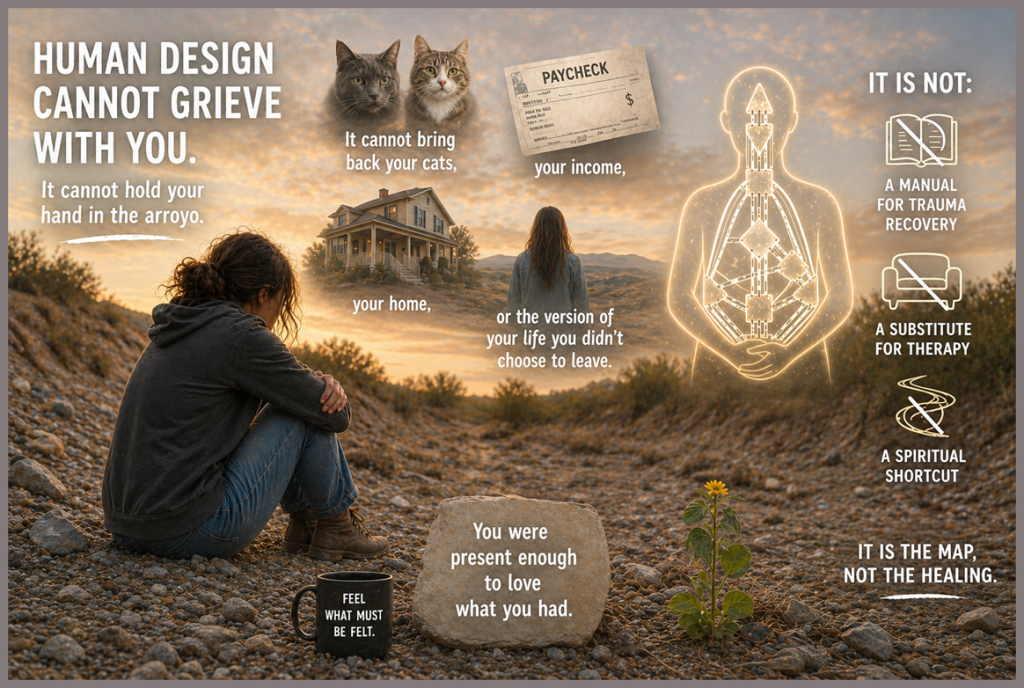
ASTROLOGY AND YOUR RIGHT CAREER

Astrology helps us find work that aligns with our strengths, talents, and motivations, whether we’re seeking a purposeful career or just a job. Examining a natal chart highlights the industries, environments, and roles in which we’re likely to succeed. Astrologers traditionally start with the 10th house to explore career paths, but is that enough?

It isn’t. While the 10th house and its ruler are important first steps, true career astrology considers the whole chart. The clearest picture emerges from examining houses, planetary aspects, elemental balance, and temperament.

Let’s identify the key astrological factors that offer a clearer picture of your ideal career.

The 10th House: The Public Stage

The 10th house is the most visible part of your chart. It represents your public life, achievements, and the role you play in society. The sign on the cusp of the 10th house describes the style and qualities you project in your career, while the planet ruling that sign offers clues about the themes of your professional life.

For example, a Capricorn Midheaven (MC) often thrives in structured environments with clear paths to advancement. At the same time, a Sagittarius MC might seek roles that involve travel, education, or the dissemination of ideas. If your MC ruler is in the 6th house, you may work in service-oriented professions; if it’s in the 2nd house, your work may be tied to finance, value creation, or tangible resources.

Yet, career satisfaction depends on a good fit with your day-to-day reality, not just the 10th house.

The 2nd and 6th Houses: Skills, Habits, and Livelihood

If the 10th house is about career goals and recognition, the 2nd house speaks to the skills and resources you have that will help to generate income. It also shows what you value, materially and otherwise, and where you can find financial stability. A Taurus 2nd house might point toward work involving beauty, art, or the senses, while a Gemini 2nd house could indicate income from writing, teaching, or communication.

The 6th house is your “daily work” sector—your routines, work ethic, and service orientation. It’s less about prestige and more about the day-to-day rhythm of your job. A strong 6th house placement often indicates fields where precision, skill, and reliability are highly valued—such as healthcare, administration, crafts, or technical work. The sign and planets located here reveal what kinds of tasks and environments keep you productive and engaged.

The Ascendant and First House: How You Engage with the World

Your Ascendant and the planets in the 1st house shape how you present yourself, and by extension, how others perceive you in professional settings. Someone with an Aries rising often does well in entrepreneurial or pioneering roles because they naturally initiate action. A Libra Ascendant might excel in public relations, law, or diplomacy, where charm and balance are key.

Your outward demeanor can either align seamlessly with your vocational path or, if it’s at odds with your career choice, lead to friction and dissatisfaction. Understanding your rising sign can help you choose work that aligns with your authentic self-expression.

The Sun, Moon, and Mercury: Core Identity, Emotional Needs, and Mental Style

While houses describe arenas of life, planets show what you bring to those arenas. The Sun reveals where you shine and the qualities you must express to feel vital. A Sun in Leo thrives on creativity, leadership, and visibility; in Virgo, the Sun finds fulfillment through service, analysis, and refinement.

The Moon is equally important—it governs emotional needs and your comfort zone. A Moon in Cancer might crave work that nurtures others, while a Moon in Aquarius could seek innovation, group involvement, and causes larger than the self. Ignoring the Moon’s needs often leads to burnout, even if the work “makes sense” on paper.

Mercury, the planet of communication and thinking, shows how you learn, process, and share information. A Mercury in Gemini thrives in fast-paced, varied environments, while Mercury in Capricorn prefers structure, long-term planning, and tangible outcomes.

Venus, Mars, and Jupiter: Motivation, Drive, and Opportunity

Mars shows how you assert yourself and pursue goals. Mars in Aries is direct and competitive, while Mars in Pisces might prefer behind-the-scenes roles or creative pursuits.

Venus points to what you enjoy and the kinds of relationships you foster in your work. Venus in Libra values harmony and aesthetics, while Venus in Taurus might be drawn to stable, tactile, and sensory-rich environments.

Jupiter is the planet of growth, opportunity, and expansion. It can point to industries or life paths that bring abundance. Jupiter in Sagittarius could flourish in education, travel, or publishing, while Jupiter in Scorpio might succeed in research, psychology, or finance.

Elemental and Modal Balance: Your Natural Work Energy

If your chart is strong in one element—fire, earth, air, or water—you’ll have certain natural preferences. People with lots of fire need excitement and inspiration at work. Those with earth-heavy charts tend to excel in practical, results-driven jobs. Air types excel in communication and networking, while water types are drawn to roles that involve helping, healing, and intuition.

The three modalities—cardinal, fixed, and mutable—also matter. Cardinal people like to start things, fixed people keep things going, and mutable people adapt to change. If you match your main style to the right kind of job, you’ll likely feel more satisfied at work.

Career Patterns in Aspect Configurations

Certain planetary aspects reveal strong vocational themes. For example:

    • Sun conjunct MC often indicates a person destined for leadership or public visibility.
    • Moon trine Venus can point toward careers in the arts, design, or hospitality.
    • Mars square Saturn might signal a career where discipline and persistence overcome initial obstacles.
    • Mercury conjunct Uranus may suggest technology, innovation, or unconventional problem-solving approaches.

These aspects add detail, showing how your strengths and challenges might show up at work. If you understand these patterns, you can see where you’re strong and where you might want to grow.

Beyond the Natal Chart: Timing and Career Cycles

Astrology also tracks your career through transits, progressions, and solar returns. Major outer planet transits often align with career changes, promotions, or new directions. Knowing these cycles helps you act at the right time, instead of forcing change or missing opportunities.

The Big Picture: Integrating All the Pieces

The 10th house is key in career astrology, but real insight comes from viewing your chart as a whole: values (2nd house), habits (6th house), public role (10th house), identity (Sun), needs (Moon), drive (Mars), and style (Ascendant). Astrology is most helpful when these are combined to guide career decisions.

Considering all these indicators together creates a career profile unique to you—a guide for choosing work that matches your strengths and fosters growth.

The best career is more than the work itself; it’s about finding meaning in what you do. Astrology gives tools for both practical and heartfelt choices. Following your chart means earning a living and honoring your true self.

Customized Written Astrology Report

Copyright © | Gloria Constantin | All Rights Reserved |

Need help or have questions? Contact Me

THE EVOLUTION OF HUMAN DESIGN: FROM MAP TO LIVING MANDALA

Human Design originated as a radical revelation and is evolving into an even more radical way of life. What arrived through Ra Uru Hu in 1987 as a synthesis of the I Ching, Kabbalah, the Chakra System, astrology, and quantum logic offered a mechanical map of consciousness, revealing how aura, body, and mind actually work beneath conditioning. But the system was never meant to stay on paper. It was seeded for a future in which we would live its mechanics from the inside out. That future has arrived.

A System Built for Mutation

From the start, Human Design told an uncomfortable truth: there is a way you are built to move through life, and it may not match how you were taught to perform. The system’s genius isn’t complexity for its own sake; it is depth with the ability to reveal reliable mechanics for decision-making, relating, creating, and leading.

And yet, Human Design is not a static doctrine. Any framework that claims to reflect reality must adapt as reality evolves. The transmission continues to unfold as we do. Each experimenter’s body becomes another laboratory, each deconditioning story another data stream. The map evolves because the travelers are evolving.

The 2027 Shift: From Mental Control to Emotional Intelligence

The most visible threshold is the Solar Plexus mutation associated with 2027, which is already underway. We are migrating from mental dominance to emotional awareness, from “figure it out” to “feel it through.” This shift is mirrored in the rise of somatic therapies, nervous-system literacy, and the cultural recognition that safety precedes strategy. We are not “doing Human Design” as a technique; we are becoming it as a baseline frequency.
Principle: Embodied authority transcends mental strategy. Wisdom arrives through attunement to the body’s intelligence.

From Strategy-as-Formula to You-as-Strategy

Early interpretations often treated charts as puzzles to be solved, with types, gates, lines, and channels viewed as the entire story. The new chapter is about the application of how you live. The conversation is moving from “follow the formula” to letting your nervous system set the blueprint. Strategy and Authority are instruments for tuning, not rules for obedience. When you are tuned, your presence is the strategy.

Variables and the Four Transformations: How Growth Actually Happens

The 4 Arrows, Digestion (PHS), Environment, Perspective, and Motivation, describe not only how you operate, but also how you mature. Transformation is not a belief system; it is a timed, layered, and experiential process. When you eat, learn, work, and rest in ways that respect these mechanics, magnetism becomes a by-product rather than a goal. You stop forcing outcomes and start amplifying coherence.

Deconditioning and Shadow: Power Buried in the Basement

Deepening practice has pushed Human Design beyond “know your type” into the terrain of shadow, inherited patterns, and the unconscious. We are not simply learning our definition; we are dismantling the false identity that encases it.

Reframe: Your shadow is not a mistake to fix. It is energy trapped in the wrong job. When released, it returns to service with vitality, clarity, and creative charge.

Intermodal Wisdom: When Systems Speak to Each Other

Human Design integrates beautifully with trauma-informed work, somatic psychology, polyvagal theory, Internal Family Systems, Gene Keys, astrology, and even quantum biology. Cross-pollination doesn’t dilute the system; it reveals the fuller pattern. A Projector’s chronic overwork may be both not-self and ancestral programming; resolving it somatically allows their signature to stabilize, not just conceptually but cellularly.

Principle: Wisdom systems are fractal; each one rhymes with the others. Integration multiplies insight.

Time as Initiation: Transits, Cycles, and Life Stages

As our literacy with transits grows, timing becomes initiatory rather than merely predictive. Saturn returns, Uranian shocks, and Chiron passages are more than astrological weather; they are gateways that call particular lines and gates in us to leadership. A sixth-line profile entering their third life stage doesn’t just know the script; they begin to inhabit it, guided by the gates currently pulsing their Bodygraph.

Principle: Time is non-linear. When you partner with your timing, growth becomes graceful.

Business and Manifestation: From Hustle to Frequency

The marketplace is evolving alongside us. Business built on borrowed tactics struggles in a frequency-first era. The new leverage is coherence.

    • We are shifting from hustle to resonance.
    • Marketing is shifting from persuasion to offerings that address genuine needs.
    • Manifestation becomes nervous-system coherence, emotional truth, and energetic integrity.
Energetic Hygiene: Clearing the Field

Beyond understanding the Not-Self lies energetic purification: disentangling aura, repairing boundaries, and unhooking from distortion.

A Manifestor’s aura is not a defense mechanism; it is a sanctum in which creative urges can arise uncorrupted. Ritual, rest, and clean agreements are not extras; they are maintenance for the instrument you are.

A Reflector’s aura, meanwhile, is the sacred mirror that amplifies and absorbs the world around them. Their purification comes through retreat, moon cycles, and pristine environments that allow their wisdom to reflect truth without distortion.

A Generator’s aura is open, enveloping, and magnetic; it is designed to draw life toward them. Their purification is found in presence and response: shedding the “shoulds” and coming home to what lights them up. When their sacral hums with satisfaction, they become a stabilizing force of energy and embodiment.

A Manifesting Generator’s aura shares that enveloping pull but moves faster, more pulsating, and nonlinear. Their purification is in permission: to pivot, to skip steps, to defy linear logic. When they stop apologizing for their speed and start honoring their skips, their energy becomes electric and liberating.

A Projector’s aura is focused and penetrating. It sees into systems, people, and potential. But without recognition and rest, that same focus can collapse into bitterness and burnout. Purification here is about releasing the need to prove, honoring their rhythm, and letting invitations find them. When they’re recognized for their wisdom, they guide with precision and elegance.

Principle: Clear the noise to hear the signal. Coherence is a practice.

Creative Emergence: Becoming the Transmission

The highest expression of Human Design is not interpretation but creation. Living your Design opens original paths: the Generator who builds a business by responding to micro-yeses, the Projector who architects a mentorship container that honors their cadence, the Manifesting Generator who prototypes fast and abandons faster without apology, the Reflector who becomes a wise barometer of alignment by curating their life through sensation and surprise, and the Manifestor who blazes untamed trails, initiating movements, ideas, and actions from an internal creative fire that needs no permission.

When you embody your configuration, your life stops mimicking and starts composing.

Principle: Your design is not a script to recite. It is an instrument to play. Let it sing through you.

Human Design as a Living Hologram

We are no longer asking, “Who am I?” so much as, “What wants to be lived through me?” As more of us align with Strategy and Authority, an emergent resonance field forms. From that field, new language and architecture arise, including fresh ways to educate, organize, heal, and lead. Human Design does not merely diagnose individuals; it offers templates for reimagining culture itself, from governance to education to economies that prioritize coherence over extraction.

What This Means for You (and What You’re Building)

    • Key takeaway: Embody your unique frequency. Let your nervous system set the pace and your Authority make the call for all decisions.
    • Key takeaway: Design from the inside out. Align offers, timelines, and partnerships with your actual mechanics for authentic results.
    • Key takeaway: Stop outsourcing power. Teachers and systems guide, but your body is the court of final appeal. Rely on your internal wisdom.
    • Key takeaway: Feel more, force less. Developing emotional literacy is essential for growth, not just an added skill.
    • Key takeaway: Iterate as you integrate. The system evolves as you do; let your business and relationships evolve in tandem with you.

Human Design began as a map. It is now a living mandala, dynamic, responsive, and co-created in real time. Its evolution is seen in you: in your choices, offers, boundaries, rest, timing, and the signal you broadcast.

Final takeaway: The system is not only evolving for you. It is evolving through you. It is your engagement and your striving to be authentic that shape Human Design itself.

Want to know how this evolution is reflected and expressed in your personal design? Send me your birth information. $27.

Use this link to purchase.

And if, after reading your report, you’d like a live space to ask questions, you can also book a 45-minute Integration Zoom Call with me. $57

Use this link to purchase.

Want to go deeper?
Book a complete Human Design reading and decode your blueprint to bring clarity, direction, and power back to your life and business.

© | Gloria Constantin | All Rights Reserved |

Need help or have questions? Contact Me

Translate »